







Metal fabrication stands as a cornerstone in the construction and manufacturing industry, offering unmatched strength and precision for a wide array of projects. This intricate process transforms metal into parts or structures through cutting, bending, and assembling techniques. From the bustling workshops in Norton, MA to the industrious factories of Taunton, MA, metal fabrication plays a pivotal role in building the backbone of our infrastructure. It’s a craft that combines innovation with tradition, ensuring that each creation is not only robust but also meticulously tailored to meet specific requirements.
The materials used in metal fabrication vary, ranging from steel and aluminum to copper and brass. Each material brings its unique properties to the table, making the selection process crucial for the success of a project. This diversity allows for a broad spectrum of applications, from automotive parts to architectural structures. Understanding the characteristics of these materials is key to harnessing their full potential in metal fabrication.
Project examples in metal fabrication are as diverse as the materials used. They can include anything from custom automotive components in Norton, MA, to intricate architectural metalwork in Taunton, MA. These projects showcase the versatility and adaptability of metal fabrication techniques. Whether it’s a small, personalized item or a large-scale structural framework, metal fabrication brings visions to life with precision and durability.
As we delve deeper into the world of metal fabrication, it’s clear that this field is essential for creating strong, precise builds that stand the test of time. The process not only requires a deep understanding of materials and techniques but also a creative approach to solving complex engineering challenges. With each project, metal fabricators in Norton, MA, and beyond push the boundaries of what’s possible, crafting solutions that are both functional and aesthetically pleasing.
The Basics of Metal Fabrication
Metal fabrication involves several key techniques that shape the industry. Cutting is one of the first steps, where fabricators use tools to slice through metal, creating the desired pieces. This method is precise, ensuring that each part fits perfectly in the final structure. Norton, MA, boasts skilled professionals who excel in this intricate process, contributing to the area’s reputation for quality craftsmanship.
Bending metal is another critical technique in metal fabrication. This process transforms flat sheets into shapes needed for various applications, from construction beams to automotive parts. Fabricators in Taunton, MA, leverage advanced machinery to bend metal accurately, maintaining the material’s integrity while achieving the necessary angles. Their expertise enables them to tackle complex projects with confidence.
Assembling is the final step, where the cut and bent pieces come together to form a complete structure. This stage often involves welding, bolting, or riveting, depending on the project’s requirements. It’s a testament to the fabricator’s skill to see separate pieces merge into a durable, cohesive unit. The precision in this phase is crucial for the overall success and longevity of the project.
Metal fabrication’s versatility is evident in its application across various sectors. Whether it’s creating parts for machinery or constructing architectural elements, the process adapts to meet specific needs. This adaptability, coupled with the expertise of fabricators in Norton, MA, and Taunton, MA, underscores the importance of metal fabrication in today’s world. It’s a field that continues to evolve, pushing the limits of what’s possible with metal.
Key Materials Used in Metal Fabrication
Metal fabrication relies heavily on the choice of materials, each selected for its specific properties to suit different project needs. In Norton, MA, fabricators often prefer steel for its strength and durability, making it ideal for heavy-duty structures. Aluminum, known for its lightweight and corrosion resistance, is another favorite, especially for automotive and aerospace applications. These materials ensure that every project not only meets but exceeds expectations in terms of performance and longevity.
The use of copper in metal fabrication is celebrated for its excellent electrical conductivity, making it a go-to material for electrical components. Fabricators in Taunton, MA, utilize copper’s unique qualities to produce parts that not only conduct electricity efficiently but also withstand various environmental conditions. Brass, an alloy of copper and zinc, offers a balance of workability and durability, favored for decorative elements and plumbing fixtures. These materials, with their distinct characteristics, broaden the scope of metal fabrication, enabling the creation of both functional and aesthetic components.
Understanding the properties of these materials is crucial for fabricators to manipulate them into the desired forms accurately. Steel’s ability to bear loads makes it perfect for structural frameworks, while aluminum’s malleability allows for intricate shapes without compromising strength. This knowledge ensures that each piece, whether cut, bent, or assembled, fits perfectly into its designated role within a larger structure. It’s this precision that defines the quality of metal fabrication projects in Norton, MA, and beyond.
The adaptability of metal fabrication is evident in the wide range of projects it supports, from architectural marvels to durable machinery parts. By selecting the right material, whether it’s steel for its robustness or brass for its aesthetics, fabricators can tailor their approach to meet specific project requirements. This versatility is what makes metal fabrication a key player in the construction and manufacturing industries, ensuring that each build is not only strong and precise but also perfectly suited to its intended purpose.
Metal Fabrication Techniques Explained
Metal fabrication techniques offer a glimpse into the transformative process of turning raw materials into functional objects. In Norton, MA, professionals use cutting-edge methods to ensure precision in every cut, bend, and weld. This meticulous attention to detail results in components that fit seamlessly into larger structures, showcasing the skill inherent in local craftsmanship. The process not only highlights the technical expertise required but also the creative problem-solving that goes into each project.
Bending metal, a technique pivotal to metal fabrication, allows for the creation of complex shapes and angles. Taunton, MA, fabricators excel in this area, using advanced machinery to manipulate metal without compromising its strength. This capability is essential for custom designs, where the integrity of the material must remain intact despite alterations. It demonstrates the balance between force and finesse, a hallmark of skilled metal fabrication.
Welding brings individual pieces together, forming a unified structure that’s both strong and durable. This phase of metal fabrication is critical, as it determines the longevity of the final product. Specialists in Norton, MA, apply their welding expertise with precision, ensuring that each joint is secure and capable of withstanding stress. Their work is a testament to the importance of quality assembly in metal fabrication.
Finally, the finishing touches in metal fabrication involve treatments and coatings that protect the metal and enhance its appearance. In Taunton, MA, fabricators apply these finishes with care, adding value to each piece through improved durability and aesthetic appeal. This step underscores the comprehensive nature of metal fabrication, where every detail, no matter how small, receives meticulous attention. It’s this thoroughness that makes metal fabrication essential for creating strong, precise builds.
Metal Fabrication Tools and Equipment
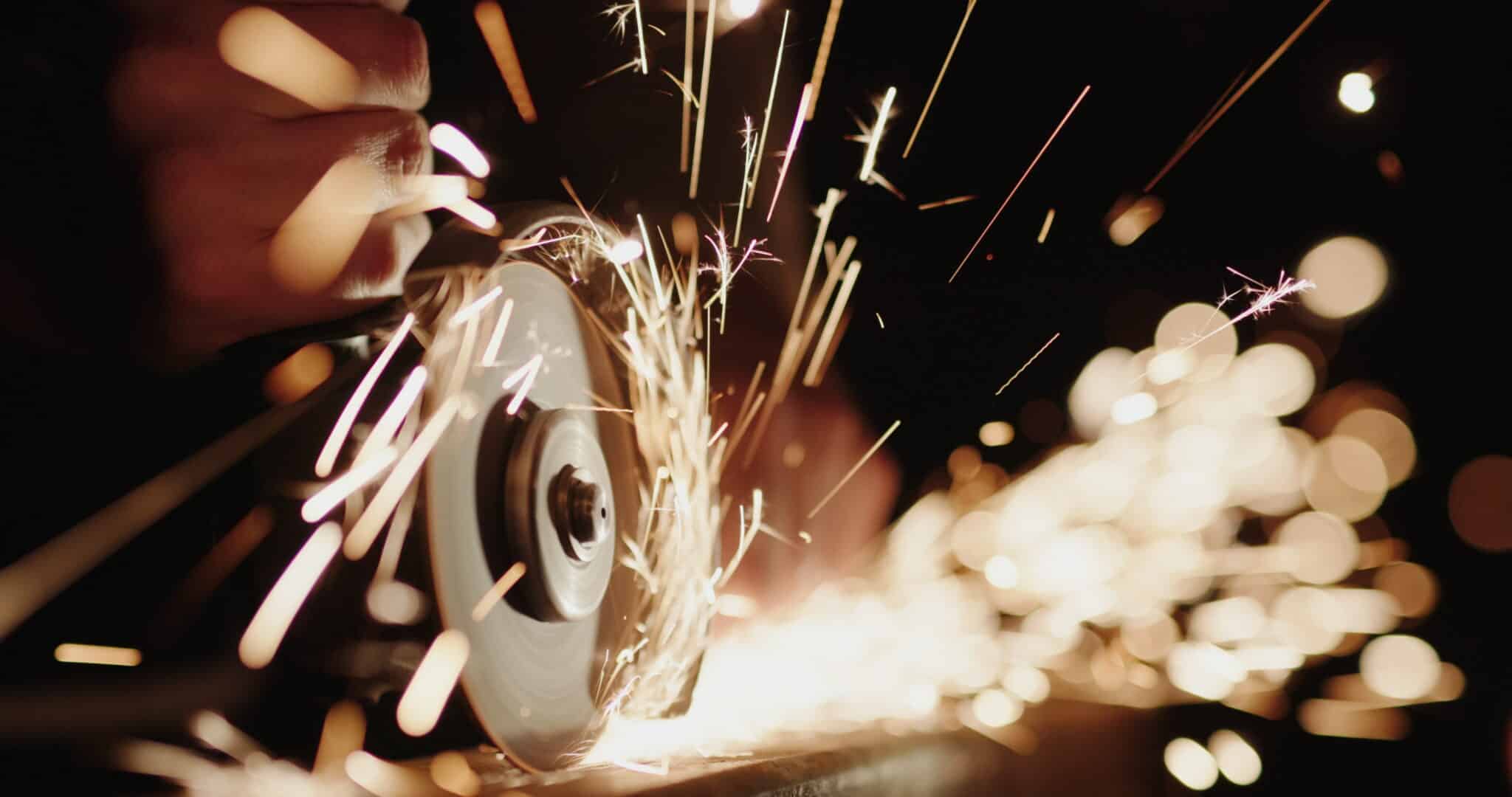
In the realm of metal fabrication, the tools and equipment used are as vital as the skills of the fabricators themselves. Norton, MA, boasts workshops equipped with state-of-the-art machinery that ensures every cut is precise and every bend meets the project’s specifications. These tools range from laser cutters for intricate designs to heavy-duty presses for shaping metal. Their use allows for a level of accuracy and efficiency that manual techniques cannot match, making them indispensable in modern metal fabrication.
Transitioning from cutting and shaping to the assembly phase, the role of advanced welding and joining equipment becomes apparent. In Taunton, MA, fabricators utilize sophisticated welding machines that facilitate strong, durable bonds between metal pieces. This equipment, capable of handling various welding techniques, is crucial for creating structures that are robust and long-lasting. The precision it offers ensures that every joint contributes to the overall integrity of the final product.
Beyond the assembly, the finishing equipment plays a pivotal role in metal fabrication, enhancing both the function and aesthetics of metal parts. This includes everything from sandblasting machines that prepare surfaces for painting to electroplating baths that apply protective coatings. These finishing processes not only improve the appearance of the metal but also protect it from corrosion and wear, extending the life of the fabricated structures.
Lastly, the evolution of digital technologies, such as computer-aided design (CAD) and computer numerical control (CNC) machines, has revolutionized metal fabrication. These tools allow fabricators to execute complex designs with unparalleled precision, transforming raw materials into sophisticated components and structures. The integration of these technologies in workshops across Norton, MA, and Taunton, MA, underscores the industry’s move towards greater efficiency and innovation, ensuring that metal fabrication remains at the forefront of manufacturing excellence.
Metal Fabrication for Plumbing and Heating Systems
Metal fabrication plays a crucial role in the plumbing and heating industry, where precision and durability are paramount. In Norton, MA, professionals use this process to create components that fit seamlessly within complex systems. These parts, ranging from pipes to brackets, ensure that heating and plumbing installations function efficiently. The expertise in metal fabrication allows for the production of items that withstand high pressure and temperature variations.
In the context of heating systems, metal fabrication contributes to the development of boilers, radiators, and other essential components. Fabricators in Taunton, MA, employ advanced techniques to mold metals into shapes that maximize heat distribution and energy efficiency. This process not only enhances the performance of heating systems but also extends their lifespan. By focusing on precision, fabricators ensure that each piece contributes to the overall effectiveness of the heating infrastructure.
For plumbing systems, the durability of fabricated metal parts is critical to preventing leaks and ensuring water purity. Metal fabrication provides the tools to create corrosion-resistant components, essential for maintaining the integrity of water supply systems. Through meticulous cutting, bending, and assembling, fabricators produce pipes and fittings that meet the strict standards of the plumbing industry. These efforts in Norton, MA, exemplify how metal fabrication supports the delivery of safe and reliable water to homes and businesses.
The synergy between metal fabrication and the plumbing and heating sectors highlights the importance of this craft in everyday life. By leveraging the strength and versatility of fabricated metal, professionals in Taunton, MA, and beyond help construct systems that keep environments comfortable and safe. The collaboration between skilled fabricators and industry experts ensures that the final products are not only functional but also durable, showcasing the pivotal role of metal fabrication in building efficient plumbing and heating systems.

Advantages of Metal Fabrication in Construction
Metal fabrication offers significant advantages in the construction sector, particularly in terms of creating structures that are both strong and adaptable. In Norton, MA, this process allows builders to work with a variety of materials, tailoring each project to meet specific needs and environmental conditions. The precision achievable through modern fabrication techniques ensures that every component fits together flawlessly, reducing the time and cost associated with construction projects. This efficiency is crucial for meeting tight deadlines and budgets, making metal fabrication a preferred choice for many developers.
Another key benefit is the durability of metal-fabricated structures. In Taunton, MA, construction projects benefit from the use of metals like steel and aluminum, which can withstand harsh weather conditions and heavy loads. This resilience extends the lifespan of buildings and reduces the need for frequent repairs, offering long-term savings to property owners. Furthermore, the strength of these materials supports the design of innovative structures that push the boundaries of architecture.
Metal fabrication also contributes to sustainability in construction. By allowing for precise cuts and minimal waste, fabricators ensure that resources are used efficiently. Moreover, many metal components can be recycled at the end of their life, reducing the environmental impact of construction projects. This aspect of metal fabrication aligns with the growing demand for green building practices, highlighting its role in creating eco-friendly structures.
Lastly, the versatility of metal fabrication opens up a world of design possibilities. Architects and designers can explore creative solutions that would be difficult to achieve with other materials, bringing their visionary projects to life. Whether it’s a complex geometric structure in Norton, MA, or a sleek, modern facade in Taunton, MA, metal fabrication provides the tools and techniques to realize even the most ambitious designs. This blend of form and function is what sets metal fabrication apart in the construction industry, making it a key element in the development of cutting-edge buildings.
Metal Fabrication Project Examples
Metal fabrication shines through in Norton, MA, where a local workshop recently completed an ambitious project, crafting a custom-made steel staircase for a commercial building. This project exemplified the precision and strength metal fabrication brings to architectural endeavors. The staircase not only serves a functional purpose but also stands as a piece of art, showcasing the versatility of metal in construction. Through meticulous cutting, bending, and welding, the fabricators turned a vision into reality, demonstrating the potential of metal to enhance structural design.
In Taunton, MA, a different project highlighted the role of metal fabrication in the automotive industry. A team of skilled fabricators was tasked with creating custom aluminum frames for high-performance vehicles. Their work exemplified how metal fabrication contributes to the automotive sector by providing lightweight yet strong components that improve vehicle efficiency and safety. The project underscored the importance of selecting the right material and technique to meet specific engineering requirements.
Another example of metal fabrication’s impact can be seen in the creation of outdoor sculptures that adorn public spaces in Norton, MA. These pieces, made from weather-resistant metals like stainless steel and copper, showcase the aesthetic possibilities of metal fabrication. Artists and fabricators collaborated closely, turning sheets of metal into stunning sculptures that withstand the elements. This project serves as a testament to the creative potential that metal fabrication offers, blending form and function in public art.
Lastly, the development of specialized machinery parts for the manufacturing industry in Taunton, MA, illustrates metal fabrication’s critical role in supporting local businesses. Precision-engineered components are essential for the smooth operation of complex machinery, and metal fabrication provides the accuracy and durability needed. Through projects like these, fabricators prove that their expertise is vital across various sectors, from art to industry, highlighting the broad applicability and importance of metal fabrication in modern society.
Choosing a Metal Fabrication Service
When looking for a metal fabrication service, it’s crucial to consider the provider’s experience and expertise. A company well-versed in handling a diverse range of materials and projects can offer invaluable insights and solutions tailored to your specific needs. Whether it’s a complex architectural structure in Norton, MA, or a precision-engineered component for manufacturing in Taunton, MA, the right service will ensure high-quality results that meet your expectations.
Another important factor is the technology and equipment used by the metal fabrication service. Advanced machinery and cutting-edge techniques contribute to the precision and efficiency of the fabrication process. This not only improves the overall quality of the finished product but also allows for the creation of intricate designs and structures that stand out in both functionality and aesthetics.
The turnaround time and cost-effectiveness of the service are also key considerations. A reliable metal fabrication service manages its resources and processes effectively to meet deadlines without compromising on quality. This efficiency is crucial for projects on a tight schedule or budget, ensuring that your project progresses smoothly from concept to completion.
Lastly, customer service and communication play a vital role in choosing a metal fabrication service. A company that listens to your needs and keeps you informed throughout the project fosters a collaborative environment. This approach ensures that the final product aligns with your vision, making the fabrication process a truly customized and satisfying experience.
Frequently Asked Questions
What is metal fabrication?
Metal fabrication is the process of creating objects from raw metal materials. It involves cutting, bending, and assembling to form precise structures. Skilled workers use various techniques to shape metal into desired forms. This method is essential for producing durable and strong builds in numerous industries.
How does metal fabrication ensure precision?
Metal fabrication uses advanced tools and technology to achieve high precision. Skilled technicians carefully measure and cut materials to exact specifications. Computer-aided design (CAD) software guides the process, ensuring accuracy. This meticulous approach results in perfectly tailored components for any project.
What materials are used in metal fabrication?
In metal fabrication, a wide range of materials is utilized to meet diverse project needs. Commonly, steel, aluminum, copper, and brass are chosen for their strength and versatility. Each material offers unique benefits, such as corrosion resistance or ease of shaping. This variety ensures that every fabrication task, from simple to complex, can be accomplished with precision and durability.
Can metal fabrication be customized?
Yes, metal fabrication offers extensive customization options to meet specific project requirements. By shaping metal into custom designs, fabricators can create unique pieces tailored to individual needs. This flexibility allows for the creation of bespoke components that fit precisely into any application. With skilled craftsmanship, any idea can be brought to life through the process of metal fabrication.
What are the costs of metal fabrication?
The cost of metal fabrication varies widely based on project complexity, materials used, and labor required. Generally, more intricate designs and high-quality materials increase the price. However, skilled fabricators can provide cost-effective solutions without compromising on strength or precision. Clients can receive detailed estimates to understand the financial aspects of their projects better.