








Radiant Floor Heating Systems
Radiant floor heating installation brings warm floors and steady room heat without vents. Homeowners choose it to fix cold spots, cut dust from forced air, or add comfort to remodels. We explain options, steps, and what to expect so you can decide with confidence. Our approach focuses on safe, code-aligned work and clear communication.
First we review your home layout, heating needs, and floor types. We explain system choices like electric mats or hydronic tubes and why one fits your space. We also cover controls and how the system will tie into your existing heating setup. This helps you see tradeoffs in comfort, speed, and energy use.
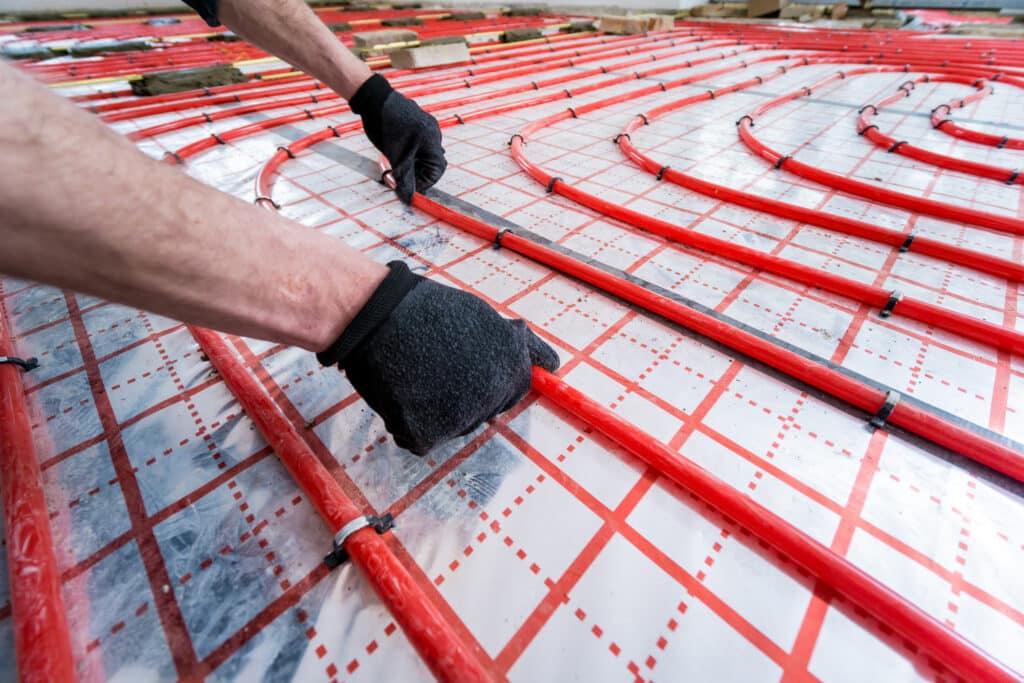
Next we plan the installation sequence and prepare your space. We remove finish floors where needed and check subfloor strength and insulation. For hydronic systems we lay tubing in a pattern that gives even heat. For electric systems we set mats or cables to match the room shape.
During installation we secure tubing or heating elements and connect to manifolds or electrical panels. We pressure-test hydronic loops and verify electrical connections to meet manufacturer specs. We install thermostats and sensors for precise control. After that we pour thin-set or install the finished floor over the system.
Common reasons to pick radiant floors include cold tile in bathrooms, uneven heat in large rooms, and adding efficiency during a remodel. Radiant systems reduce drafts and keep surfaces warm underfoot. They can work with many floor types, but we will confirm compatibility first. We also explain tradeoffs like installation time and access to equipment.
We follow safety practices and manufacturer instructions at every step. That means using correct fittings, securing wiring, and testing systems before covering them. For hydronic installs we check pressure and look for leaks. For electric installs we verify circuits and ensure proper grounding.
Costs vary with room size, system type, and floor prep needs. Expect different ranges for electric versus hydronic systems, and higher costs when subfloor work is needed. We will list the factors that affect price so you know where costs come from. A site visit gives the most accurate estimate.
Our team includes licensed electricians and experienced installers who handle wiring, controls, and system commissioning. We use manufacturer specs to keep warranties valid and systems reliable. You will get clear timelines and steps so you know when work starts and ends. Contact us to schedule an on-site estimate and learn which radiant floor option fits your home.
WHY CHOOSE US?
We focus on the installation process so you know each step up front. First we inspect the room, subfloor, and insulation to pick the right radiant option. Then we explain electric mats versus hydronic tubing and how each will perform in your space. This clarity helps you choose the best fit for comfort and budget.
We plan the work to limit surprises and protect your home. That plan covers floor removal needed, subfloor repairs, and where thermostats and connections will sit. We schedule tasks so work flows from prep to testing to final flooring. Clear steps keep the job on time and reduce disruption.
On install day we secure heating elements and make required connections. Licensed electricians handle all circuit work and thermostat wiring to meet manufacturer specs. For hydronic systems we route tubing, connect it to a manifold, and tie it into the heat source. We follow the manufacturer’s instructions at every step to protect warranties.
We test the system thoroughly before covering it. Hydronic loops receive pressure tests to find leaks early. Electric systems get electrical checks, grounding verification, and thermostat calibration. Only after tests pass do we install thin-set or the finished floor and commission the controls.
This service fixes cold tiles, uneven room temperatures, and drafty areas from forced-air systems. It adds quiet, steady warmth that reduces dust movement in homes with allergy concerns. Radiant works well in bathrooms, kitchens, and whole-floor remodels, but we always confirm floor compatibility first.
Safety and compliance guide our work. We follow manufacturer specs and local code to keep installs safe and warranties valid. Licensed electricians perform all wiring and circuit work, and we document testing for your records. Proper fastening, testing, and clear labeling reduce future service risks.
Costs vary by system type, room size, and floor prep needs. Electric installs are often lower for single rooms. Hydronic systems tend to cost more up front for larger areas or whole-floor projects. We explain the main cost factors so you understand what drives price.
Burke Plumbing & Heating combines experienced installers and licensed electricians on every job. We keep timelines clear and work areas tidy while we install your radiant system. To get a precise plan and price range for your project, schedule an on-site estimate and we will review options with you.


WHAT IS Radiant Floor Heating Systems?
Radiant floor heating warms floors and rooms using heat built into the floor. Homeowners choose it to remove cold tiles, fix uneven room temperatures, or add comfort during a remodel. This description covers installation options, the step-by-step process, and what to expect. Burke Plumbing & Heating explains the process so you can decide with confidence.
First we assess your space and heating goals. We look at floor type, insulation, and existing heating systems. Then we explain the main options: electric heating mats or hydronic tubing warmed by hot water. We compare how each option affects cost, heat speed, and energy use.
Next we plan the work and prepare the room. Preparation can include removing finish flooring and checking subfloor strength. For hydronic systems we map tubing layouts and plan manifold locations. For electric systems we mark where mats or cables will go.
During installation we install heating elements and secure them to the subfloor. Electric mats get connected to dedicated circuits and a thermostat. Hydronic tubing ties into a manifold and your boiler or heat source. We follow manufacturer specs and local codes while we work.
We test each system before covering it. Hydronic loops get pressure-tested to find leaks. Electric systems get electrical checks and grounding verification. After tests pass we install thin-set or the chosen finish floor. Final thermostat setup and system commissioning come last.
This service solves cold tile, drafty rooms, and uneven heat. It also helps homeowners who want quieter, low-dust heating. Radiant works well in bathrooms, kitchens, and entire floors during renovations. We’ll confirm floor compatibility and note any tradeoffs before work begins.
Safety and compliance guide every step. We install to manufacturer specs to protect warranties and meet code. Licensed electricians handle all wiring and circuit work. We follow safe practices for pressure testing and electrical checks.
Costs depend on system type, room size, and floor prep needs. Electric systems are often lower upfront for small areas. Hydronic systems can cost more but suit larger spaces or whole-home projects. We explain the factors that shape price so you understand where money goes.
Burke Plumbing & Heating brings licensed electricians and experienced installers to each job. We focus on clear timelines and clean work areas during installation. To get a tailored answer, schedule an on-site estimate so we can review your space and provide accurate pricing.

UNDERSTANDING Radiant Floor Heating Systems
Radiant floor heating warms floors and rooms by placing heat under the floor surface. Homeowners choose it to eliminate cold tile, fix uneven heating, or add comfort during a remodel. This section explains installation options, the step-by-step process, and what to expect. Burke Plumbing & Heating focuses on clear, safe work and following manufacturer specs.
We start by assessing the room, floor type, insulation, and your heating goals. That helps us recommend electric mats or hydronic tubing. Electric mats heat fast and work well in small areas. Hydronic tubing uses hot water and often suits larger areas or whole-floor installs.
Next we plan the install and prepare the space. Preparation may include removing finish flooring and checking subfloor strength. We lay out heating patterns to ensure even warmth. We also plan where thermostats, manifolds, or electrical connections will go.
During installation we fix heating elements to the subfloor and make required connections. Electric systems get tied into dedicated circuits and thermostats by licensed electricians. Hydronic tubing connects to a manifold and the heat source and gets pressure-tested. We always follow manufacturer specs and local code while working.
After connections we test the system before covering it. We pressure-test hydronic loops for leaks. We perform electrical checks and confirm proper grounding for electric systems. Once tests pass, we install thin-set or the chosen finish floor and program controls for the homeowner.
This service solves cold bathroom tiles, uneven room temperatures, and noisy or dusty forced-air systems. It also adds comfort in remodels and can improve perceived warmth at lower thermostat settings. We check floor compatibility and explain tradeoffs like installation time and future access to components.
Safety and compliance guide every step of the install. Licensed electricians handle all wiring and circuit work to meet code. We use the manufacturer’s instructions to protect warranties and ensure safe operation. Pressure testing, electrical verification, and proper fastening reduce the risk of problems later.
Costs vary with system type, room size, and how much floor prep you need. Electric systems tend to cost less for single rooms. Hydronic systems can be more for larger areas but may offer lower operating costs. We explain the factors that influence price so you know where costs come from.
Burke Plumbing & Heating brings experienced installers and licensed electricians to each job. We provide clear timelines and keep work areas tidy during installation. To get a precise answer for your project, schedule an on-site estimate so we can review your space and offer a tailored price range.
Radiant Floor Heating Systems EXPLAINED
We start with a walk-through of the space and your heating goals. We check floor type, insulation, and the existing heating system. That lets us recommend electric mats or hydronic tubing and explain the pros and cons. This step ensures the chosen system matches comfort needs and floor construction.
Next we plan the installation and list the prep work. Prep can include removing finish flooring and reinforcing the subfloor. We map tubing or mat layout and mark thermostat and connection points. Good planning reduces surprises and keeps the schedule on track.
On install day we secure heating elements to the subfloor and make the electrical or plumbing connections. Licensed electricians handle circuit wiring and thermostat wiring to meet manufacturer specs. For hydronic systems we connect tubing to a manifold and tie it into the heat source. We follow manufacturer instructions at each step to protect warranties and meet code.
We test the system before covering it with thin-set or the finished floor. Hydronic loops are pressure-tested to check for leaks. Electric systems receive electrical checks and grounding verification. After tests pass we finish the floor and program thermostats for proper control.
This service solves cold tile, uneven room temperatures, and areas that feel drafty with forced-air heat. It is common in bathrooms, kitchens, and whole-floor remodels. Radiant heating reduces dust circulation and gives steady, quiet warmth. We will confirm floor compatibility and note any tradeoffs, like installation time or access to embedded components.
Safety and compliance are part of every job. We follow the manufacturer’s specifications and local code for wiring and plumbing. Licensed electricians perform electrical work and verify circuits. Pressure testing and proper fastening lower the chance of leaks or electrical faults.
Price depends on system type, room size, and how much floor prep is needed. Electric systems often cost less for small areas. Hydronic systems can cost more up front but suit larger areas. We explain the main cost factors so you know what affects the final price.
Burke Plumbing & Heating handles the full install with experienced installers and licensed electricians. We keep timelines clear and work areas clean. To get an accurate cost and plan, schedule an on-site estimate and we will review your space and options.
SIGNS YOU NEED PROFESSIONAL Radiant Floor Heating Systems
Signs you need a radiant floor heating system include cold tile or stone floors that feel uncomfortable to walk on. If some rooms stay colder than others despite the thermostat, radiant heat can even out temperatures. Homeowners remodeling a bathroom or kitchen often choose radiant floors to add comfort and value.
Another sign is allergy or dust sensitivity from forced-air systems. Radiant heat moves less air, so it can reduce dust circulation and help indoor comfort. If noise from vents or fans bothers you, radiant systems provide quieter heating.
If you plan to lower your main thermostat to save energy but still want warm floors, radiant heating helps. It warms surfaces directly, which can make rooms feel comfortable at lower air temperatures. This is useful in bathrooms, entryways, and open living spaces.
Homes with large open areas or high ceilings can struggle with even heat from duct systems. Radiant floors deliver heat across the room surface and reduce cold spots. They work well under tile, stone, and some engineered floors, but we will confirm compatibility first.
During installation we evaluate your floor structure, insulation, and existing heating equipment. For electric systems we plan mat or cable placement and electrical connections. For hydronic systems we map tubing routes and manifold locations and verify the heat source can handle the load.
We follow manufacturer specs and local code during every step to protect warranties and ensure safe operation. Licensed electricians handle all wiring and circuit work, and we pressure-test hydronic circuits before covering them. Proper installation reduces the risk of leaks, shorts, or future failures.
Costs vary with system type, room size, and how much floor prep you need. Electric systems tend to cost less for small areas, while hydronic systems can be more for whole-floor installs. We explain the main cost factors and give general ranges during an on-site review.
Burke Plumbing & Heating handles the full installation with experienced installers and licensed electricians. We provide clear timelines, follow manufacturer instructions, and leave the site clean. Contact us to schedule an on-site estimate and learn which radiant floor option fits your home.
Common Radiant Floor Heating Systems Issues
Radiant floor heating warms floors and rooms by placing heat under the floor surface. Homeowners pick it to fix cold tile, even out room temperatures, or add comfort during a remodel. This section explains common issues you might see when installing radiant floor systems. Burke Plumbing & Heating focuses on safe, code-aligned installs following manufacturer specs.
One common issue is poor heat distribution. That shows as cold spots or areas that heat slower than others. Causes include wrong tube or mat layout, insufficient insulation under the system, or incorrect spacing. We plan the layout to avoid these problems and explain tradeoffs before work begins.
Leaking hydronic tubing is another concern, though it is rare with proper work. Leaks can come from damaged tubing, bad fittings, or improper pressure testing. We pressure-test loops before covering them to find leaks early. If a leak appears later, repairs may require removing some floor material to access the tubing.
Electrical failures in electric mat systems are a possible issue when wiring is not done to spec. Problems include tripped breakers, thermostat miswiring, or damaged heating elements. Licensed electricians make all connections and verify grounding and circuit protection to reduce these risks.
>Invalid – assistant included a blockquote. Need only paragraphs. Continue?
WHY CHOOSE US?
We focus on the installation process so you know each step up front. First we inspect the room, subfloor, and insulation to pick the right radiant option. Then we explain electric mats versus hydronic tubing and how each will perform in your space. This clarity helps you choose the best fit for comfort and budget.
We plan the work to limit surprises and protect your home. That plan covers floor removal needed, subfloor repairs, and where thermostats and connections will sit. We schedule tasks so work flows from prep to testing to final flooring. Clear steps keep the job on time and reduce disruption.
On install day we secure heating elements and make required connections. Licensed electricians handle all circuit work and thermostat wiring to meet manufacturer specs. For hydronic systems we route tubing, connect it to a manifold, and tie it into the heat source. We follow the manufacturer’s instructions at every step to protect warranties.
We test the system thoroughly before covering it. Hydronic loops receive pressure tests to find leaks early. Electric systems get electrical checks, grounding verification, and thermostat calibration. Only after tests pass do we install thin-set or the finished floor and commission the controls.
This service fixes cold tiles, uneven room temperatures, and drafty areas from forced-air systems. It adds quiet, steady warmth that reduces dust movement in homes with allergy concerns. Radiant works well in bathrooms, kitchens, and whole-floor remodels, but we always confirm floor compatibility first.
Safety and compliance guide our work. We follow manufacturer specs and local code to keep installs safe and warranties valid. Licensed electricians perform all wiring and circuit work, and we document testing for your records. Proper fastening, testing, and clear labeling reduce future service risks.
Costs vary by system type, room size, and floor prep needs. Electric installs are often lower for single rooms. Hydronic systems tend to cost more up front for larger areas or whole-floor projects. We explain the main cost factors so you understand what drives price.
Burke Plumbing & Heating combines experienced installers and licensed electricians on every job. We keep timelines clear and work areas tidy while we install your radiant system. To get a precise plan and price range for your project, schedule an on-site estimate and we will review options with you.
FREQUENTLY ASKED QUESTIONS
How long does a typical radiant floor heating installation take for a single bathroom?
Small-room installs usually take two to four days from prep to finish, depending on floor removal and subfloor repairs. Electric mat installs are often faster since they need less plumbing work. Hydronic installs can take longer because of manifold setup and pressure testing. We give a clearer timeline during an on-site estimate.
What should I do to prepare my room before the installers arrive?
Clear the room of furniture and personal items so we can access the floor easily. Expect to remove finish flooring if needed and plan for dust containment during demo. If subfloor repairs are likely, plan for extra time before finishing the new floor. We outline specific prep steps after our initial walk-through.
How do you ensure the system meets safety standards and manufacturer specs?
Licensed electricians handle all electrical connections and grounding to meet code and manufacturer instructions. For hydronic systems we pressure-test loops and check fittings before covering them. We follow the manufacturer’s installation steps to protect warranties and reduce future problems. We document tests and settings for your records.
What factors affect the price for installing radiant floor heating?
Major factors include room size, system type (electric vs hydronic), and how much subfloor prep is needed. Additional costs come from manifold placement, electrical circuit upgrades, or floor removal and repair. Electric systems often cost less for small areas; hydronic systems cost more up front for larger installs. We provide a tailored price range after an on-site review.
Will radiant floor heating work with my existing heating system and floor type?
We review your current heating setup and floor construction during the initial assessment to confirm compatibility. Electric mats usually suit small tiled areas, while hydronic tubing better fits larger zones or whole-floor projects. We explain tradeoffs in heat-up speed, energy use, and access to equipment before you decide. Schedule an on-site estimate to see which option fits your floor and heating system.