






HVAC System Inspections
We inspect HVAC electrical systems to make sure your heating and cooling equipment works safely and efficiently. Our licensed electricians follow the manufacturer’s specs and industry steps. We focus on the electrical parts that affect system performance and home safety.
Common issues we find include loose wiring, worn connectors, tripped breakers, and improper control wiring. These problems can cause short cycling, failed starts, blown fuses, and unsafe conditions. An inspection helps spot them before they cause bigger damage.
During the inspection we check power supply, fuses, breakers, contactors, relays, and control wiring. We test voltage and continuity with calibrated tools. We also review clearances, grounding, and visible signs of wear or overheating.
We follow the manufacturer’s specs for each unit. That keeps warranties valid and systems reliable. We note any deviations and explain repair or upgrade options clearly.
For safety we shut power before touching wiring and use lockout procedures when needed. We wear protective gear and test circuits before work. If we find an urgent hazard, we stop work and explain next steps.
Typical reasons to schedule an inspection include new HVAC installs, odd noises, frequent trips, or seasonal tune-ups. Inspections also help when you buy or sell a property or after a storm. We tailor the check to your system and your needs.
Costs vary with system size, accessibility, and testing needs. We explain what affects price, such as multi-stage systems, rooftop units, or extra testing. We give a clear estimate before any work starts.
Our team has years of field experience working with residential and light commercial HVAC electrical systems. We explain findings in plain language and show photos when helpful. Contact us for an estimate and to set an inspection appointment.
WHY CHOOSE US?
We inspect HVAC electrical systems to ensure your heating and cooling equipment runs safely and reliably. Our licensed electricians follow the manufacturer’s specs and proven, step-by-step checks. We focus on the electrical parts that affect system performance, reliability, and home safety.
Common problems we find include loose wiring, worn connectors, tripped breakers, and incorrect control wiring. Those faults can cause failed starts, short cycling, blown fuses, or unsafe conditions. An inspection catches problems early and prevents bigger damage.
During the inspection we check the power supply, fuses, breakers, contactors, relays, and thermostat wiring. We test voltage and continuity with calibrated tools and inspect grounding and clearances. We also look for overheating, corrosion, and physical damage.
We follow each unit’s manufacturer’s specs to protect warranties and ensure proper operation. If we find deviations, we explain repair or upgrade options in plain language. You get clear choices and straightforward next steps.
For safety we shut power before touching wiring and use lockout procedures when needed. We wear protective gear and test circuits before work. If we find an urgent hazard, we stop work and explain safe short-term steps and long-term fixes.
Typical reasons to schedule an inspection include a new HVAC install, odd noises, frequent breaker trips, or a seasonal tune-up. Inspections also help before a sale or after storm damage. We tailor the check to your system and your needs.
Costs vary with system size, accessibility, and how much testing is required. Factors that affect price include multi-stage controls, rooftop units, and additional diagnostic testing. We provide a clear estimate up front and explain what the price covers.
Our team brings years of hands-on experience with residential and light commercial HVAC electrical work. We explain findings in plain language and document issues with photos when helpful. Contact Burke Plumbing & Heating for an estimate and to schedule your HVAC system inspection.


WHAT IS HVAC System Inspections?
We inspect HVAC electrical systems to make sure your heating and cooling equipment works safely and efficiently. Our licensed electricians follow the manufacturer’s specs and proven steps. We focus on the electrical parts that affect performance, reliability, and safety.
Common problems we find include loose wiring, worn connectors, tripped breakers, and incorrect control wiring. These issues can cause failed starts, short cycling, blown fuses, or unsafe conditions. An inspection catches them before they cause larger damage.
During an inspection we check power supply, fuses, breakers, contactors, relays, and control wiring. We test voltage and continuity with calibrated tools and review grounding and clearances. We also look for signs of overheating, corrosion, or physical damage.
We follow the manufacturer’s specs for each unit to protect warranties and ensure proper function. When we see deviations, we note them and explain repair or upgrade options in plain language. You get clear choices and next steps.
For safety we shut power before touching wiring and use lockout procedures when needed. We wear protective gear and test circuits before work. If we find an urgent hazard, we stop and explain safe short-term steps and long-term fixes.
Typical reasons to schedule an inspection include a new HVAC install, odd noises, frequent breaker trips, or a seasonal tune-up. Inspections also help before a property sale or after a storm. We tailor each check to your system type and needs.
Costs vary by system size, accessibility, and testing needs. Factors that affect price include multi-stage systems, rooftop units, and any extra diagnostic testing. We provide a clear estimate before starting any work and explain what the price covers.
Our team brings years of hands-on experience with residential and light commercial HVAC electrical work. We explain findings in plain language and show photos when helpful. Contact us for an estimate and to schedule an HVAC system inspection.
UNDERSTANDING HVAC System Inspections
We inspect HVAC electrical systems to ensure your heating and cooling equipment runs safely and reliably. Our licensed electricians follow the manufacturer’s specs and proven steps. We focus on the electrical parts that affect performance and home safety.
Common problems we find include loose wiring, worn connectors, tripped breakers, and incorrect control wiring. These faults can cause failed starts, frequent cycling, blown fuses, or unsafe conditions. Catching them early prevents bigger damage and higher bills.
During an inspection we check the power supply, fuses, breakers, contactors, relays, and control wiring. We test voltage and continuity with calibrated tools and inspect grounding and clearances. We also look for signs of overheating, corrosion, or physical damage.
We follow the manufacturer’s specs for each unit to protect warranties and ensure proper operation. When we note deviations, we explain repair or upgrade options in plain language. You get clear choices and straightforward next steps.
For safety we shut power before touching wiring and use lockout procedures when needed. We wear protective gear and test circuits before work. If we find an urgent hazard, we stop work and explain temporary safety measures and long-term fixes.
People schedule inspections after a new HVAC install, when they hear odd noises, or when breakers trip often. Inspections also help before a sale or after storm damage. We tailor the check to your system type and your needs.
Costs vary with system size, accessibility, and how much testing is needed. Factors that affect price include multi-stage systems, rooftop units, and extra diagnostic testing. We provide a clear estimate up front and explain what the price covers.
Our team brings years of hands-on experience with residential and light commercial HVAC electrical work. We explain findings in plain language and document issues with photos when helpful. Contact Burke Plumbing & Heating for an estimate and to schedule an HVAC system inspection.
HVAC System Inspections EXPLAINED
We inspect HVAC electrical systems to ensure your heating and cooling equipment runs safely and reliably. Our licensed electricians follow the manufacturer’s specs and proven steps. We focus on electrical parts that affect performance and home safety.
Common problems we find include loose wiring, worn connectors, tripped breakers, and incorrect control wiring. These issues can cause failed starts, frequent cycling, blown fuses, or unsafe conditions. Finding them early prevents bigger damage and higher bills.
During an inspection we check the power supply, fuses, breakers, contactors, relays, and control wiring. We test voltage and continuity with calibrated tools and inspect grounding and clearances. We also look for overheating, corrosion, and physical damage.
We follow each unit’s manufacturer’s specs to protect warranties and ensure proper operation. When we note deviations, we explain repair or upgrade options in plain language. You get clear choices and straightforward next steps.
For safety we shut power before touching wiring and use lockout procedures when needed. We wear protective gear and test circuits before work. If we find an urgent hazard, we stop and explain temporary safety steps and long-term fixes.
People schedule inspections after a new HVAC install, when they hear odd noises, or when breakers trip often. Inspections also help before a sale or after storm damage. We tailor the check to your system and your needs.
Costs vary with system size, accessibility, and how much testing is needed. Factors that affect price include multi-stage systems, rooftop units, and extra diagnostic testing. We provide a clear estimate up front and explain what the price covers.
Our team brings years of hands-on experience with residential and light commercial HVAC electrical work. We explain findings in plain language and document issues with photos when helpful. Contact Burke Plumbing & Heating for an estimate and to schedule your HVAC system inspection.
SIGNS YOU NEED PROFESSIONAL HVAC System Inspections
We inspect HVAC electrical systems to ensure your heating and cooling equipment runs safely and reliably. Our licensed electricians follow the manufacturer’s specs and simple, proven steps. We focus on the electrical parts that affect system performance and home safety.
Common problems we find include loose wiring, worn connectors, tripped breakers, and incorrect control wiring. These faults can cause failed starts, frequent cycling, blown fuses, or unsafe conditions. Finding them early prevents bigger damage and higher energy bills.
During an inspection we check the power supply, fuses, breakers, contactors, relays, and control wiring. We test voltage and continuity with calibrated tools and inspect grounding and clearances. We also look for signs of overheating, corrosion, or physical damage.
We follow each unit’s manufacturer’s specs to protect warranties and ensure proper operation. When we note deviations, we explain repair or upgrade options in plain language. You get clear choices and straightforward next steps.
For safety we shut power before touching wiring and use lockout procedures when needed. We wear protective gear and test circuits before work. If we find an urgent hazard, we stop and explain temporary safety steps and long-term fixes.
People schedule inspections after a new HVAC install, when they hear odd noises, or when breakers trip often. Inspections also help before a property sale or after storm damage. We tailor each check to your system type and your needs.
Costs vary with system size, accessibility, and how much testing the job needs. Factors that affect price include multi-stage controls, rooftop units, and extra diagnostic testing. We provide a clear estimate up front and explain what the price covers.
Our team brings years of hands-on experience with residential and light commercial HVAC electrical work. We explain findings in plain language and show photos when helpful. Contact Burke Plumbing & Heating for an estimate and to schedule your HVAC system inspection.
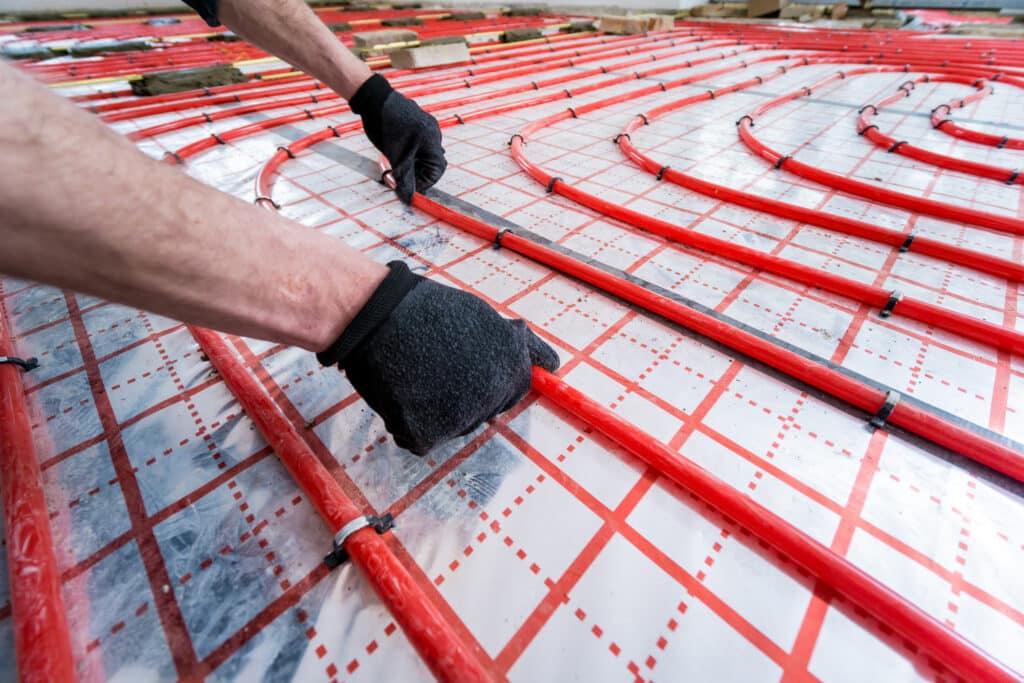
Common HVAC System Inspections Issues
We inspect HVAC electrical systems to ensure your heating and cooling equipment runs safely and reliably. Our licensed electricians follow the manufacturer’s specs and simple, proven steps. We focus on the electrical parts that affect system performance and home safety.
Common problems we find include loose wiring, worn connectors, tripped breakers, and incorrect control wiring. These faults can cause failed starts, frequent cycling, blown fuses, or unsafe conditions. Finding them early prevents bigger damage and higher energy bills.
During an inspection we check the power supply, fuses, breakers, contactors, relays, and control wiring. We test voltage and continuity with calibrated tools and inspect grounding and clearances. We also look for signs of overheating, corrosion, or physical damage.
We follow each unit’s manufacturer’s specs to protect warranties and ensure proper operation. When we note deviations, we explain repair or upgrade options in plain language. You get clear choices and straightforward next steps.
For safety we shut power before touching wiring and use lockout procedures when needed. We wear protective gear and test circuits before work. If we find an urgent hazard, we stop and explain temporary safety steps and long-term fixes.
People schedule inspections after a new HVAC install, when they hear odd noises, or when breakers trip often. Inspections also help before a property sale or after storm damage. We tailor each check to your system type and your needs.
Costs vary with system size, accessibility, and how much testing the job needs. Factors that affect price include multi-stage controls, rooftop units, and extra diagnostic testing. We provide a clear estimate up front and explain what the price covers.
Our team brings years of hands-on experience with residential and light commercial HVAC electrical work. We explain findings in plain language and show photos when helpful. Contact Burke Plumbing & Heating for an estimate and to schedule your HVAC system inspection.
WHY CHOOSE US?
We inspect HVAC electrical systems to ensure your heating and cooling equipment runs safely and reliably. Our licensed electricians follow the manufacturer’s specs and proven, step-by-step checks. We focus on the electrical parts that affect system performance, reliability, and home safety.
Common problems we find include loose wiring, worn connectors, tripped breakers, and incorrect control wiring. Those faults can cause failed starts, short cycling, blown fuses, or unsafe conditions. An inspection catches problems early and prevents bigger damage.
During the inspection we check the power supply, fuses, breakers, contactors, relays, and thermostat wiring. We test voltage and continuity with calibrated tools and inspect grounding and clearances. We also look for overheating, corrosion, and physical damage.
We follow each unit’s manufacturer’s specs to protect warranties and ensure proper operation. If we find deviations, we explain repair or upgrade options in plain language. You get clear choices and straightforward next steps.
For safety we shut power before touching wiring and use lockout procedures when needed. We wear protective gear and test circuits before work. If we find an urgent hazard, we stop work and explain safe short-term steps and long-term fixes.
Typical reasons to schedule an inspection include a new HVAC install, odd noises, frequent breaker trips, or a seasonal tune-up. Inspections also help before a sale or after storm damage. We tailor the check to your system and your needs.
Costs vary with system size, accessibility, and how much testing is required. Factors that affect price include multi-stage controls, rooftop units, and additional diagnostic testing. We provide a clear estimate up front and explain what the price covers.
Our team brings years of hands-on experience with residential and light commercial HVAC electrical work. We explain findings in plain language and document issues with photos when helpful. Contact Burke Plumbing & Heating for an estimate and to schedule your HVAC system inspection.
FREQUENTLY ASKED QUESTIONS
What does an HVAC electrical inspection include?
We check the power supply, fuses, breakers, contactors, relays, and control wiring. We test voltage and continuity with calibrated tools and inspect grounding and clearances. We also look for signs of overheating, corrosion, or physical damage. Results include plain-language findings and recommended next steps.
Why should I schedule an inspection after a new HVAC installation?
An inspection confirms the electrical work follows the manufacturer’s specs and industry steps. This protects warranties and ensures reliable startup and operation. It also finds wiring or control issues before they cause failures. We provide a clear estimate and timeline before work begins.
How do you handle safety and urgent hazards during the inspection?
We shut power before touching wiring and use lockout procedures when needed. Technicians wear protective gear and test circuits before work. If we find an urgent hazard, we stop and explain safe short-term steps and long-term fixes. We document hazards and prioritize repairs for safety.
What factors affect the price of an HVAC electrical inspection?
Cost depends on system size, accessibility, and how much testing we need to perform. Multi-stage systems, rooftop units, and extra diagnostic tests raise the effort involved. We explain which factors influence price and provide a clear estimate up front. No work proceeds without your approval.
How should I prepare my home or business before the inspection?
Please make the unit and electrical panel area accessible and clear of obstructions. Note any recent issues like odd noises, frequent breaker trips, or failed starts. Have thermostat settings and installation details available if you can. We’ll confirm an appointment time and provide an estimate when you contact us.