








Zoning Systems Maintenance
<pZoning systems keep different parts of a building at different temperatures. Regular maintenance makes those systems run smoothly. Homeowners and building managers use zoning maintenance to avoid hot or cold spots and to cut energy waste.
<pRoutine service catches problems before they cause failures. Technicians check dampers, actuators, thermostats, and control wiring. They clean moving parts, test response times, and recalibrate controls to match manufacturer specs. This prevents stuck dampers and uneven airflow.<pA common sign you need zoning maintenance is uneven temperatures between rooms. Other signs include unusual noises from vents, short cycling of the HVAC system, and zones that never reach the set temperature. These issues often stem from stuck dampers, worn actuators, or poor thermostat calibration.<pDuring a typical visit, a licensed electrician inspects electrical components and controls first. They test power to actuators and zone controls and verify signal paths. Then they operate each damper to confirm smooth movement and correct position. They finish by documenting findings and recommending any repairs or replacements.<pSafety is central to our process. Technicians work with power off when possible and follow manufacturer installation and service instructions. We avoid modifying control wiring without testing and follow safe ladder and workspace practices. This reduces risk to people and to the equipment.<pMaintenance frequency depends on system age and use. Many systems benefit from annual checks, while older or heavily used systems may need service twice a year. Regular checks extend component life and improve comfort and efficiency. We explain the schedule that fits each system and budget.<pCost varies with system size, access, and parts condition. Factors include number of zones, type of controls, and whether actuators or thermostats need replacement. We provide a clear estimate after inspection and before any work starts. Typical ranges are available on request to help plan your budget.<pOur technicians bring years of electrical and HVAC experience and follow manufacturer specs for safety and performance. We show you what we found and explain any recommended repairs in plain language. If you want a tailored estimate, we can schedule an inspection and provide one without pressure.
WHY CHOOSE US?
Zoning systems split a building into separate temperature areas. Regular maintenance keeps those zones working as intended. Homeowners and building managers use zoning maintenance to prevent hot and cold spots and to reduce energy waste.
Routine maintenance catches small problems before they grow. Technicians inspect dampers, actuators, thermostats, and control wiring. They clean moving parts, test response times, and recalibrate controls to match manufacturer specs. These steps keep airflow balanced and systems efficient.
Common signs you need zoning maintenance include rooms that stay too hot or too cold and vents that make noise. Short cycling of the HVAC unit and zones that never reach the set temperature also point to trouble. Those symptoms often come from stuck dampers, worn actuators, or poor thermostat calibration.
During a typical maintenance visit, a licensed electrician checks electrical components and control connections first. They test power to actuators and the zone control panel and verify signal paths. Then they operate each damper to confirm smooth motion and correct positioning. The visit ends with written findings and clear recommendations.
Maintenance follows manufacturer specs to keep systems safe and compliant. Technicians work with power off when possible and avoid changing wiring without testing. They use safe ladder and workspace practices to protect people and equipment. Following maker instructions helps preserve warranties and performance.
How often to service a system depends on age and use. Many systems do well with an annual check; older or heavily used systems may need service twice a year. Regular checks extend component life and keep indoor comfort steady. A technician can recommend a schedule that fits your system and budget.
Cost depends on the number of zones, type of controls, ease of access, and condition of parts. Factors include whether actuators, dampers, or thermostats need replacement. Burke Plumbing & Heating provides a clear estimate after inspection and before any work begins. General price ranges are available on request to help plan your budget.
Our technicians bring years of electrical control experience and follow manufacturer specs on every job. We explain findings in plain language and show any worn parts. If you would like a tailored estimate, we can schedule an inspection and provide one without pressure.


WHAT IS Zoning Systems Maintenance?
Zoning systems divide a building into separate temperature areas. Regular maintenance keeps those zones working as intended. Homeowners and building managers hire zoning maintenance to avoid hot and cold spots and to lower energy waste.
Routine maintenance prevents small issues from becoming big failures. Technicians inspect dampers, actuators, thermostats, and control wiring. They clean moving parts, test response times, and recalibrate controls to match manufacturer specs. This work keeps airflow balanced and systems running efficiently.
Common signs you need zoning maintenance include uneven room temperatures and vents that make noise. Short cycling of the HVAC unit and zones that never reach the set temperature also indicate trouble. These symptoms often come from stuck dampers, worn actuators, or poor thermostat calibration.
On a typical visit, a licensed electrician checks electrical components and control connections first. They test power to actuators and zone control panels and verify signal paths. Next they operate each damper to confirm smooth motion and proper positioning. The visit ends with written findings and clear repair recommendations.
Maintenance follows maker instructions to stay safe and compliant. Technicians work with power off when possible and avoid wiring changes without testing. They use safe ladder and workspace practices to protect people and equipment. Following manufacturer specs keeps warranties and safety intact.
How often to service a system depends on age and use. Many systems do well with annual checks; older or heavily used systems may need twice-yearly service. Regular checks extend component life and keep comfort steady. Technicians will suggest a schedule that fits your system and budget.
Cost depends on the number of zones, type of controls, access difficulty, and condition of parts. Factors include whether actuators or thermostats need replacement. We provide a clear estimate after inspection and before any work starts. General range estimates are available on request to help plan your budget.
Burke Plumbing & Heating sends experienced technicians who focus on electrical control systems and follow manufacturer specs. We explain findings in plain language and show any worn parts. If you want a tailored estimate, we can schedule an inspection and provide one without pressure.
UNDERSTANDING Zoning Systems Maintenance
Zoning systems divide a building into separate temperature areas. Regular maintenance keeps those zones working as intended. Homeowners and building managers hire zoning maintenance to avoid hot and cold spots and to lower energy waste.
Routine maintenance prevents small issues from becoming big failures. Technicians inspect dampers, actuators, thermostats, and control wiring. They clean moving parts, test response times, and recalibrate controls to match manufacturer specs. This work keeps airflow balanced and systems running efficiently.
Common signs you need zoning maintenance include uneven room temperatures and vents that make noise. Short cycling of the HVAC unit and zones that never reach the set temperature also indicate trouble. These symptoms often come from stuck dampers, worn actuators, or poor thermostat calibration.
On a typical visit, a licensed electrician checks electrical components and control connections first. They test power to actuators and zone control panels and verify signal paths. Next they operate each damper to confirm smooth motion and proper positioning. The visit ends with written findings and clear repair recommendations.
Maintenance follows manufacturer specs to stay safe and compliant. Technicians work with power off when possible and avoid wiring changes without testing. They use safe ladder and workspace practices to protect people and equipment. Following maker instructions helps preserve warranties and performance.
How often to service a system depends on age and use. Many systems do well with annual checks; older or heavily used systems may need twice-yearly service. Regular checks extend component life and keep comfort steady. Technicians will suggest a schedule that fits your system and budget.
Cost depends on the number of zones, type of controls, access difficulty, and condition of parts. Factors include whether actuators or thermostats need replacement. We provide a clear estimate after inspection and before any work starts. General range estimates are available on request to help plan your budget.
Burke Plumbing & Heating sends experienced technicians who focus on electrical control systems and follow manufacturer specs. We explain findings in plain language and show any worn parts. If you would like a tailored estimate, we can schedule an inspection and provide one without pressure.
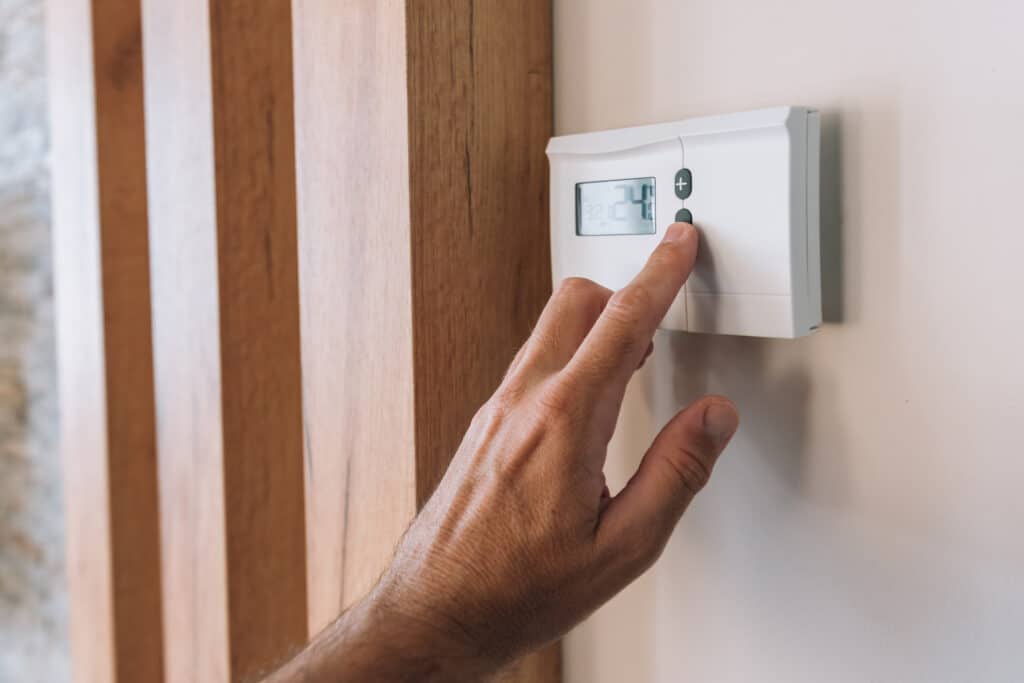
Zoning Systems Maintenance EXPLAINED
Zoning systems divide a building into separate temperature areas. Regular maintenance keeps those zones working as intended. Homeowners and building managers hire zoning maintenance to avoid hot and cold spots and to lower energy waste.
Routine maintenance prevents small issues from becoming big failures. Technicians inspect dampers, actuators, thermostats, and control wiring. They clean moving parts, test response times, and recalibrate controls to match manufacturer specs. This work keeps airflow balanced and systems running efficiently.
Common signs you need zoning maintenance include uneven room temperatures and vents that make noise. Short cycling of the HVAC unit and zones that never reach the set temperature also indicate trouble. These symptoms often come from stuck dampers, worn actuators, or poor thermostat calibration.
On a typical visit, a licensed electrician checks electrical components and control connections first. They test power to actuators and zone control panels and verify signal paths. Next they operate each damper to confirm smooth motion and proper positioning. The visit ends with written findings and clear repair recommendations.
Maintenance follows manufacturer specs to stay safe and compliant. Technicians work with power off when possible and avoid wiring changes without testing. They use safe ladder and workspace practices to protect people and equipment. Following maker instructions helps preserve warranties and performance.
How often you need service depends on system age and use. Many systems do well with annual checks; older or heavily used systems may need twice-yearly service. Regular checks extend component life and keep comfort steady. Technicians will suggest a schedule that fits your system and budget.
Cost depends on the number of zones, type of controls, access difficulty, and condition of parts. Factors include whether actuators or thermostats need replacement. We provide a clear estimate after inspection and before any work starts. General range estimates are available on request to help plan your budget.
Burke Plumbing & Heating sends experienced technicians who focus on electrical control systems and follow manufacturer specs. We explain findings in plain language and show any worn parts. If you would like a tailored estimate, we can schedule an inspection and provide one without pressure.
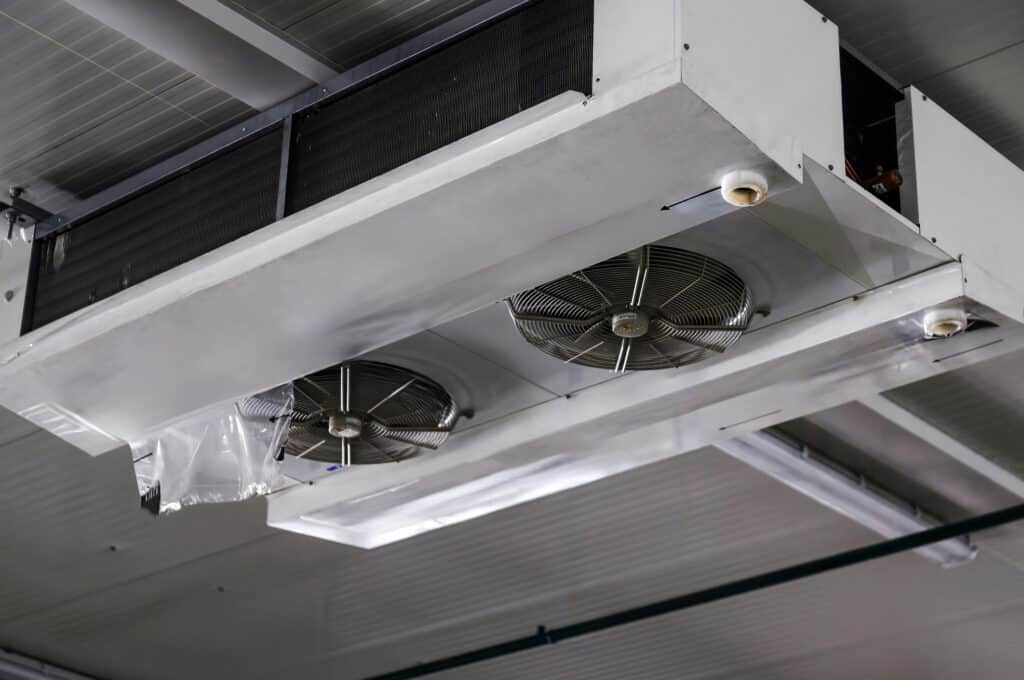
SIGNS YOU NEED PROFESSIONAL Zoning Systems Maintenance
Zoning systems divide a building into separate temperature areas. Regular maintenance keeps those zones working as intended. Homeowners and building managers hire zoning maintenance to avoid hot and cold spots and to lower energy waste.
Routine maintenance prevents small issues from turning into major failures. Technicians inspect dampers, actuators, thermostats, and control wiring. They clean moving parts, test response times, and recalibrate controls to match manufacturer specs. This work keeps airflow balanced and systems running efficiently.
Common signs you need zoning maintenance include uneven room temperatures and vents that make noise. Short cycling of the HVAC unit and zones that never reach the set temperature also point to trouble. These symptoms often come from stuck dampers, worn actuators, or poor thermostat calibration.
On a typical visit, a licensed electrician checks electrical components and control connections first. They test power to actuators and zone control panels and verify signal paths. Next they operate each damper to confirm smooth motion and proper positioning. The visit ends with written findings and clear repair recommendations.
Maintenance follows manufacturer specs to stay safe and compliant. Technicians work with power off when possible and avoid wiring changes without testing. They use safe ladder and workspace practices to protect people and equipment. Following maker instructions helps preserve warranties and performance.
How often you need service depends on system age and use. Many systems do well with annual checks; older or heavily used systems may need twice-yearly service. Regular checks extend component life and keep comfort steady. Technicians will suggest a schedule that fits your system and budget.
Cost varies with number of zones, type of controls, access difficulty, and parts condition. Factors include whether actuators or thermostats need replacement. Burke Plumbing & Heating provides a clear estimate after inspection and before any work starts. General range estimates are available on request to help plan your budget.
Our technicians bring years of electrical control experience and follow manufacturer specs on every job. We explain findings in plain language and show any worn parts. If you would like a tailored estimate, we can schedule an inspection and provide one without pressure.
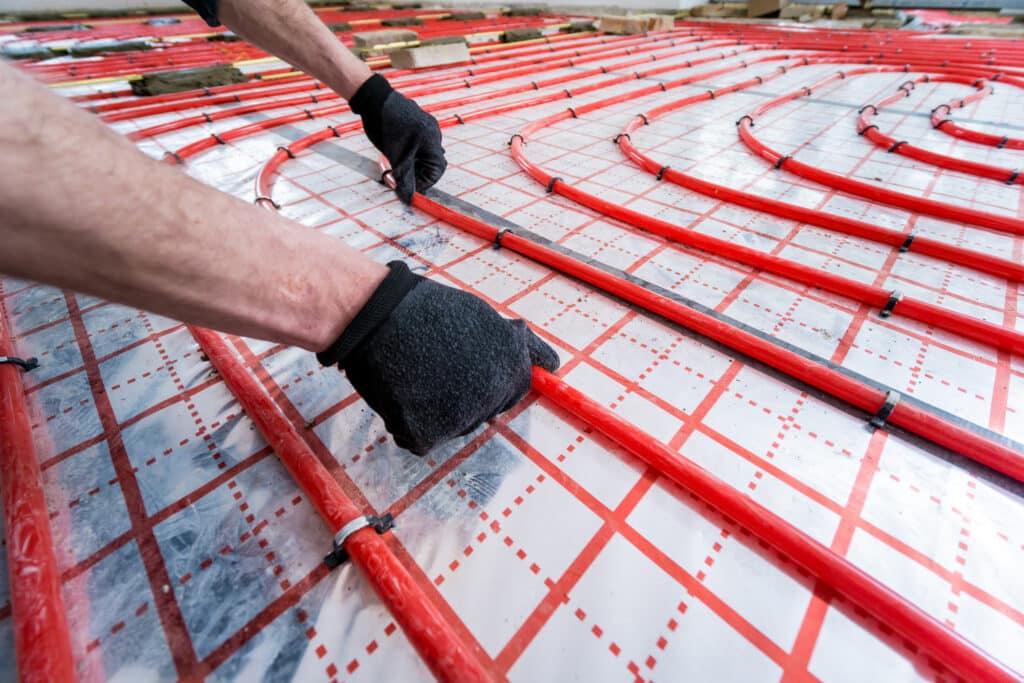
Common Zoning Systems Maintenance Issues
Zoning systems split a building into separate temperature areas. Regular maintenance keeps those zones working as intended. Homeowners and building managers use zoning maintenance to prevent hot and cold spots and to reduce energy waste.
Routine maintenance catches small problems before they grow. Technicians inspect dampers, actuators, thermostats, and control wiring. They clean moving parts, test response times, and recalibrate controls to match manufacturer specs. These steps keep airflow balanced and systems efficient.
Common signs you need zoning maintenance include rooms that stay too hot or too cold and vents that make noise. Short cycling of the HVAC unit and zones that never reach the set temperature also point to trouble. Those symptoms often come from stuck dampers, worn actuators, or poor thermostat calibration.
During a typical maintenance visit, a licensed electrician checks the electrical components and control connections first. They test power to actuators and the zone control panel and verify signal paths. Then they operate each damper to confirm smooth motion and correct positioning. The visit ends with written findings and clear recommendations.
Maintenance follows manufacturer specs to keep systems safe and compliant. Technicians work with power off when possible and avoid changing wiring without testing. They use safe ladder and workspace practices to protect people and equipment. Following maker instructions helps preserve warranties and performance.
How often to service a system depends on age and use. Many systems do well with an annual check; older or heavily used systems may need service twice a year. Regular checks extend component life and keep indoor comfort steady. A technician can recommend a schedule that fits your system and budget.
Cost depends on the number of zones, type of controls, ease of access, and condition of parts. Factors include whether actuators, dampers, or thermostats need replacement. Burke Plumbing & Heating provides a clear estimate after inspection and before any work begins. General price ranges are available on request to help plan your budget.
Our technicians bring years of electrical control experience and follow manufacturer specs on every job. We explain findings in plain language and show any worn parts. If you would like a tailored estimate, we can schedule an inspection and provide one without pressure.
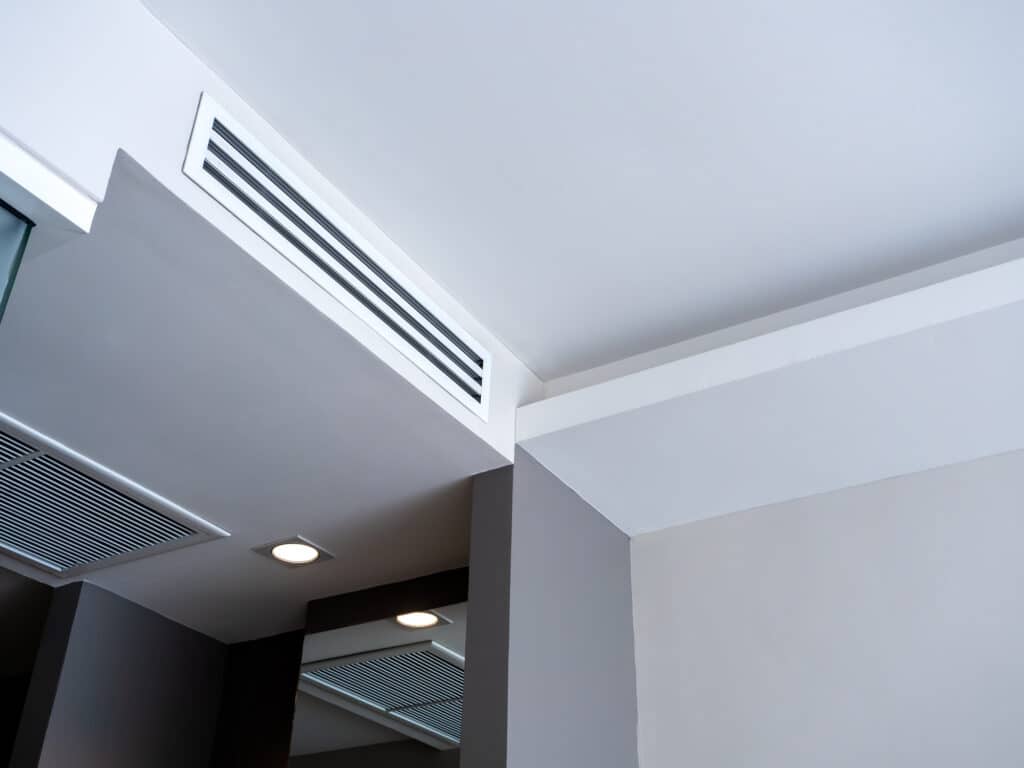
WHY CHOOSE US?
Zoning systems split a building into separate temperature areas. Regular maintenance keeps those zones working as intended. Homeowners and building managers use zoning maintenance to prevent hot and cold spots and to reduce energy waste.
Routine maintenance catches small problems before they grow. Technicians inspect dampers, actuators, thermostats, and control wiring. They clean moving parts, test response times, and recalibrate controls to match manufacturer specs. These steps keep airflow balanced and systems efficient.
Common signs you need zoning maintenance include rooms that stay too hot or too cold and vents that make noise. Short cycling of the HVAC unit and zones that never reach the set temperature also point to trouble. Those symptoms often come from stuck dampers, worn actuators, or poor thermostat calibration.
During a typical maintenance visit, a licensed electrician checks electrical components and control connections first. They test power to actuators and the zone control panel and verify signal paths. Then they operate each damper to confirm smooth motion and correct positioning. The visit ends with written findings and clear recommendations.
Maintenance follows manufacturer specs to keep systems safe and compliant. Technicians work with power off when possible and avoid changing wiring without testing. They use safe ladder and workspace practices to protect people and equipment. Following maker instructions helps preserve warranties and performance.
How often to service a system depends on age and use. Many systems do well with an annual check; older or heavily used systems may need service twice a year. Regular checks extend component life and keep indoor comfort steady. A technician can recommend a schedule that fits your system and budget.
Cost depends on the number of zones, type of controls, ease of access, and condition of parts. Factors include whether actuators, dampers, or thermostats need replacement. Burke Plumbing & Heating provides a clear estimate after inspection and before any work begins. General price ranges are available on request to help plan your budget.
Our technicians bring years of electrical control experience and follow manufacturer specs on every job. We explain findings in plain language and show any worn parts. If you would like a tailored estimate, we can schedule an inspection and provide one without pressure.
FREQUENTLY ASKED QUESTIONS
How often should I schedule zoning system maintenance?
Frequency depends on system age and use. Many systems do well with an annual check, while older or heavily used systems may need service twice a year. A technician will suggest a schedule that fits your system and budget.
What does a maintenance visit include?
A licensed electrician inspects electrical components and control wiring first. They test power to actuators and controls, operate each damper, clean moving parts, and recalibrate controls to match manufacturer specs. The visit ends with written findings and clear recommendations.
What signs show my zoning system needs maintenance now?
Look for uneven room temperatures, vents making unusual noises, short cycling, or zones that never reach the set temperature. These often point to stuck dampers, worn actuators, or poor thermostat calibration and should prompt an inspection.
How do you keep the work safe and compliant with manufacturer specs?
Technicians work with power off when possible and follow manufacturer installation and service instructions. They avoid changing control wiring without testing and use safe ladder and workspace practices to protect people and equipment.
How much will maintenance cost and how do you provide estimates?
Cost varies with number of zones, type of controls, access difficulty, and parts condition. Burke Plumbing & Heating provides a clear estimate after inspection and before any work begins, and general price ranges are available on request to help plan your budget.