








Variable Refrigerant Flow Systems
Variable refrigerant flow systems move refrigerant between an outdoor unit and multiple indoor units. Homeowners choose them for precise temperature control and energy savings in homes and small commercial spaces. Burke Plumbing & Heating installs these systems to replace older ducted units or add zone control where ductwork is limited. This page explains the installation process, common uses, and what to expect.
Many customers pick VRF systems to cool or heat several rooms independently. They work well when you want different temperatures in each room. They also solve problems when adding rooms to a house or converting spaces without ductwork. We will cover factors that influence cost and timing.
The installation starts with a site visit and system design. We check load needs, indoor unit placement, and outdoor unit location. We follow manufacturer specs to size piping and electrical feeds. Clear planning reduces delays and keeps the job safe.
On install day, technicians mount indoor units and the outdoor condensing unit. They run refrigerant lines and electrical wiring between units. We evacuate the lines and charge the system per the manufacturer. Then we test each indoor unit for proper operation.
Typical issues VRF systems solve include uneven heating, high energy bills, and lack of zoning. They also help when ductwork space is limited or costly to add. For light commercial projects, VRF provides flexible control for offices and retail spaces. We explain which indoor unit styles work best for each room.
Safety and compliance matter during installation. We follow electrical codes and manufacturer instructions for refrigerant handling. Technicians follow safe wiring practices and verify breakers and disconnects. Proper commissioning prevents leaks and ensures warranty coverage.
Cost depends on system size, number of zones, indoor unit types, and installation complexity. Higher ceilings, long refrigerant runs, and structural work raise costs. We provide a clear estimate after the site survey. Estimates show a range so you can compare options.
Burke Plumbing & Heating assigns licensed electricians and experienced HVAC installers to each job. Our team explains the schedule, access needs, and minor prep items for homeowners. We keep work areas clean and test systems with you present. If you want an estimate, contact us to schedule a site visit and design review.
WHY CHOOSE US?
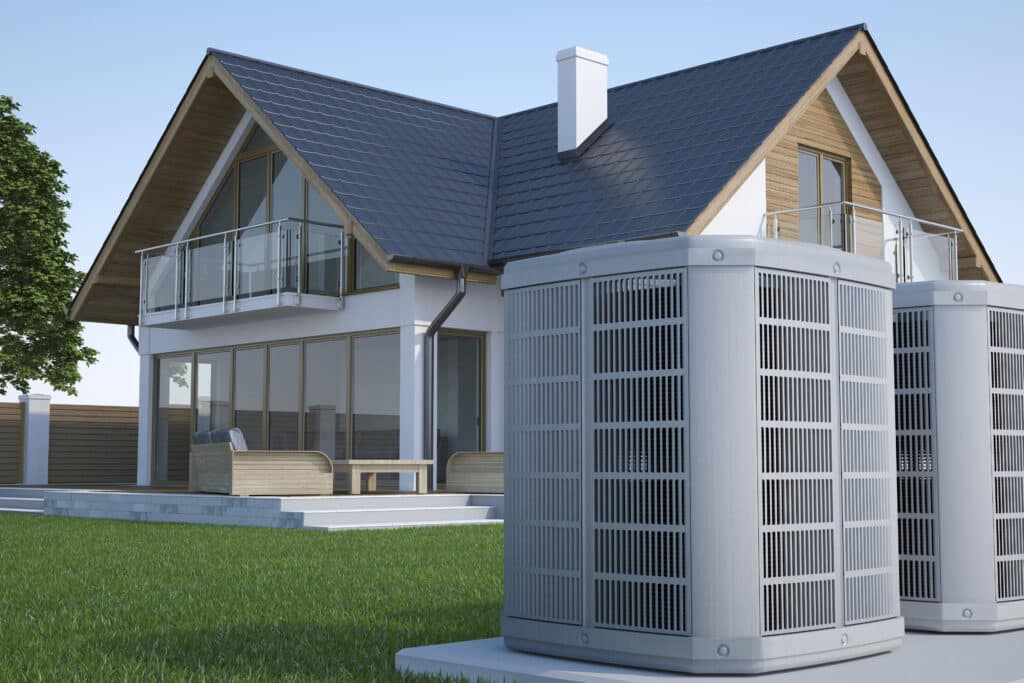
Variable refrigerant flow systems move refrigerant between one outdoor unit and several indoor units. Homeowners choose them for precise room-by-room temperature control and often lower energy use. Burke Plumbing & Heating installs these systems as part of Smart Home Services for electrical and advanced energy upgrades. This content explains the installation process, common problems VRF solves, and what to expect.
Many people pick VRF when rooms stay different temperatures or when one thermostat cannot meet comfort needs. VRF works well where ductwork is limited or costly to add. It also helps when remodeling, adding rooms, or finishing basements without ducts. We focus on clear planning to limit disruption and cost.
The process starts with a site visit and system design. We measure each room, inspect existing wiring, and choose indoor unit and outdoor unit locations. Licensed electricians and HVAC installers follow manufacturer specs to size refrigerant lines and electrical circuits. Good planning keeps the install on time and safe.
On install day, technicians mount indoor units and set the outdoor condensing unit. They run refrigerant piping and dedicated electrical feeds between units. We evacuate and charge the refrigerant per the manufacturer’s instructions and then test each zone. Finally, we show you how the controls and schedules work.
VRF systems solve uneven heating, lack of zoning, and high energy bills caused by running one system for the whole building. They also avoid major ductwork, which reduces structural work and disruption. For small commercial spaces, VRF gives flexible zone control for offices and shops. We recommend indoor unit styles based on room use and layout.
Safety and compliance guide every step of the job. Technicians follow the manufacturer’s installation instructions and electrical codes for wiring and circuit protection. Licensed electricians install breakers, disconnects, and dedicated circuits. Proper commissioning prevents refrigerant leaks and protects warranty coverage.
Cost varies with system size, number of zones, indoor unit types, and installation complexity. Long refrigerant runs, high ceilings, tight access, and added structural work raise costs. After the site survey, Burke Plumbing & Heating provides a clear estimate with a price range and options to compare. That helps you weigh capacities, controls, and timelines.
Burke Plumbing & Heating pairs licensed electricians with experienced HVAC installers on every VRF job. We explain the timeline, access needs, and simple prep steps before work begins. Technicians keep the site tidy and test the system with you present. Contact us to schedule a site visit and get an estimate for your VRF installation.


WHAT IS Variable Refrigerant Flow Systems?
Variable refrigerant flow systems move refrigerant between one outdoor unit and many indoor units. Homeowners choose them for precise temperature control and energy savings in homes and small businesses. Burke Plumbing & Heating installs these systems as part of Smart Home Services for electrical and advanced energy system upgrades. This section explains the installation process, common uses, and what to expect.
Many people pick VRF when they need different temperatures in each room. VRF fits well where ductwork is limited or when adding rooms. It also helps lower energy use by sending refrigerant only where it is needed. We will show how we plan and install these systems.
The process begins with a site visit and system design. We measure each room, check existing wiring, and pick locations for indoor units and the outdoor unit. We follow manufacturer specs to size refrigerant piping and electrical circuits. Good planning keeps the schedule and safety on track.
On install day, technicians mount indoor units and the outdoor condensing unit. They run refrigerant lines and dedicated electrical feeds between units. We evacuate lines and charge the system per manufacturer instructions. Finally, we test each indoor unit and show you how controls work.
Common problems VRF fixes include uneven heating, high energy bills, and lack of zoning control. It also works when remodeling or adding space without ducts. For light commercial spaces, VRF offers flexible control for offices and retail areas. We recommend indoor unit styles based on room use and layout.
Safety and code compliance matter during every step. We follow electrical codes and the manufacturer’s installation instructions for refrigerant handling. Licensed electricians install breakers, disconnects, and dedicated circuits. Proper commissioning reduces leaks and preserves warranties.
Cost depends on system size, number of zones, indoor unit types, and installation complexity. Long refrigerant runs, high ceilings, and required structural work raise costs. We provide a clear estimate after the site survey that shows a price range and options. This helps you compare models and controls.
Burke Plumbing & Heating assigns licensed electricians and experienced installers to each job. We explain the timeline, access needs, and small prep tasks for homeowners. Technicians keep work areas tidy and test the system with you present. Contact us to schedule a site visit and get an estimate for a VRF installation.

UNDERSTANDING Variable Refrigerant Flow Systems
Variable refrigerant flow systems move refrigerant between one outdoor unit and several indoor units. Homeowners pick them for precise room-by-room temperature control and lower energy use. Burke Plumbing & Heating installs these systems as part of Smart Home Services for electrical and advanced energy upgrades. This text explains the installation process, common uses, and what to expect.
Many people choose VRF when they need different temperatures in each room. VRF works well where ductwork is limited or costly to add. It also helps in remodels and additions where zoning matters. We focus on clear planning and clean installation.
The process starts with a site visit and system design. We measure rooms, review existing wiring, and choose indoor unit locations and the outdoor unit spot. We follow manufacturer specs to size refrigerant lines and electrical circuits. Good planning keeps the project on time and safe.
On install day, technicians mount indoor units and the outdoor condensing unit. They run refrigerant lines and install dedicated electrical feeds between units. We evacuate and charge the refrigerant per the manufacturer’s instructions. Then we test each indoor unit and show you how the controls work.
VRF systems fix uneven heating, high energy use, and lack of zoning control. They also solve HVAC limits when adding rooms or converting spaces without ducts. For small commercial spaces, VRF gives flexible control for offices and shops. We recommend indoor unit styles based on room size and use.
Safety and code compliance guide every step of the install. Licensed electricians handle breakers, disconnects, and required circuits. Technicians follow manufacturer specs for refrigerant handling to protect warranties. Proper commissioning prevents leaks and ensures system reliability.
Cost depends on system size, number of zones, indoor unit types, and installation complexity. Long refrigerant runs, high ceilings, and extra structural work increase costs. After the site survey, we give a clear estimate with a price range and options. That helps you compare models, controls, and service levels.
Burke Plumbing & Heating assigns licensed electricians and experienced installers to each job. We explain the schedule, access needs, and small prep tasks for homeowners. Technicians keep the site tidy and test the system with you present. Contact us to schedule a site visit and get an estimate for a VRF installation.
Variable Refrigerant Flow Systems EXPLAINED
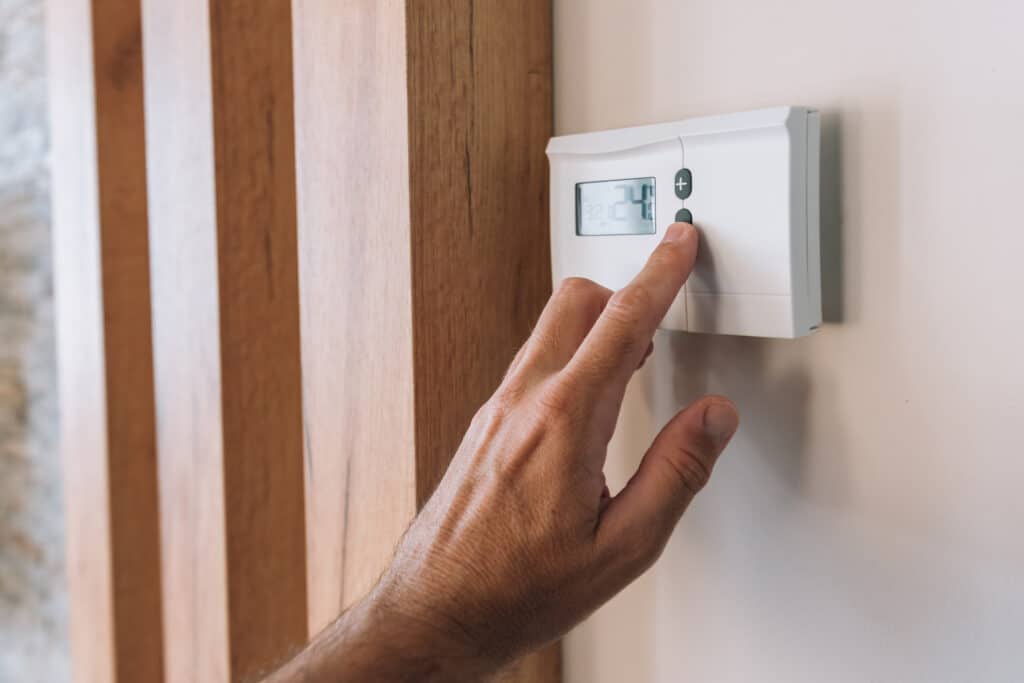
Variable refrigerant flow systems move refrigerant between one outdoor unit and several indoor units. Homeowners pick them for precise room-by-room temperature control and lower energy use. Burke Plumbing & Heating installs these systems as part of Smart Home Services for electrical and advanced energy upgrades. This text explains the installation process, common uses, and what to expect.
Many people choose VRF when they need different temperatures in each room. VRF works well where ductwork is limited or costly to add. It also helps in remodels and additions where zoning matters. We focus on clear planning and clean installation.
The process starts with a site visit and system design. We measure rooms, review existing wiring, and choose indoor unit locations and the outdoor unit spot. We follow manufacturer specs to size refrigerant lines and electrical circuits. Good planning keeps the project on time and safe.
On install day, technicians mount indoor units and the outdoor condensing unit. They run refrigerant lines and install dedicated electrical feeds between units. We evacuate and charge the refrigerant per the manufacturer’s instructions. Then we test each indoor unit and show you how the controls work.
VRF systems fix uneven heating, high energy use, and lack of zoning control. They also solve HVAC limits when adding rooms or converting spaces without ducts. For small commercial spaces, VRF gives flexible control for offices and shops. We recommend indoor unit styles based on room size and use.
Safety and code compliance guide every step of the install. Licensed electricians handle breakers, disconnects, and required circuits. Technicians follow manufacturer specs for refrigerant handling to protect warranties. Proper commissioning prevents leaks and ensures system reliability.
Cost depends on system size, number of zones, indoor unit types, and installation complexity. Long refrigerant runs, high ceilings, and extra structural work increase costs. After the site survey, we give a clear estimate with a price range and options. That helps you compare models, controls, and service levels.
Burke Plumbing & Heating assigns licensed electricians and experienced installers to each job. We explain the schedule, access needs, and small prep tasks for homeowners. Technicians keep the site tidy and test the system with you present. Contact us to schedule a site visit and get an estimate for a VRF installation.
SIGNS YOU NEED PROFESSIONAL Variable Refrigerant Flow Systems
You may need a variable refrigerant flow system when rooms stay different temperatures despite a working HVAC system. VRF lets each room or zone set its own comfort level. It solves uneven heating, noisy ductwork, and high energy bills from running one thermostat for the whole building.
Consider VRF if you are remodeling, adding rooms, or converting spaces without ducts. It fits tight spaces because indoor units mount on walls, ceilings, or floors. This avoids long duct runs and major structural work that raise cost and disruption.
Choose VRF when you want precise control and energy savings in multi-room layouts. Businesses with offices or retail areas often pick VRF for flexible scheduling and zone control. Homes with finished basements, attics, or additions also benefit from separate indoor units.
The installation starts with a site survey and load assessment. We measure each room, check existing wiring, and map unit locations. Following manufacturer specs, licensed electricians size circuits and route refrigerant lines safely.
On install day technicians mount indoor units, set the outdoor condensing unit, and run piping and wiring. They evacuate the lines, charge the system per manufacturer instructions, and commission each zone. We test controls and show you how to use the system.
Safety and compliance matter during every step. Technicians follow the manufacturer’s installation instructions and electrical codes. Proper commissioning prevents refrigerant leaks and protects the warranty. Licensed electricians handle circuit connections and disconnects.
Cost varies with system size, number of zones, indoor unit types, and installation complexity. Long refrigerant runs, high ceilings, and concealed routing raise costs. After a site visit, Burke Plumbing & Heating provides a clear estimate with a price range and options to compare.
Our team pairs licensed electricians with experienced HVAC installers for each VRF job. We explain the timeline, homeowner prep, and access needs before work begins. To get an estimate, contact Burke Plumbing & Heating to schedule a site visit and design review.
Common Variable Refrigerant Flow Systems Issues
Variable refrigerant flow systems move refrigerant between one outdoor unit and several indoor units. Homeowners choose them for precise room-by-room temperature control and often lower energy use. Burke Plumbing & Heating installs these systems as part of Smart Home Services for electrical and advanced energy upgrades. This content explains the installation process, common problems VRF solves, and what to expect.
Many people choose VRF when they need different temperatures in each room. VRF fits well where ductwork is limited or costly to add. It also helps when remodeling or adding spaces without ducts. We focus on clear planning and clean work to reduce disruption.
The first step is a site visit and system design. We measure each room, inspect existing wiring, and pick indoor and outdoor unit locations. We follow the manufacturer’s specs to size refrigerant lines and electrical circuits. Good planning keeps the job on schedule and safe.
On installation day, technicians mount indoor units and the outdoor condensing unit. They run refrigerant lines and install dedicated electrical feeds between units. We evacuate and charge the system per manufacturer instructions and then test each zone. Finally, we show you how to operate the controls and schedules.
Common problems VRF systems solve include uneven heating, poor zoning, and high energy bills from single-thermostat systems. They also work well when adding rooms, finishing basements, or converting attics where ducts are impractical. For small commercial spaces, VRF adds flexible control for offices and retail areas. We pick indoor unit styles based on room use and layout.
Safety and code compliance guide every step of the job. Licensed electricians handle breakers, disconnects, and required circuits. Technicians follow the manufacturer’s refrigerant handling instructions to avoid leaks and protect warranties. Proper commissioning and testing reduce the risk of call-backs.
Cost depends on system size, number of zones, indoor unit types, and installation complexity. Long refrigerant runs, high ceilings, and needed structural work raise costs. After the site survey, we provide a clear estimate with a price range and options to compare. This helps you decide on capacity, controls, and scheduling.
Burke Plumbing & Heating pairs licensed electricians with experienced HVAC installers on every VRF job. We explain the timeline, access needs, and simple prep steps for homeowners. Technicians keep the work area tidy and test the system with you present. Contact us to schedule a site visit and get an estimate for a VRF installation.
WHY CHOOSE US?
Variable refrigerant flow systems move refrigerant between one outdoor unit and several indoor units. Homeowners choose them for precise room-by-room temperature control and often lower energy use. Burke Plumbing & Heating installs these systems as part of Smart Home Services for electrical and advanced energy upgrades. This content explains the installation process, common problems VRF solves, and what to expect.
Many people pick VRF when rooms stay different temperatures or when one thermostat cannot meet comfort needs. VRF works well where ductwork is limited or costly to add. It also helps when remodeling, adding rooms, or finishing basements without ducts. We focus on clear planning to limit disruption and cost.
The process starts with a site visit and system design. We measure each room, inspect existing wiring, and choose indoor unit and outdoor unit locations. Licensed electricians and HVAC installers follow manufacturer specs to size refrigerant lines and electrical circuits. Good planning keeps the install on time and safe.
On install day, technicians mount indoor units and set the outdoor condensing unit. They run refrigerant piping and dedicated electrical feeds between units. We evacuate and charge the refrigerant per the manufacturer’s instructions and then test each zone. Finally, we show you how the controls and schedules work.
VRF systems solve uneven heating, lack of zoning, and high energy bills caused by running one system for the whole building. They also avoid major ductwork, which reduces structural work and disruption. For small commercial spaces, VRF gives flexible zone control for offices and shops. We recommend indoor unit styles based on room use and layout.
Safety and compliance guide every step of the job. Technicians follow the manufacturer’s installation instructions and electrical codes for wiring and circuit protection. Licensed electricians install breakers, disconnects, and dedicated circuits. Proper commissioning prevents refrigerant leaks and protects warranty coverage.
Cost varies with system size, number of zones, indoor unit types, and installation complexity. Long refrigerant runs, high ceilings, tight access, and added structural work raise costs. After the site survey, Burke Plumbing & Heating provides a clear estimate with a price range and options to compare. That helps you weigh capacities, controls, and timelines.
Burke Plumbing & Heating pairs licensed electricians with experienced HVAC installers on every VRF job. We explain the timeline, access needs, and simple prep steps before work begins. Technicians keep the site tidy and test the system with you present. Contact us to schedule a site visit and get an estimate for your VRF installation.
FREQUENTLY ASKED QUESTIONS
How long does a VRF system installation usually take from survey to completion?
After the initial site survey and design, most residential installs take several days to a week depending on zones and complexity. Larger or light commercial jobs can take longer if structural work or long refrigerant runs are needed. We provide a timeline estimate after the site visit so you know expected start and finish dates.
What should I prepare in my home before the Burke Plumbing & Heating team arrives?
Clear access to planned indoor unit locations, the outdoor unit area, and electrical panels to speed work and improve safety. Remove fragile items near work zones and note any tight access points. We’ll list small prep tasks during the site survey to avoid delays.
What factors influence the cost of a VRF installation and how are price ranges provided?
Cost depends on system size, number of indoor zones, indoor unit types, refrigerant line lengths, and any structural or electrical work required. Long piping runs, high ceilings, and concealed routing raise costs. After the site survey we give a clear estimate with a price range and options to compare.
Who performs the electrical and refrigerant work during installation, and how is safety handled?
Licensed electricians handle circuit sizing, breakers, and disconnects while experienced HVAC installers manage refrigerant piping and charging. Technicians follow manufacturer specifications and electrical codes to prevent leaks and ensure safe grounding. Proper commissioning and testing protect the warranty and system performance.
What can I expect during commissioning and how will my zones be tested?
Technicians evacuate and charge refrigerant per manufacturer instructions, then run functional tests on each indoor unit and controls. We verify temperatures, airflow, and electrical connections while you watch so you understand operation. The final walkthrough includes basic control training and any scheduling setup you request.