







Solar Assisted HVAC Systems
Solar assisted HVAC system installation pairs solar electric panels with your heating and cooling gear. Homeowners choose this when they want lower energy bills and more reliable comfort. This service covers sizing the solar array, matching it to your HVAC load, and setting up controls that route power where it helps most. We explain options, prep steps, and what to expect during the install.
First we assess your roof, sun exposure, and current HVAC equipment. We look at your past energy use to size the system. Then we discuss panel options and whether to add a battery. You will see tradeoffs between up-front cost and long-term savings.
On installation day, the crew mounts panels, runs wiring, and connects the inverter. We integrate the inverter with your HVAC control so solar power feeds the system first. Technicians follow manufacturer specs and local electrical rules to keep work safe and compliant. You should expect clean work, clear labeling, and a brief system demo.
Common reasons to install a solar assisted HVAC system include high electric bills, unreliable grid power, or a desire to cut carbon output. These systems help by lowering HVAC electricity use and shifting demand to sunny hours. They also reduce peak load, which can prolong equipment life. Owners often see smoother operation on sunny days.
Safety steps include disconnects, proper grounding, and documented wiring that matches manufacturer specs. We secure permits and arrange inspections as part of the install. Technicians take precautions on roofs and with live circuits. After work, we provide operation tips and maintenance basics.
Cost depends on system size, roof complexity, panel type, and whether you add a battery. You should expect a range that reflects these choices and the scale of your HVAC system. We review options to match your budget and goals without making promises about exact savings. A site visit lets us give a tailored estimate.
Our team brings years of electrical and HVAC installation experience and follows best practices for safe, reliable work. We focus on clear communication and on meeting manufacturer instructions at every step. If you want a specific cost estimate and a walkthrough of options, schedule an on-site estimate.
WHY CHOOSE US?
We install solar assisted HVAC systems that pair solar panels with your heating and cooling equipment to cut electricity use. Homeowners choose this to lower bills, add resilience, or reduce carbon output. Burke Plumbing & Heating handles the full installation process so your new system works with your existing HVAC gear. This content explains the installation steps, common uses, and what to expect.
We begin with a site visit to inspect roof condition, shading, and your HVAC equipment. We review past energy use to size the solar array and inverter to meet HVAC demand. We also discuss whether a battery backup fits your goals and budget. This step helps you compare upfront cost versus long‑term savings.
On installation day the crew mounts panels, runs conduit and wiring, and ties the inverter into your electrical panel. We integrate controls so solar power feeds the HVAC first when sunlight is available. Technicians follow manufacturer specs and electrical code to keep the system safe and compliant. Expect tidy work, clear labeling, and a short walkthrough at completion.
Typical problems this service solves include high HVAC electric bills, heavy grid reliance on hot or cold days, and peak demand spikes. Solar power can cover HVAC load during sunny hours and reduce peak draw. Adding a battery can provide backup power and smoother operation during short outages. The result is lower operating cost and steadier indoor comfort.
If your roof has limited sun or awkward angles, we offer alternate panel layouts or partial‑offset options. We size the system to avoid oversupply that wastes budget and undersize that gives little benefit. Controls are set to prevent short cycling and prioritize HVAC loads. Our goal is reliable comfort and measurable energy reduction.
Safety steps include labeled disconnects, proper grounding, and wiring per manufacturer specs. We obtain required permits and arrange inspections as part of the job. Technicians use fall protection on roofs and lockout procedures on live circuits. After installation we show simple checks and basic maintenance tasks you can perform.
Costs vary by system size, roof complexity, panel efficiency, battery choice, and control features. Expect general price ranges that reflect those factors rather than a fixed quote. We review financing and available incentives during the site visit to help you compare options. Schedule an on‑site estimate to get a tailored plan and cost range from our Smart Home Services team.


WHAT IS Solar Assisted HVAC Systems?
Solar assisted HVAC systems combine solar electric panels with your heating and cooling equipment to lower electricity use. Homeowners choose this to cut bills, reduce reliance on the grid, or make HVAC run cleaner. Burke Plumbing & Heating explains options, prepares the site, and installs the system to work with your existing HVAC. This description focuses on the installation process and what to expect.
First we inspect your roof, sun exposure, and current HVAC equipment to see what will fit. We review past energy use to size the solar array and the inverter. We also discuss adding a battery if you want backup or more savings. You will learn tradeoffs such as upfront cost versus long-term savings.
On installation day the crew mounts panels, runs conduit, and ties the inverter to your electrical panel. We integrate the inverter and controls so solar power supplies the HVAC first. Technicians follow manufacturer specs and electrical rules to keep the system safe. Expect tidy work, clear labels, and a short walk-through when we finish.
People typically install solar assisted HVAC because their electric bills are high or they want more reliable power. These systems reduce HVAC draw during sunny hours and can shift load away from peak times. That helps lower bills and may extend equipment life. Solar also supports resilience during brief grid issues when paired with a battery.
Common problems this service solves include oversized HVAC loads, surprise demand charges, and frequent short cycling from tight thermostats. We size the solar to meet peak HVAC needs and set controls to avoid those issues. If your roof or shading limits panels, we present alternate layouts or partial offset options. The goal is steady comfort and measurable energy reduction.
We follow safety steps like using disconnects, grounding, and documented wiring per manufacturer specs. Permits and inspections are handled as part of the install. Technicians use fall protection on roofs and lockout procedures on live circuits. After installation, we explain routine checks and simple maintenance you can do.
Costs vary with system size, roof complexity, panel efficiency, and whether you add a battery. Expect general ranges that reflect those choices but not a guaranteed number. We review financing and incentives during the site visit to show clearer options. A detailed on-site estimate gives the most accurate price for your setup.
Our team brings years of electrical and HVAC installation experience and works to meet manufacturer instructions at every step. We explain each phase in plain terms and answer questions on site. If you want a tailored cost estimate and a walkthrough of system options, schedule an on-site estimate with our Smart Home Services team.
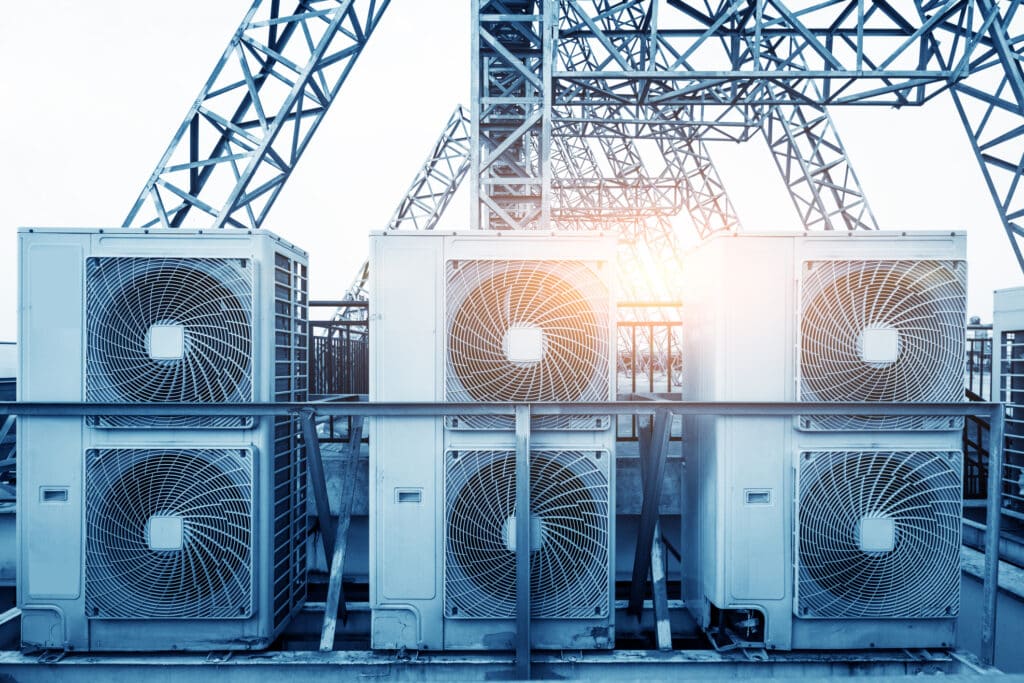
UNDERSTANDING Solar Assisted HVAC Systems
Solar assisted HVAC systems pair solar electric panels with your heating and cooling equipment to lower electricity use. Homeowners choose this to reduce bills, improve resilience, or cut carbon output. Burke Plumbing & Heating installs systems that match your current HVAC gear and site conditions. This section explains the installation process and what you should expect.
We start with a site visit to inspect roof condition, shading, and HVAC equipment. We review your past energy use to size the solar array and inverter. We also discuss whether a battery backup makes sense for your goals. This step helps you weigh upfront cost against long-term savings.
On install day the crew mounts panels, runs wiring and conduit, and ties the inverter into your electrical panel. We integrate controls so solar power supplies the HVAC first when available. Technicians follow manufacturer specs and electrical codes to keep the system safe and compliant. Expect tidy work, clear labels, and a brief demo when we finish.
Typical problems this service solves include high HVAC electric bills, grid-reliant cooling during hot days, and peak demand spikes. Solar can cover HVAC load during sunny hours and reduce peak draw. Pairing with a battery can add backup power and smoother performance during outages. The result is lower operating cost and steadier comfort.
If your roof has limited sun or unusual angles, we offer alternate panel layouts or partial-offset options. We size the system to avoid oversupply that wastes budget and undersize that gives little benefit. Controls are set to prevent short cycling and to prioritize HVAC needs. Our focus is reliable comfort and measurable energy reduction.
Safety measures include labeled disconnects, proper grounding, and wiring that follows manufacturer specs. We pull required permits and arrange inspections as part of the job. Technicians use fall protection on roofs and lockout procedures on electrical work. After install we show you simple checks and basic maintenance tasks you can do.
Costs vary by system size, roof complexity, panel efficiency, and whether you add a battery or advanced controls. You should expect a general price range that reflects those choices but not a fixed quote. We discuss financing and available incentives during the site visit to give clearer options. Schedule an on-site estimate for a tailored price and system plan from our Smart Home Services team.
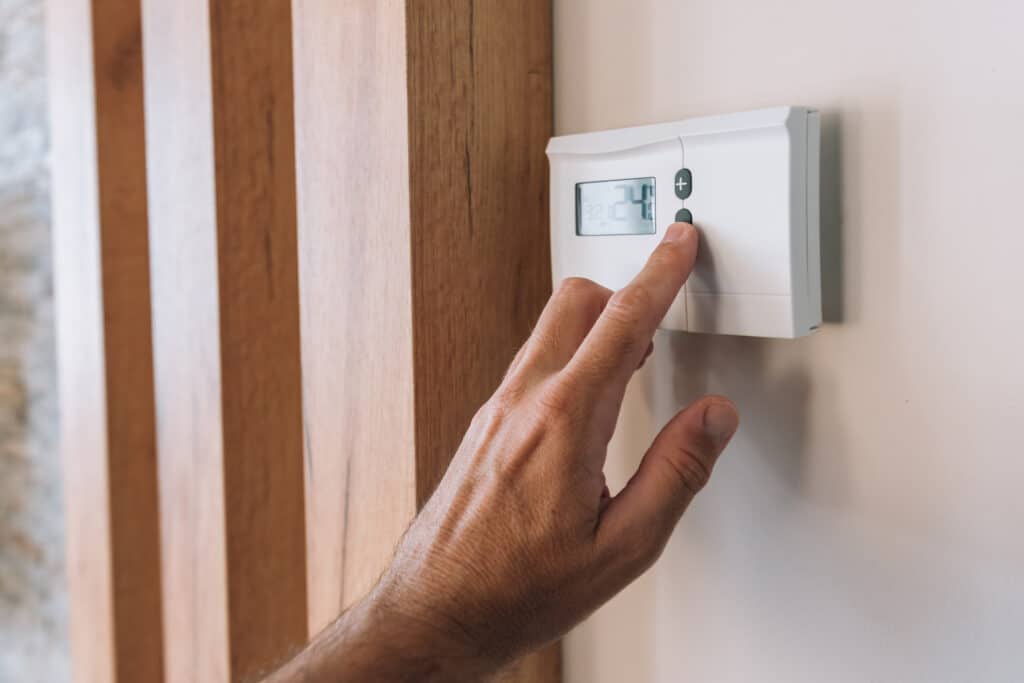
Solar Assisted HVAC Systems EXPLAINED
Solar assisted HVAC systems pair solar electric panels with your heating and cooling equipment to lower electricity use. Homeowners choose this to cut bills, improve resilience, or reduce carbon output. Burke Plumbing & Heating installs systems that work with your existing HVAC and site conditions. This section explains the installation process and what to expect.
We start with a site visit to check roof condition, shading, and current HVAC gear. We review past energy use to size the solar array and the inverter. We also discuss whether adding a battery backup fits your goals. This step helps you weigh upfront cost against long‑term savings.
On installation day the crew mounts panels, runs conduit and wiring, and ties the inverter into your electrical panel. We integrate controls so solar power feeds the HVAC first when sunlight is available. Technicians follow manufacturer specs and electrical codes to keep the system safe and compliant. Expect tidy work, clear labels, and a brief system demo at the end.
Common problems this service solves include high HVAC electricity bills and heavy grid reliance during hot or cold spells. Solar power can cover HVAC demand during sunny hours and lower peak grid draw. Pairing panels with a battery adds backup power during outages. The result is lower operating cost and steadier indoor comfort.
If your roof has limited sun or odd angles, we can propose alternate panel layouts or partial‑offset options. We size the system to avoid oversupply that wastes budget or undersize that gives little benefit. Controls get set to prevent short cycling and to prioritize HVAC loads. The focus is reliable comfort and measurable energy reduction.
Safety measures include labeled disconnects, proper grounding, and wiring that follows manufacturer specs. We obtain required permits and arrange inspections as part of the job. Technicians use fall protection on roofs and lockout procedures on electrical circuits. After installation we show simple checks and basic maintenance you can do.
Costs vary by system size, roof complexity, panel efficiency, and whether you add a battery or advanced controls. Expect general price ranges that reflect those choices rather than a fixed quote. We review financing and incentives during the site visit to clarify options. Schedule an on‑site estimate with our Smart Home Services team for a tailored plan and cost estimate.
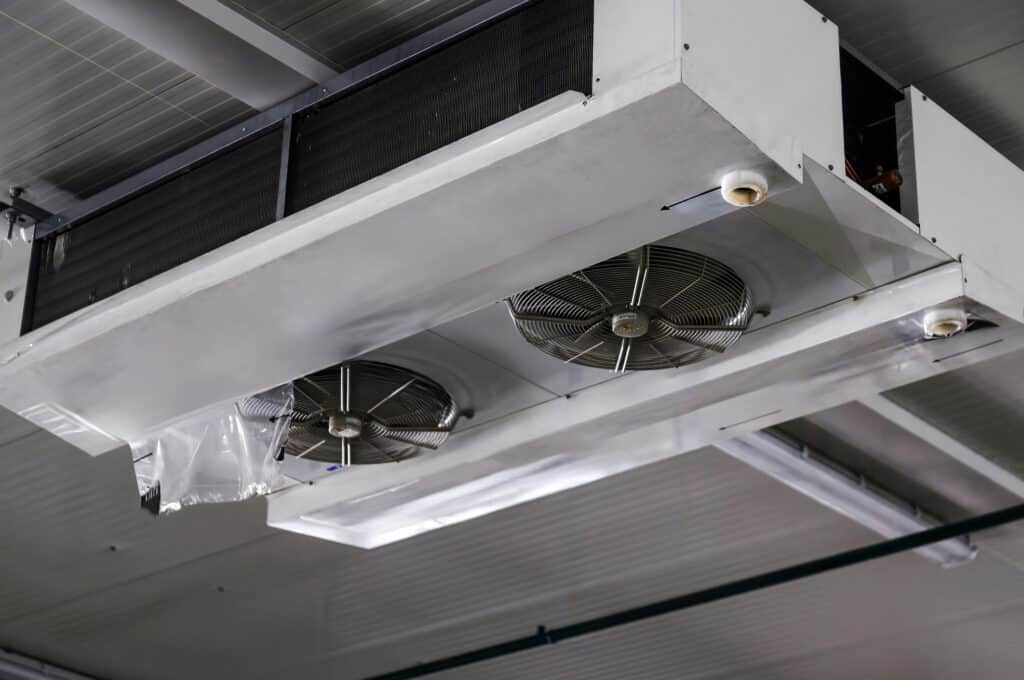
SIGNS YOU NEED PROFESSIONAL Solar Assisted HVAC Systems
Solar assisted HVAC systems pair solar panels with your heating and cooling equipment to lower electricity use. Homeowners choose this to cut bills, improve resilience, or reduce carbon output. Burke Plumbing & Heating installs systems that work with your existing HVAC and site conditions. This section explains the installation process and what to expect.
We start with a site visit to check roof condition, shading, and current HVAC gear. We review past energy use to size the solar array and the inverter. We also discuss whether adding a battery backup fits your goals. This step helps you weigh upfront cost against long‑term savings.
On installation day the crew mounts panels, runs conduit and wiring, and ties the inverter into your electrical panel. We integrate controls so solar power feeds the HVAC first when sunlight is available. Technicians follow manufacturer specs and electrical codes to keep the system safe and compliant. Expect tidy work, clear labels, and a brief system demo at the end.
Common problems this service solves include high HVAC electricity bills and heavy grid reliance during hot or cold spells. Solar power can cover HVAC demand during sunny hours and lower peak grid draw. Pairing panels with a battery adds backup power during outages. The result is lower operating cost and steadier indoor comfort.
If your roof has limited sun or odd angles, we can propose alternate panel layouts or partial‑offset options. We size the system to avoid oversupply that wastes budget or undersize that gives little benefit. Controls get set to prevent short cycling and to prioritize HVAC loads. The focus is reliable comfort and measurable energy reduction.
Safety measures include labeled disconnects, proper grounding, and wiring that follows manufacturer specs. We obtain required permits and arrange inspections as part of the job. Technicians use fall protection on roofs and lockout procedures on electrical circuits. After installation we show simple checks and basic maintenance you can do.
Costs vary by system size, roof complexity, panel efficiency, and whether you add a battery or advanced controls. Expect general price ranges that reflect those choices rather than a fixed quote. We review financing and incentives during the site visit to clarify options. Schedule an on‑site estimate with our Smart Home Services team for a tailored plan and cost estimate.
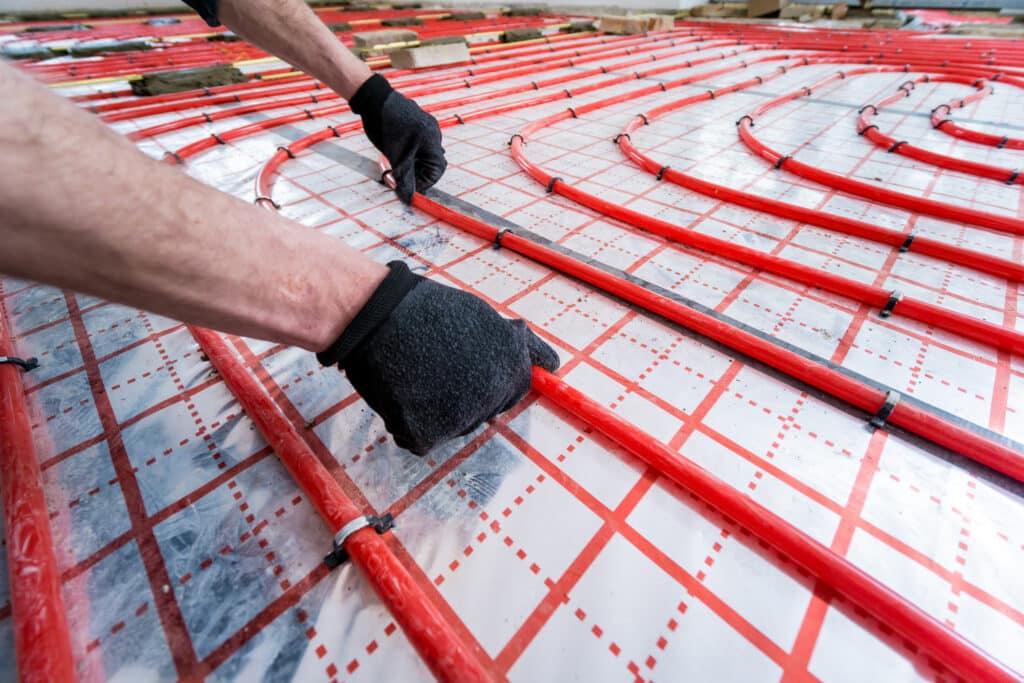
Common Solar Assisted HVAC Systems Issues
Solar assisted HVAC systems can show several common issues that homeowners should know about. Burke Plumbing & Heating sees problems from poor siting, undersized systems, and mismatched controls. These issues can cut expected savings and cause uneven comfort. Knowing the common faults helps you decide if installation is the right step.
One frequent issue is shading or poor roof orientation that reduces panel output. Trees, chimneys, or nearby buildings can block sun during peak hours. We check shading on the site visit and propose panel layouts or partial offset options. That way the system still delivers useful HVAC support.
Another common problem is undersizing the solar array or inverter for HVAC load. If panels or inverters are too small, the system won’t meaningfully lower HVAC draw. We review past energy use to size components to your needs. Proper sizing avoids surprises in performance and cost.
Mismatched controls between the inverter and HVAC can cause odd cycling or missed savings. Without the right settings, the system may not prioritize HVAC loads. Our installers integrate controls and set them per manufacturer specs. That reduces short cycling and improves comfort.
Poor roof condition or complex roof geometry often adds time and cost to installation. Fragile or steep roofs need extra mounting work and safety steps. We note these factors during the site visit and explain alternate layouts or ground‑mount options. This avoids damage and keeps the work safe.
Battery omission or wrong battery sizing can limit resilience during outages. Many systems require a battery to provide backup power to HVAC. We discuss whether a battery fits your goals and budget during the estimate. If you opt for one, we size and integrate it to meet your needs.
Electrical connection issues show up when wiring, grounding, or disconnects don’t match equipment specs. Improper wiring can lead to failures or require rework at inspection. Our team follows manufacturer specs and electrical codes to prevent these problems. We also pull permits and arrange inspections as part of the job.
Maintenance neglect can reduce output over time from dirty panels or loose connections. Simple seasonal checks keep performance steady. We show you basic checks and offer maintenance plans that follow manufacturer guidance. Regular care protects your investment and keeps savings steady.
Costs vary by array size, roof complexity, panel type, battery presence, and the controls you choose. Expect general price ranges that reflect those choices rather than a fixed quote. We review financing and available incentives during the site visit to clarify options. Schedule an on‑site estimate with our Smart Home Services team to get a tailored plan and cost range.
WHY CHOOSE US?
We install solar assisted HVAC systems that pair solar panels with your heating and cooling equipment to cut electricity use. Homeowners choose this to lower bills, add resilience, or reduce carbon output. Burke Plumbing & Heating handles the full installation process so your new system works with your existing HVAC gear. This content explains the installation steps, common uses, and what to expect.
We begin with a site visit to inspect roof condition, shading, and your HVAC equipment. We review past energy use to size the solar array and inverter to meet HVAC demand. We also discuss whether a battery backup fits your goals and budget. This step helps you compare upfront cost versus long‑term savings.
On installation day the crew mounts panels, runs conduit and wiring, and ties the inverter into your electrical panel. We integrate controls so solar power feeds the HVAC first when sunlight is available. Technicians follow manufacturer specs and electrical code to keep the system safe and compliant. Expect tidy work, clear labeling, and a short walkthrough at completion.
Typical problems this service solves include high HVAC electric bills, heavy grid reliance on hot or cold days, and peak demand spikes. Solar power can cover HVAC load during sunny hours and reduce peak draw. Adding a battery can provide backup power and smoother operation during short outages. The result is lower operating cost and steadier indoor comfort.
If your roof has limited sun or awkward angles, we offer alternate panel layouts or partial‑offset options. We size the system to avoid oversupply that wastes budget and undersize that gives little benefit. Controls are set to prevent short cycling and prioritize HVAC loads. Our goal is reliable comfort and measurable energy reduction.
Safety steps include labeled disconnects, proper grounding, and wiring per manufacturer specs. We obtain required permits and arrange inspections as part of the job. Technicians use fall protection on roofs and lockout procedures on live circuits. After installation we show simple checks and basic maintenance tasks you can perform.
Costs vary by system size, roof complexity, panel efficiency, battery choice, and control features. Expect general price ranges that reflect those factors rather than a fixed quote. We review financing and available incentives during the site visit to help you compare options. Schedule an on‑site estimate to get a tailored plan and cost range from our Smart Home Services team.
FREQUENTLY ASKED QUESTIONS
How long does a solar assisted HVAC installation usually take from site visit to completion?
We start with a site visit to inspect roof condition, shading, and HVAC gear. Design and permitting take a few weeks depending on local review times. The physical install typically takes one to three days for most residential systems. Final inspections and a short system demo happen after work is finished.
What should I prepare before the on-site estimate?
Have recent energy bills and any HVAC documentation ready for the visit. Note roof issues like leaks, age, or recent repairs and point them out to the inspector. Clear safe access paths around HVAC equipment and the roof area if possible. This helps us size the system and give a more accurate estimate.
What factors affect the total cost and what price range should I expect?
Costs depend on array size, roof complexity, panel efficiency, battery choice, and control features. Complex roofs or added battery backup raise labor and equipment needs. You should expect a general price range that reflects these choices rather than a fixed quote. Schedule an on-site estimate to get a tailored cost range for your setup.
How do you ensure the installation meets safety and manufacturer requirements?
Technicians follow manufacturer specs and electrical code on every install, including proper grounding and labeled disconnects. We pull required permits and arrange inspections as part of the job. Crews use fall protection on roofs and lockout procedures on live circuits. After installation we provide operation tips and simple maintenance steps you can follow.
Will a solar assisted HVAC system reduce my peak HVAC demand and improve comfort?
Yes; solar power can cover HVAC load during sunny hours and lower peak grid draw. Proper sizing and control setup help prevent short cycling and uneven comfort. Adding a battery provides backup power and smoother performance during outages. Ask for an on-site estimate to see how much your HVAC load can be offset.