






Heating Repair
A failing heater can show steady signs before it stops working. You might hear odd noises, feel uneven heat, smell burning, or see higher energy bills. These signs often point to worn parts, blocked airflow, or electrical faults. We focus on diagnosing those symptoms quickly.
Heating repair for smart home systems requires careful steps. First, we run a visual and electrical check to find obvious issues. Next, we test controls, sensors, and wired connections that communicate with your smart hub. Finally, we replace faulty parts and confirm the system works with your home automation setup.
Common problems we fix include thermostat communication failures, zone control errors, failing ignition components, and broken fans. Smart thermostats can lose sync after power events or software updates. Mechanical parts can wear with age or dirt buildup. We handle both the electronic and mechanical sides.
We follow manufacturer specs and safety best practices during every repair. That means we use approved parts and wiring methods for your model. We also shut down power before working on electrical connections. This reduces risk and keeps warranties valid.
Repair time varies by issue, but most fixes finish in a few hours. If we find a major part needs ordering, we explain options and timelines. We give clear next steps so you know what to expect from work and cost. For an estimate, request an inspection and we will outline likely ranges.
WHY CHOOSE US?
A failing heater often gives clear warning signs before it stops working. You may hear rattles or bangs, feel rooms heat unevenly, smell a faint burning odor, or see your energy bills rise. These signs can mean worn parts, blocked airflow, or an electrical control fault. We start by matching symptoms to likely causes so you know what needs attention.
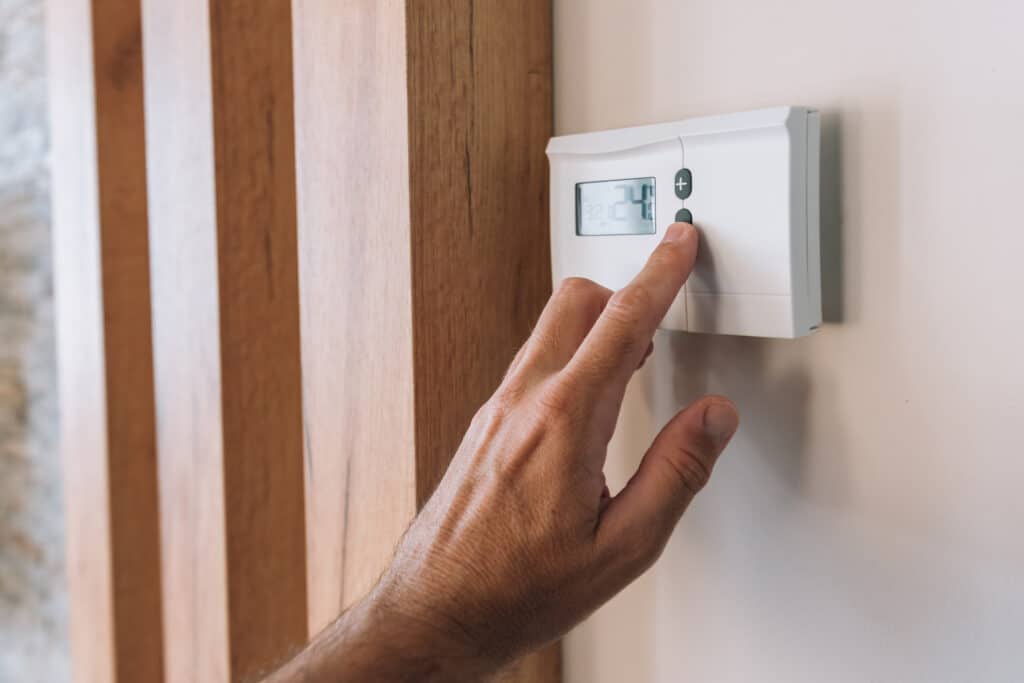
Heating repair for Smart Home Services focuses on the electrical and control parts of the system. First we do a visual check of wiring, panels, and control modules. Then we run simple electrical tests on thermostats, relays, and zone controls. Finally we repair or replace the failed parts and confirm the smart controls talk to the system again.
Common problems we fix include lost thermostat communication, zone control failures, failing relays or ignition parts, and broken fan motors. Smart thermostats can lose sync after power outages or software updates. Mechanical parts also wear from age or dirt. We address both the electronics and the moving parts to restore reliable heat.
Our technicians follow a clear, step-by-step repair process. We inspect, isolate the faulty circuit, test components, and then repair or swap the part. After repairs, we test the heater and confirm the smart controls respond. If a special part is needed, we explain options and expected timelines before ordering.
Safety and compliance guide every repair. We follow manufacturer specs for wiring, components, and setup to protect equipment and warranties. We cut power before handling electrical parts and use approved replacement parts and methods. These steps reduce risk for your home and for our technicians.
Cost depends on the issue, parts needed, and system complexity. Factors include the smart control type, ease of access to equipment, and whether zone wiring or a panel needs work. Typical repairs range from minor part fixes to larger component replacements. Request an inspection and we will provide a clear estimate with likely price ranges.
Burke Plumbing & Heating brings experienced electricians who work with advanced energy systems and smart controls. We explain the issue, the repair steps, and any risks before we begin. If your smart heating system shows warning signs, schedule an inspection to get an informed estimate for repair options.


WHAT IS Heating Repair?
A failing heater can show steady signs before it stops working. You might hear odd noises, feel uneven heat, smell burning, or see higher energy bills. These signs often point to worn parts, blocked airflow, or electrical faults. We focus on diagnosing those symptoms quickly.
Heating repair for Smart Home Services covers the electrical and control parts of a heating system. We start with a visual and electrical check to find obvious issues. Then we test thermostats, sensors, wiring, and zone controls that talk to your smart hub. Finally, we replace faulty parts and confirm the system works with your home automation setup.
Common problems we fix include thermostat communication failures, zone control errors, ignition faults, and broken fans. Smart thermostats can lose sync after power outages or software updates. Mechanical parts can wear from age or dirt buildup. We handle both the electronic and mechanical sides to restore reliable heat.
Technicians work step by step: inspect, test, isolate the fault, and repair or replace the part. Electrical tests check voltage and continuity of control circuits. We then verify the heater runs and the smart controls respond. If a replacement part is needed, we discuss options before ordering.
Safety and compliance matter during every repair. We follow manufacturer specs for wiring, components, and setup. We turn off power before touching electrical parts and use approved replacement parts. This keeps work safe and helps protect your equipment warranty.
Cost depends on the issue, parts needed, and system complexity. Factors include the smart control type, access to equipment, and whether a zone panel or wiring needs repair. Typical home heating repairs range from small part fixes to larger component replacements. For a clear estimate, request an inspection and we will outline likely cost ranges.
Burke Plumbing & Heating brings experienced electricians who work with advanced energy systems. We explain risks, timelines, and next steps before we begin. If your smart heating system shows signs of failure, schedule an inspection and get an estimate for repair options.
UNDERSTANDING Heating Repair
A failing heater can show steady signs before it stops working. You might hear odd noises, feel uneven heat, smell burning, or see higher energy bills. These signs often point to worn parts, blocked airflow, or electrical faults. We focus on diagnosing those symptoms quickly.
Heating repair for Smart Home Services covers the electrical and control parts of a heating system. We start with a visual and electrical check to find obvious issues. Then we test thermostats, sensors, wiring, and zone controls that talk to your smart hub. Finally, we replace faulty parts and confirm the system works with your home automation setup.
Common problems we fix include thermostat communication failures, zone control errors, ignition faults, and broken fans. Smart thermostats can lose sync after power outages or software updates. Mechanical parts can wear from age or dirt buildup. We handle both the electronic and mechanical sides to restore reliable heat.
Technicians work step by step: inspect, test, isolate the fault, and repair or replace the part. Electrical tests check voltage and continuity in control circuits. We then verify the heater runs and the smart controls respond. If a replacement part is needed, we discuss options before ordering.
We follow manufacturer specs and safety best practices during every repair. That means using approved parts and wiring methods for your model. We also shut down power before working on electrical connections. This reduces risk and helps protect warranties.
Cost depends on the issue, parts needed, and system complexity. Factors include the smart control type, access to equipment, and whether zone wiring or a panel needs repair. Typical home heating repairs range from minor fixes to larger component replacements. For a clear estimate, request an inspection and we will outline likely cost ranges.
Burke Plumbing & Heating brings experienced electricians who work with advanced energy systems. We explain risks, timelines, and next steps before we begin. If your smart heating system shows signs of failure, schedule an inspection to get an estimate for repair options.
Heating Repair EXPLAINED
A failing heater often gives clear warning signs before it quits. You may hear rattles or bangs, feel rooms heat unevenly, smell a faint burning odor, or see your energy bills climb. These signs can mean worn parts, blocked airflow, or an electrical control fault. We start by matching symptoms to likely causes so you know what needs attention.
For heating repair under Smart Home Services, we focus on the electrical and control side of the system. First we do a visual check of wiring, panels, and control modules. Next we run simple electrical tests on thermostats, relays, and zone controls. Finally we repair or replace the failed parts and confirm the smart controls talk to the system again.
Common fixes include restoring thermostat communication, repairing zone control panels, replacing failing relays or ignition components, and fixing fan motors. Smart thermostats can lose connection after power events or software updates. Mechanical parts also wear from age or dirt. We address both the electronics and the moving parts to get heat back on reliably.
Technicians follow a clear, step-by-step repair process. We inspect the system, isolate the faulty circuit, test components, and then repair or swap the part. After repairs, we test the whole system with your smart hub or thermostat. If a special part is required, we explain options and timelines before ordering.
Safety and compliance guide every job. We follow manufacturer specs for wiring and parts to protect equipment and warranties. We cut power before handling electrical components and use approved replacement parts. These steps reduce risk for your home and for our technicians.
Cost varies with the problem, the parts needed, and system complexity. Factors include the type of smart controls, access to equipment, and whether zone wiring or panels need work. Typical repairs range from small part fixes to larger component replacements. For a clear price range, request an inspection and we will provide an estimate.
Burke Plumbing & Heating brings experienced electricians who work on advanced energy systems and smart controls. We explain the issue, the repair steps, and any risks before we begin. If your smart heating system shows warning signs, schedule an inspection to get an informed estimate for repair options.
SIGNS YOU NEED PROFESSIONAL Heating Repair
A failing heater often gives clear warning signs before it quits. You may hear rattles or bangs, feel rooms heat unevenly, smell a faint burning odor, or see your energy bills climb. These signs can mean worn parts, blocked airflow, or an electrical control fault. We start by matching symptoms to likely causes so you know what needs attention.
For heating repair under Smart Home Services, we focus on the electrical and control side of the system. First we do a visual check of wiring, panels, and control modules. Next we run simple electrical tests on thermostats, relays, and zone controls. Finally we repair or replace the failed parts and confirm the smart controls talk to the system again.
Common fixes include restoring thermostat communication, repairing zone control panels, replacing failing relays or ignition parts, and fixing fan motors. Smart thermostats can lose connection after power outages or software updates. Mechanical parts also wear from age or dirt. We address both electronics and moving parts to get heat back on reliably.
Technicians follow a clear, step-by-step repair process. We inspect the system, isolate the faulty circuit, test components, and then repair or swap the part. After repairs, we test the whole system with your smart hub or thermostat. If a special part is required, we explain options and timelines before ordering.
Safety and compliance guide every job. We follow manufacturer specs for wiring and replacement parts to protect equipment and warranties. We cut power before handling electrical components and use approved parts and methods. These steps reduce risk for your home and for our technicians.
Cost varies with the problem, the parts needed, and system complexity. Factors include the type of smart controls, access to equipment, and whether zone wiring or panels need work. Typical repairs range from small part fixes to larger component replacements. For a clear price range, request an inspection and we will provide an estimate.
Burke Plumbing & Heating brings experienced electricians who work on advanced energy systems and smart controls. We explain the issue, the repair steps, and any risks before we begin. If your smart heating system shows warning signs, schedule an inspection to get an informed estimate for repair options.
Common Heating Repair Issues
A failing heater often gives clear warning signs before it quits. You may hear rattles or bangs, feel rooms heat unevenly, smell a faint burning odor, or see your energy bills climb. These signs can mean worn parts, blocked airflow, or an electrical control fault. We start by matching symptoms to likely causes so you know what needs attention.
For heating repair under Smart Home Services, we focus on the electrical and control parts of the system. First we do a visual check of wiring, panels, and control modules. Next we run simple electrical tests on thermostats, relays, and zone controls. Finally we repair or replace the failed parts and confirm the smart controls talk to your system again.
Common fixes include restoring thermostat communication, repairing zone control panels, replacing failing relays or ignition parts, and fixing fan motors. Smart thermostats can lose connection after power outages or software updates. Mechanical parts also wear from age or dirt. We address both the electronic controls and the moving parts to restore reliable heat.
Technicians follow a clear, step-by-step repair process. We inspect the system, isolate the faulty circuit, test components, and then repair or swap the part. After repairs, we test the whole system with your smart hub or thermostat. If a special part is needed, we explain options and timelines before ordering.
Safety and compliance guide every job. We follow manufacturer specs for wiring, components, and setup to protect equipment and warranties. We cut power before touching electrical parts and use approved replacement parts and methods. These steps reduce risk for your home and our technicians.
Cost depends on the problem, parts needed, and system complexity. Factors include the type of smart controls, access to equipment, and whether zone wiring or panels need repair. Typical home heating repairs range from small part fixes to larger component replacements. Request an inspection and we will provide a clear estimate with likely price ranges.
Burke Plumbing & Heating brings experienced electricians who work on advanced energy systems and smart controls. We explain the issue, the repair steps, and any risks before we begin. If your smart heating system shows warning signs, schedule an inspection to get an informed estimate for repair options.
WHY CHOOSE US?
A failing heater often gives clear warning signs before it stops working. You may hear rattles or bangs, feel rooms heat unevenly, smell a faint burning odor, or see your energy bills rise. These signs can mean worn parts, blocked airflow, or an electrical control fault. We start by matching symptoms to likely causes so you know what needs attention.
Heating repair for Smart Home Services focuses on the electrical and control parts of the system. First we do a visual check of wiring, panels, and control modules. Then we run simple electrical tests on thermostats, relays, and zone controls. Finally we repair or replace the failed parts and confirm the smart controls talk to the system again.
Common problems we fix include lost thermostat communication, zone control failures, failing relays or ignition parts, and broken fan motors. Smart thermostats can lose sync after power outages or software updates. Mechanical parts also wear from age or dirt. We address both the electronics and the moving parts to restore reliable heat.
Our technicians follow a clear, step-by-step repair process. We inspect, isolate the faulty circuit, test components, and then repair or swap the part. After repairs, we test the heater and confirm the smart controls respond. If a special part is needed, we explain options and expected timelines before ordering.
Safety and compliance guide every repair. We follow manufacturer specs for wiring, components, and setup to protect equipment and warranties. We cut power before handling electrical parts and use approved replacement parts and methods. These steps reduce risk for your home and for our technicians.
Cost depends on the issue, parts needed, and system complexity. Factors include the smart control type, ease of access to equipment, and whether zone wiring or a panel needs work. Typical repairs range from minor part fixes to larger component replacements. Request an inspection and we will provide a clear estimate with likely price ranges.
Burke Plumbing & Heating brings experienced electricians who work with advanced energy systems and smart controls. We explain the issue, the repair steps, and any risks before we begin. If your smart heating system shows warning signs, schedule an inspection to get an informed estimate for repair options.
FREQUENTLY ASKED QUESTIONS
How do I know if my smart heater needs repair or just a thermostat reset?
Look for steady warning signs like odd noises, uneven heat, a burning smell, or higher energy bills. If the smart thermostat briefly loses connection after a power event, a simple reset may help. Persistent communication failures, recurring errors, or mechanical noise usually mean a repair is needed.
What steps do technicians take during a smart heating repair?
Technicians follow a step-by-step process: visual inspection, electrical checks, testing thermostats and zone controls, isolating the fault, and then repairing or replacing parts. After the fix, they verify the heater runs and the smart controls talk to your hub. If a special part is needed, they explain options and timelines before ordering.
What common problems can you fix on smart heating electrical systems?
We handle lost thermostat communication, zone control failures, failing relays or ignition parts, and broken fan motors. We also clean or replace worn mechanical parts that affect control signals. Repairs address both electronic controls and moving parts to restore reliable heat.
How do you ensure repairs are safe and follow manufacturer rules?
Technicians turn off power before working on electrical components and use approved replacement parts and wiring methods. Work follows manufacturer specs to protect equipment and warranties. These steps reduce risk for your home and for the repair team.
How long will the repair take and how can I get an estimate?
Most repairs finish in a few hours for common faults. If a major part needs ordering, the technician will explain options and expected timelines. Request an inspection and Burke Plumbing & Heating will provide a clear estimate with likely price ranges.