






Heat Pump Installation
Heat pump installation replaces or adds a system that both heats and cools a building. Homeowners choose heat pumps to lower energy bills and improve comfort. Common reasons include switching from older heating systems, reducing fossil fuel use, or upgrading inefficient equipment.
We start with a site visit to review the building, ductwork, and electrical panel. The team sizes the unit based on home layout and insulation. We explain options like air-source or ductless mini-splits and which fits your needs.
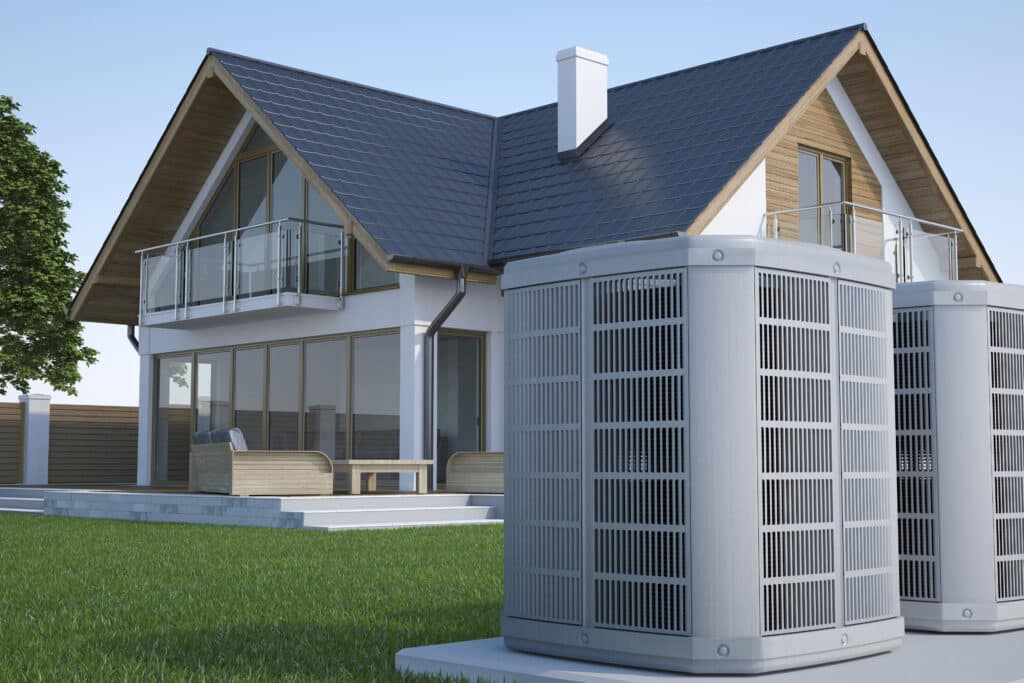
Installation begins with mounting the outdoor and indoor units and routing refrigerant lines. Technicians connect electrical circuits per manufacturer specs. We test the system for proper airflow, refrigerant charge, and safe operation before we leave.
Typical problems a new heat pump solves include uneven heating, high utility bills, and poor cooling. Heat pumps also offer a cleaner alternative to oil or propane. Homeowners often see more consistent indoor temperatures after installation.
Safety is a priority during every job. Technicians follow manufacturer specs and local codes for wiring and mounting. We turn off power, secure components, and verify all electrical connections are sound.
Cost depends on unit size, system type, electrical upgrades, and installation complexity. Prices can vary widely, and we provide a range during an estimate visit. We walk through the factors that affect cost so you can make a clear choice.
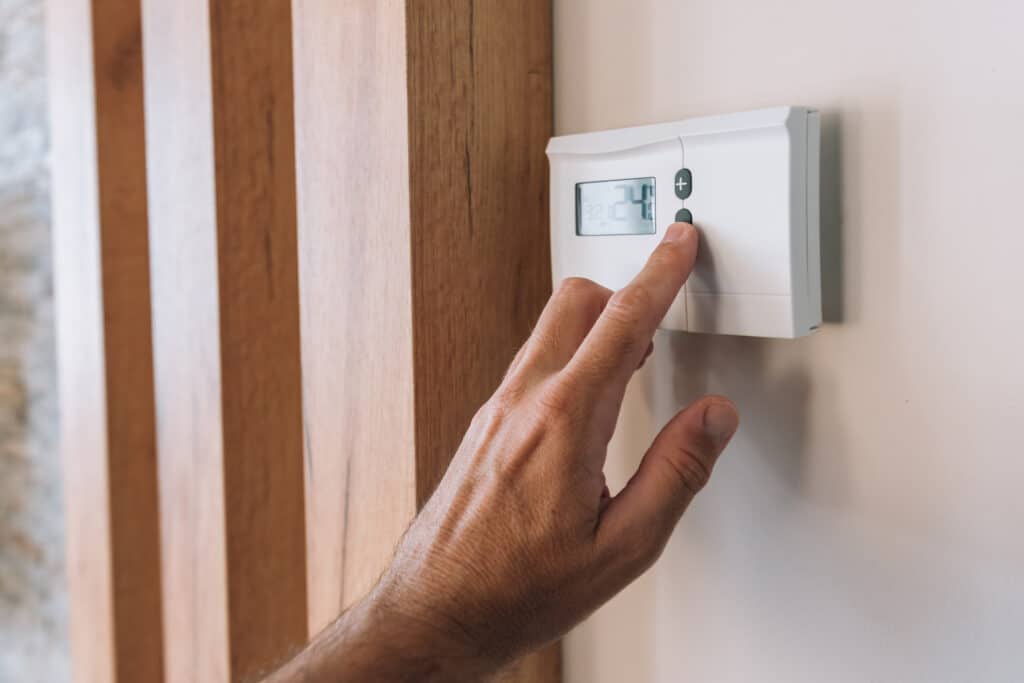
Our licensed electricians and technicians perform the work and explain each step. We show how to operate the thermostat and cover basic maintenance tips. If you want an estimated price, request a site visit and we will prepare one with no pressure.
WHY CHOOSE US?
Heat pump installation puts in a single system that both heats and cools a building. Homeowners often choose heat pumps to cut energy use, replace worn-out equipment, or move away from oil or propane. Common signs you need one include rising utility bills, uneven room temperatures, or a failing furnace or air conditioner.
The process begins with a site visit to inspect the building shell, ductwork, and electrical panel. We measure rooms, check insulation, and ask how you use heating and cooling. During that visit, we explain options like air-source systems and ductless mini-splits and recommend the best fit for your home.
On installation day, licensed electricians and technicians place the outdoor and indoor units, route refrigerant lines, and run wiring. All electrical work follows manufacturer specs to size breakers, add disconnects, and secure connections. We evacuate and charge refrigerant, balance airflow, and run tests to confirm safe operation before we leave.
This installation fixes issues like cold spots, weak cooling, and high energy bills from older systems. A correctly sized heat pump gives steadier indoor comfort and can lower monthly costs. It also reduces dependence on fossil fuels for home heating.
Common hurdles include limited electrical capacity, poor ductwork, and tight outdoor placement. Panel upgrades, additional wiring, or duct adjustments may be needed. We identify these needs during the site visit and explain why each affects performance and cost.
Safety and compliance guide every step of the job. Technicians shut off power, use required disconnects, and ground all electrical work. We follow manufacturer specs and local code for wiring, mounting, and refrigerant handling to keep the system safe and permitted.
Cost depends on unit type, system size, electrical upgrades, duct work needs, and installation complexity. We can share general price ranges during an estimate visit and explain which factors drive cost. We do not provide a final price until after a site inspection.
Our licensed electricians and experienced technicians perform the full installation and walk you through system controls and simple care steps. We show routine checks that keep the unit efficient and lasting longer. To get a clear, no-pressure estimate for your heat pump installation, request a site visit from Burke Plumbing & Heating.


WHAT IS Heat Pump Installation?
Heat pump installation puts in a system that heats and cools a building with one unit. Homeowners choose heat pumps to cut energy use, move away from oil or propane, or replace worn-out equipment. Typical reasons include uneven home temperatures, high bills, or a desire for cleaner heating.
The process begins with a site visit to inspect the building, existing ductwork, and electrical panel. We measure space, check insulation, and discuss your comfort goals. Options we review include air-source systems and ductless mini-splits so you understand what fits your home.
During installation, technicians mount outdoor and indoor units and route refrigerant lines and wiring. Electric work follows manufacturer specs and local codes to ensure safe power connections. We charge the system, balance airflow, and test operation before we leave.
This service fixes common problems like cold spots, weak cooling, and rising utility costs. A new heat pump can deliver steadier indoor temperatures and better energy efficiency. It also reduces reliance on fossil fuels for heating.
Safety and compliance guide every step of the job. Technicians shut off power, use proper disconnects, and secure all components. We follow manufacturer specs for wiring, refrigerant handling, and mounting to meet code requirements.
Cost depends on unit type, system size, electrical upgrades, and installation complexity. Ranges are possible depending on equipment and work needed, and we explain what drives price. We do not promise a final number until we see the site.
Licensed electricians and experienced technicians handle the full installation and show you system controls. We provide basic maintenance tips and explain warranty and service options. To get an estimate for your home, request a site visit and we will prepare one with no pressure.
UNDERSTANDING Heat Pump Installation
Heat pump installation puts in a system that both heats and cools a building using one unit. Homeowners often pick heat pumps to lower energy use, replace aging equipment, or stop using oil or propane. Common signs you need one include high utility bills, uneven temperatures, or a failing furnace or air conditioner.
The process begins with a site visit to inspect the building, ductwork, and electrical panel. We measure rooms, check insulation, and review how you use heating and cooling. At that visit, we explain the main options, like air-source systems and ductless mini-splits, and recommend what fits your space.
On install day, technicians set the outdoor unit and indoor unit in place and route refrigerant lines and wiring. Electric work follows manufacturer specs to size breakers and secure connections. We evacuate and charge refrigerant, balance airflow, and run tests to confirm safe operation before we leave.
This installation solves problems like cold rooms, weak cooling, and high energy costs. Heat pumps give more even temperatures and can reduce monthly bills when sized and installed correctly. They also offer a lower-emissions choice compared to fossil-fuel heating.
Safety and compliance are part of every job. Technicians shut off power and use the right disconnects and grounding. We follow manufacturer specs and local code for wiring, mounting, and refrigerant handling to keep the system safe and compliant.
Cost depends on unit type, system size, electrical upgrades, and how complex the install is. You may also need duct work, panel upgrades, or permits, which affect price. We provide general ranges during an estimate visit and explain the factors that drive cost.
Licensed electricians and experienced technicians perform the work and walk you through system controls and basic care. We explain routine checks to keep the unit efficient and reduce surprises. If you want an estimate, request a site visit and we will prepare one with no pressure.
Heat Pump Installation EXPLAINED
Heat pump installation puts in a single system that both heats and cools a building. Homeowners choose heat pumps to lower energy use, replace aging equipment, or move away from oil or propane. Common signs you need one include rising utility bills, uneven rooms, or a failing furnace or AC.
The process starts with a site visit to inspect the building shell, ductwork, and electrical panel. We measure rooms, check insulation, and ask about your comfort needs. At that visit, we explain options like air‑source systems and ductless mini‑splits and recommend what fits your space.
On installation day, technicians place the outdoor and indoor units and route refrigerant lines and wiring. Electric work follows manufacturer specs to size breakers, add disconnects, and secure connections. We evacuate and charge refrigerant, balance airflow, and run tests to confirm safe operation before we leave.
This service fixes cold spots, poor cooling, and high energy bills when the old system is worn or undersized. A properly sized heat pump gives steadier indoor temperatures and often lowers monthly costs. It also reduces reliance on fossil fuels for heating.
Safety and compliance guide every step of the job. Technicians shut off power, use the required disconnects, and ground electrical work. We follow manufacturer specs and local code for wiring, refrigerant handling, and mounting to keep the system safe and permitted.
Cost depends on unit type, system size, electrical upgrades, duct work needs, and installation complexity. Ranges are possible based on equipment and work required, and we explain what drives price during an estimate. We do not quote a final price without a site visit.
Licensed electricians and experienced technicians perform the full installation and explain system controls and basic care. We show simple maintenance steps to keep the unit efficient and lasting longer. To get a clear estimate for your home, request a site visit and we will prepare one with no pressure.
SIGNS YOU NEED PROFESSIONAL Heat Pump Installation
Heat pump installation puts in a single system that both heats and cools a building. Homeowners often choose heat pumps to cut energy use, replace worn-out equipment, or move away from oil or propane. Common signs you need one include rising utility bills, cold or hot spots in rooms, or a failing furnace or air conditioner.
The process starts with a site visit to inspect the building shell, ductwork, and electrical panel. We measure rooms, check insulation, and ask how you use heating and cooling. During that visit, we explain options like air-source systems and ductless mini-splits and recommend the best fit.
On installation day, technicians mount the outdoor and indoor units, route refrigerant lines, and run wiring. Electric work follows manufacturer specs to size breakers, add disconnects, and secure connections. We evacuate and charge refrigerant, balance airflow, and run tests to confirm safe operation before we leave.
This installation solves problems like uneven temperatures, weak cooling, and high energy costs from older systems. A properly sized heat pump gives steadier indoor comfort and can lower monthly bills. It also reduces reliance on fossil fuels for home heating.
Safety and compliance guide every step of the job. Technicians shut off power, use the required disconnects, and ground all electrical work. We follow manufacturer specs and local code for wiring, mounting, and refrigerant handling to keep the system safe and permitted.
Cost depends on the unit type, system size, electrical upgrades, duct work needs, and installation complexity. We can give general price ranges during an estimate visit and explain the factors that affect cost. We do not promise a final price without a site inspection.
Licensed electricians and experienced technicians perform the full installation and walk you through system controls and simple care. We show routine checks that keep the unit efficient and lasting longer. To get a clear, no-pressure estimate for your home, request a site visit from Burke Plumbing & Heating.
Common Heat Pump Installation Issues
Heat pump installation puts in a single system that both heats and cools a building. Homeowners often choose heat pumps to cut energy use, replace worn-out equipment, or move away from oil or propane. Common signs you need one include rising utility bills, cold or hot spots in rooms, or a failing furnace or air conditioner.
The process starts with a site visit to inspect the building shell, ductwork, and electrical panel. We measure rooms, check insulation, and ask how you use heating and cooling. During that visit, we explain options like air-source systems and ductless mini-splits and recommend the best fit.
On installation day, technicians mount the outdoor and indoor units, route refrigerant lines, and run wiring. Electric work follows manufacturer specs to size breakers, add disconnects, and secure connections. We evacuate and charge refrigerant, balance airflow, and run tests to confirm safe operation before we leave.
This installation fixes issues like uneven temperatures, weak cooling, and high energy costs from older systems. A properly sized heat pump gives steadier indoor comfort and can lower monthly bills. It also reduces reliance on fossil fuels for home heating.
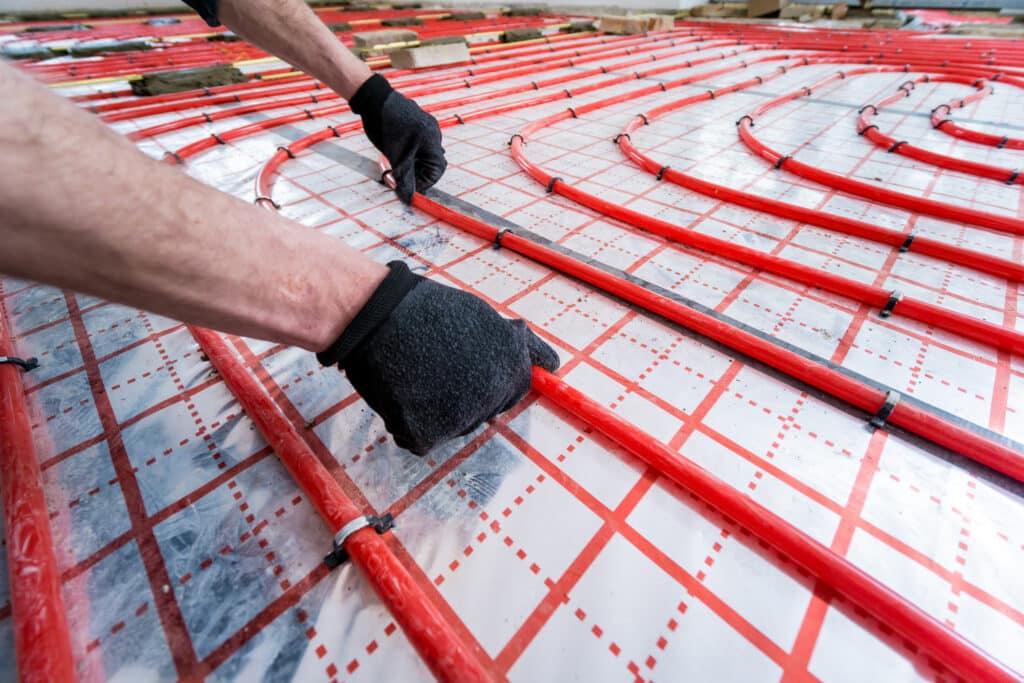
Common installation hurdles include undersized electrical service, poor ductwork, and limited outdoor clearance. Panel upgrades may be needed to handle a new compressor. Duct problems can cause poor airflow, and tight outdoor placement can reduce efficiency.
We address these issues by reviewing electrical capacity, measuring ducts, and planning outdoor unit placement during the site visit. If a panel upgrade, additional wiring, or duct adjustments are needed, we explain why. We follow manufacturer specs and local code for every change to ensure safe, compliant work.
Safety and compliance guide every step of the job. Technicians shut off power, use the required disconnects, and ground all electrical work. We follow manufacturer specs and handle refrigerant and wiring per code to keep the system safe and permitted.
Cost depends on unit type, system size, electrical upgrades, duct work needs, and installation complexity. We can give general price ranges during an estimate visit and explain the factors that affect cost. We do not offer a final price without a site inspection.
Licensed electricians and experienced technicians perform the full installation and walk you through system controls and basic care. We show routine checks that keep the unit efficient and lasting longer. To get a clear, no-pressure estimate for your heat pump installation, request a site visit from Burke Plumbing & Heating.
WHY CHOOSE US?
Heat pump installation puts in a single system that both heats and cools a building. Homeowners often choose heat pumps to cut energy use, replace worn-out equipment, or move away from oil or propane. Common signs you need one include rising utility bills, uneven room temperatures, or a failing furnace or air conditioner.
The process begins with a site visit to inspect the building shell, ductwork, and electrical panel. We measure rooms, check insulation, and ask how you use heating and cooling. During that visit, we explain options like air-source systems and ductless mini-splits and recommend the best fit for your home.
On installation day, licensed electricians and technicians place the outdoor and indoor units, route refrigerant lines, and run wiring. All electrical work follows manufacturer specs to size breakers, add disconnects, and secure connections. We evacuate and charge refrigerant, balance airflow, and run tests to confirm safe operation before we leave.
This installation fixes issues like cold spots, weak cooling, and high energy bills from older systems. A correctly sized heat pump gives steadier indoor comfort and can lower monthly costs. It also reduces dependence on fossil fuels for home heating.
Common hurdles include limited electrical capacity, poor ductwork, and tight outdoor placement. Panel upgrades, additional wiring, or duct adjustments may be needed. We identify these needs during the site visit and explain why each affects performance and cost.
Safety and compliance guide every step of the job. Technicians shut off power, use required disconnects, and ground all electrical work. We follow manufacturer specs and local code for wiring, mounting, and refrigerant handling to keep the system safe and permitted.
Cost depends on unit type, system size, electrical upgrades, duct work needs, and installation complexity. We can share general price ranges during an estimate visit and explain which factors drive cost. We do not provide a final price until after a site inspection.
Our licensed electricians and experienced technicians perform the full installation and walk you through system controls and simple care steps. We show routine checks that keep the unit efficient and lasting longer. To get a clear, no-pressure estimate for your heat pump installation, request a site visit from Burke Plumbing & Heating.
FREQUENTLY ASKED QUESTIONS
What does the site visit for a heat pump installation include?
We inspect the building shell, existing ductwork, and the electrical panel. We measure rooms, check insulation, and discuss your comfort needs. We also explain system options like air-source and ductless mini-splits and recommend the best fit.
How long does a typical heat pump installation take?
Install time varies with system type and job complexity. A straightforward ductless or air-source install often finishes in one to a few days. If panel upgrades or duct work are needed, the timeline extends and we explain that during the estimate.
What electrical or ductwork upgrades might be needed?
Common needs include panel upgrades, new breakers, or added disconnects to meet manufacturer specs. Poor or undersized ducts may need repairs or adjustments to ensure proper airflow. We identify required changes at the site visit and explain how each affects performance and cost.
What safety and code steps do your technicians follow?
Licensed electricians follow manufacturer specs and local code for wiring and mounting. Technicians shut off power, use proper disconnects, ground circuits, and handle refrigerant per rules. We test airflow, refrigerant charge, and system operation before leaving.
How do you provide pricing and what should I expect from an estimate?
Cost depends on unit type, system size, electrical work, duct needs, and installation complexity. We share general price ranges during a site visit and walk through the factors that drive cost. Request a site visit for a clear, no-pressure estimate from Burke Plumbing & Heating.