






Repiping
Repiping replaces old or damaged water pipes in homes or businesses. This service fixes frequent leaks, low water pressure, and rusty or discolored water. It also helps when pipe materials reach the end of their life or fail manufacturer specs. Customers often choose repiping to avoid repeated repairs and water damage.
We start with an inspection to find problem pipes and plan the job. Then we explain pipe material options and the installation steps. The crew isolates water, removes old lines, and runs new pipes with minimal disruption. We test the system and show you how to check for leaks and pressure.
Common reasons for repiping include pinhole leaks, corrosion, and failing pipe joints. Older metal pipes often leak or clog from corrosion. Poor water quality can speed up pipe wear. Repiping resolves these issues and restores reliable water flow.
Safety and compliance matter during repiping. We follow manufacturer specs for pipe and fittings. We also adhere to local codes for pressure, supports, and connections. Proper installation reduces risk of future leaks and preserves warranties.
Cost depends on pipe material, building size, and access to existing lines. Other factors include fixture count and any required drywall or ceiling repair. We can give a general price range during the inspection and explain what affects cost. Final pricing comes after we see the job and measure materials and labor.
Our team has long experience working on electrical and plumbing systems together. We coordinate with other trades to avoid conflicts with wiring and controls. You get clear timelines and a safety-first crew on site. Afterward we leave work areas clean and confirm system performance with you.
If you want an estimate or to schedule an inspection, contact Burke Plumbing & Heating for a no-pressure consultation. We will review options, show expected timelines, and provide a written estimate. An on-site visit gives the most accurate cost and scope. Request your estimate today to learn next steps.
WHY CHOOSE US?
Repiping replaces worn or damaged water pipes in a home or commercial building. This service solves frequent leaks, low water pressure, and rusty or discolored water. It also fixes systems that no longer meet manufacturer specs or that need full replacement. Customers choose repiping to stop repeat repairs and prevent water damage.
We begin with an on-site inspection to locate problem lines and note access points. Then we explain pipe material options and outline the installation steps in plain language. The crew shuts off the water, removes old sections where needed, and runs new pipes with care to limit disruption. We finish by pressure-testing the system and checking every connection for leaks.
Common signs you need repiping include pinhole leaks, frequent spot repairs, and brown or metallic-tasting water. Low water pressure and visible corrosion also point to failing pipes. If repairs keep failing, a full repipe often costs less over time and reduces future disruption. Repiping restores steady flow and cleaner water.
Material choice affects lifespan, how the work runs, and cost. During the inspection we explain options and why one may fit your building and budget. We follow manufacturer specs for pipes, fittings, and supports during installation to protect warranties. Using the right parts and methods lowers the chance of future leaks.
Safety and compliance guide every repipe. We isolate water and use safe work steps to protect your property and family. When plumbing runs near electrical wiring or controls, we coordinate with trades to avoid conflicts. Final pressure tests and visual checks confirm the system meets manufacturer specs and is safe to use.
Price depends on pipe material, building size, and how easy existing lines are to reach. Fixture count, required wall or ceiling repairs, and permit needs also affect cost. We can provide general price ranges during the inspection and explain what changes the total. A written estimate after an on-site review gives the most accurate cost.
Burke Plumbing & Heating brings hands-on experience with complex installations and site coordination. We keep you informed at each step, work cleanly, and focus on a safe, durable result. If you’d like an estimate or to schedule an inspection, contact us for a no-pressure consultation and a written quote after we review the site.


WHAT IS Repiping?
Repiping replaces old or damaged water pipes in a home or building. This service fixes leaks, low water pressure, and discolored water. It also solves recurring pipe failures that repair work no longer stops. People choose repiping to prevent more damage and repeated service calls.
We begin with a visual inspection and basic testing to map problem lines. Next we review pipe material options and the installation plan with you. The crew shuts off water, removes the old pipe sections, and runs new lines while minimizing disruption. Finally we pressure-test the system and check every connection before leaving.
Repiping often follows pinhole leaks, widespread corrosion, or many failing joints. It also makes sense when original pipe material no longer meets manufacturer specs. Poor water quality or frequent repairs are common reasons to replace whole sections. Replacing pipes restores steady water flow and lowers future repair needs.
Installed pipe types vary by durability, cost, and code compatibility. We explain pros and cons so you can choose what fits your building and budget. The team follows manufacturer specs for fittings, seals, and supports during installation. Proper materials and installation help keep warranties valid and reduce risk of leaks.
Safety is part of every job. We isolate water and follow safe work steps to protect your property. If electrical or control wiring is nearby, we coordinate to avoid conflicts. Pressure testing and visual checks confirm the system is safe to use when we finish.
Cost depends on pipe material, building size, and how easy the existing lines are to reach. Fixture count, wall or ceiling repairs, and permit needs also affect price. We can give general price ranges during the inspection and explain what changes cost. A written estimate after the on-site review gives the most accurate total.
Burke Plumbing & Heating brings practical experience with complex installs and site coordination. We work cleanly and keep you informed at each step. If you want an estimate or to schedule an inspection, contact us for a no-pressure consultation. We will review options, timelines, and provide a written estimate after an on-site visit.
UNDERSTANDING Repiping
Repiping replaces old or failing water pipes in a home or commercial building. This service fixes frequent leaks, low water pressure, and rusty or discolored water. It also addresses systems that no longer meet manufacturer specs or that need full replacement. People choose repiping to stop repeat repairs and prevent water damage.
We start with an on-site inspection to find problem lines and access points. Then we review pipe material choices and the step-by-step installation plan with you. The crew shuts off water, removes old piping as needed, and runs new lines with minimal disruption. We finish by pressure-testing the system and checking every connection for leaks.
Common triggers for repiping include pinhole leaks, corrosion, and many failing joints. Old metal pipes can corrode, clog, or shed rust into the water. Poor water quality and frequent spot repairs often point to a need for full replacement. Repiping restores consistent water flow and lowers future repair needs.
Material choice affects durability, cost, and code compatibility. We explain pros and cons so you can pick what suits your building and budget. During installation we follow manufacturer specs for pipes, fittings, and supports. Correct materials and methods help keep warranties valid and reduce leak risk.
Safety and compliance guide every job step. We isolate water and use safe work practices to protect your property. If wiring or controls are nearby, we coordinate with electrical trades to avoid conflicts. Final pressure tests and visual checks confirm the system is ready to use.
Price varies with pipe material, building size, and access to existing lines. Fixture count, repairs to walls or ceilings, and permit needs also affect cost. We provide general price ranges during the inspection and explain what changes cost. A written estimate after the on-site review gives the most accurate total.
Burke Plumbing & Heating brings practical experience with complex installations and site coordination. We work cleanly, keep you informed, and follow industry best practices on every job. If you’d like an estimate or to schedule an inspection, contact us for a no-pressure consultation and a written quote after we review the site.
Repiping EXPLAINED
Repiping replaces old or failing water pipes in a home or building. This service fixes frequent leaks, low water pressure, and rusty or discolored water. It also covers systems that no longer meet manufacturer specs or that need full replacement. Homeowners choose repiping to stop repeat repairs and avoid water damage.
We begin with an on-site inspection to find problem lines and access points. Then we review pipe material choices and outline the installation plan step by step. The crew isolates the water, removes old piping where needed, and runs new lines with minimal disruption. We finish by pressure-testing the system and checking every connection for leaks.
Common reasons for repiping include pinhole leaks, corrosion, and many failing joints. Older metal pipes can corrode, clog, or shed rust into the water. Frequent spot repairs or poor water quality often mean a full replacement is the better long-term choice. Repiping restores reliable water flow and reduces future service calls.
Material choice affects durability, cost, and code compatibility. We explain the pros and cons so you can pick the best option for your building and budget. During installation we follow manufacturer specs for pipes, fittings, and supports. Using the right materials and methods helps keep warranties valid and lowers leak risk.
Safety and compliance guide every job step. We isolate water and use safe practices to protect your property and family. If wiring or controls are nearby, we coordinate with electrical trades to avoid conflicts. Final pressure tests and visual checks confirm the system is safe and ready to use.
Cost depends on pipe material, building size, and how easy existing lines are to reach. Fixture count, wall or ceiling repairs, and permit needs also affect price. We can give general price ranges during the inspection and explain which factors change cost. A written estimate after the on-site review gives the most accurate total.
Burke Plumbing & Heating brings hands-on experience with complex installs and site coordination. We keep you informed, work cleanly, and follow industry best practices on every job. If you would like an estimate or to schedule an inspection, contact us for a no-pressure consultation and a written quote after we review the site.
SIGNS YOU NEED PROFESSIONAL Repiping
Repiping replaces old or failing water pipes in a home or building. This service fixes frequent leaks, low water pressure, and rusty or discolored water. It also solves systems that no longer meet manufacturer specs or that need full replacement. Homeowners choose repiping to stop repeat repairs and avoid water damage.
We begin with an on-site inspection to locate problem lines and check access points. Then we review pipe material options and walk you through the installation steps. The crew isolates the water, removes old sections as needed, and runs new lines with minimal disruption. We finish by pressure-testing the system and checking every connection for leaks.
Common signs you need repiping include pinhole leaks, repeated repairs, and visible corrosion. Low water pressure and brown or metallic-tasting water are also red flags. If many joints fail or repairs don’t hold, a full replacement often costs less over time. Repiping restores steady water flow and reduces future service calls.
Material choice affects lifespan, cost, and code compatibility, so we explain each option clearly. During installation we follow manufacturer specs for pipes, fittings, and supports. Proper parts and correct installation help keep warranties valid and lower leak risk. We also coordinate with other trades when wiring or controls are nearby.
Safety and compliance guide every repipe. We isolate water and use safe practices to protect your property. We pressure-test and visually inspect all work before we finish. These steps help ensure the system meets manufacturer specs and local requirements.
Price varies with pipe material, building size, and how easy existing lines are to reach. Fixture count, wall or ceiling repairs, and permit needs also affect cost. We can give general price ranges during the inspection and explain which factors change the total. A written estimate after the on-site review provides the most accurate cost.
Burke Plumbing & Heating brings hands-on experience with complex installs and site coordination. We work cleanly, keep you informed, and follow industry best practices on every job. If you’d like an estimate or to schedule an inspection, contact us for a no-pressure consultation and a written quote after an on-site visit.
Common Repiping Issues
Repiping fixes failing water pipes in homes or commercial buildings. This service stops frequent leaks, low water pressure, and rusty or discolored water. It also covers systems that no longer meet manufacturer specs or that show widespread wear. People choose repiping to avoid repeated repairs and water damage.
We start with an on-site inspection to find problem lines and access points. Then we explain pipe material options and outline the installation plan step by step. The crew isolates water, removes old sections as needed, and runs new lines with minimal disruption. We finish by pressure-testing the system and checking every connection for leaks.
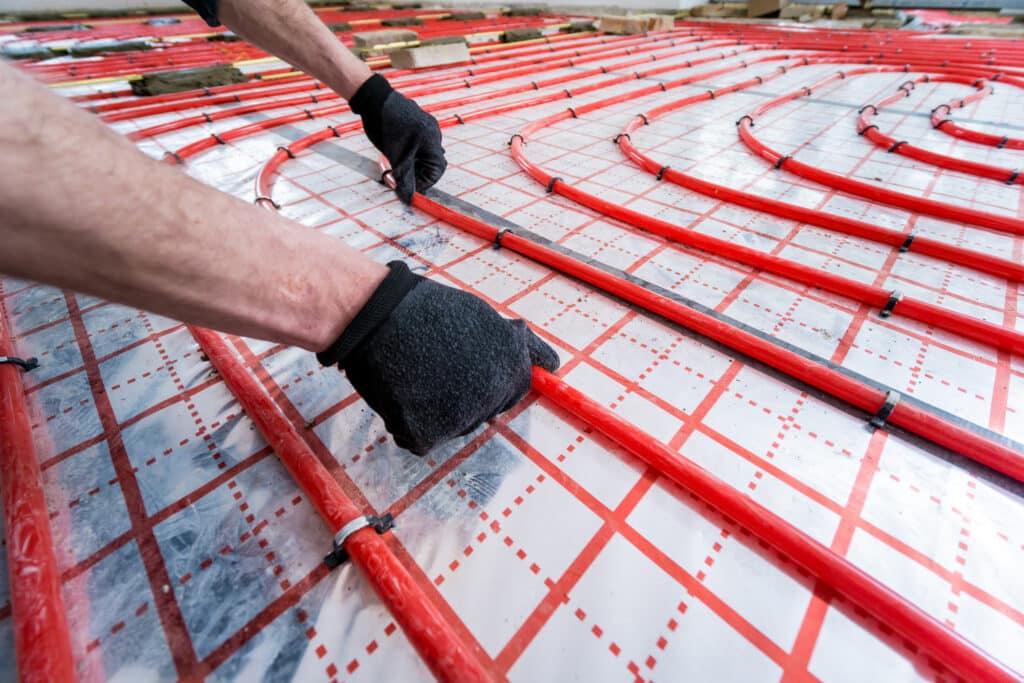
Common triggers for repiping include pinhole leaks, corrosion, and many failing joints. Pinhole leaks are small but frequent and can lead to hidden water damage. Corrosion can clog pipes and release rust into your water. When repairs pile up, full repiping often becomes the smarter long-term choice.
Other issues that lead to repiping are low water pressure and poor water quality. Low pressure can come from internal pipe buildup or many small leaks. Cloudy, metallic, or brown water often points to degraded pipe material. Replacing lines restores steady flow and cleaner water.
Access problems and repeated drywall or ceiling repairs also push owners toward repiping. If crews must cut many access holes to fix leaks, replacing entire runs reduces future damage. Repiping can lower ongoing repair costs and minimize future disruption to walls and ceilings.
Safety and compliance matter during every repipe. We follow manufacturer specs for pipes, fittings, and supports. We also coordinate with electrical work when wiring runs near plumbing. Final pressure tests and visual checks ensure the new system meets standards before we leave.
Price varies with pipe material, building size, and how easy the old lines are to reach. Fixture count, wall or ceiling repairs, and permit needs also affect cost. We can give general price ranges during the inspection and explain which factors change the total. A written estimate after an on-site review gives the most accurate cost.
Burke Plumbing & Heating brings hands-on experience with complex installs and trade coordination. We keep you informed, work cleanly, and follow best practices on every job. If you’d like an estimate or to schedule an inspection, contact us for a no-pressure consultation and a written quote after we review the site.
WHY CHOOSE US?
Repiping replaces worn or damaged water pipes in a home or commercial building. This service solves frequent leaks, low water pressure, and rusty or discolored water. It also fixes systems that no longer meet manufacturer specs or that need full replacement. Customers choose repiping to stop repeat repairs and prevent water damage.
We begin with an on-site inspection to locate problem lines and note access points. Then we explain pipe material options and outline the installation steps in plain language. The crew shuts off the water, removes old sections where needed, and runs new pipes with care to limit disruption. We finish by pressure-testing the system and checking every connection for leaks.
Common signs you need repiping include pinhole leaks, frequent spot repairs, and brown or metallic-tasting water. Low water pressure and visible corrosion also point to failing pipes. If repairs keep failing, a full repipe often costs less over time and reduces future disruption. Repiping restores steady flow and cleaner water.
Material choice affects lifespan, how the work runs, and cost. During the inspection we explain options and why one may fit your building and budget. We follow manufacturer specs for pipes, fittings, and supports during installation to protect warranties. Using the right parts and methods lowers the chance of future leaks.
Safety and compliance guide every repipe. We isolate water and use safe work steps to protect your property and family. When plumbing runs near electrical wiring or controls, we coordinate with trades to avoid conflicts. Final pressure tests and visual checks confirm the system meets manufacturer specs and is safe to use.
Price depends on pipe material, building size, and how easy existing lines are to reach. Fixture count, required wall or ceiling repairs, and permit needs also affect cost. We can provide general price ranges during the inspection and explain what changes the total. A written estimate after an on-site review gives the most accurate cost.
Burke Plumbing & Heating brings hands-on experience with complex installations and site coordination. We keep you informed at each step, work cleanly, and focus on a safe, durable result. If you’d like an estimate or to schedule an inspection, contact us for a no-pressure consultation and a written quote after we review the site.
FREQUENTLY ASKED QUESTIONS
How do you determine whether my building needs a full repipe or just spot repairs?
We start with an on-site inspection and basic pressure testing to map problem lines. If leaks are widespread or many joints fail, a full repipe is often the better long-term choice. We explain the trade-offs and show which option reduces future repairs. A written estimate follows the inspection.
What pipe material options do you offer and how do you help me choose?
We review common materials and explain durability, cost, and code compatibility in plain language. Our team compares each option against your building, budget, and water quality. We follow manufacturer specs for any parts we use to protect warranties. You get a clear recommendation and expected timeline.
What should I expect during the repiping installation process?
The crew shuts off water, removes old sections as needed, and runs new lines while limiting disruption. We pressure-test the system and inspect every connection before we finish. We coordinate with other trades if wiring or controls are nearby. Work areas are left clean and we review how to check for leaks.
How is safety and code compliance handled during repiping?
We follow manufacturer specs for pipes, fittings, and supports to meet standards. We also adhere to local code requirements for pressure and connections. When electrical work is nearby, we coordinate to avoid conflicts. Final pressure tests and visual checks confirm compliance before we leave.
How much will repiping cost and how do you provide an estimate?
Cost depends on pipe material, building size, access to existing lines, and fixture count. We explain which factors raise or lower the price and can share general ranges during the inspection. A written estimate with final pricing comes after an on-site review and measurements. Contact us to schedule an inspection and get an estimate.