










Geothermal Installation
Geothermal installation links a home or business to steady ground heat. This system uses underground loops and an indoor unit to move heat in or out of the building. Homeowners choose geothermal to cut energy bills and lower carbon footprint. We explain the process so you know what to expect.
First we review options for your property and needs. We look at lot size, soil type, and heating or cooling needs. We explain loop types, heat pump sizes, and where equipment will sit. This helps you pick the right system for comfort and efficiency.
Next we plan the site and get equipment per manufacturer specs. Planning shows where trenches or boreholes go. We schedule work to limit disruption and protect landscaping. We follow manufacturer instructions to keep warranties valid.
Installation starts with digging and placing ground loops. Technicians connect loops and run refrigerant or water lines to the indoor unit. They mount the heat pump and hook up electrical and duct or hydronic lines. Finally, they fill, test, and balance the system for steady operation.
Common problems geothermal fixes include high energy bills, uneven heating, and aging furnaces. It also works well when homeowners want a long-term replacement with low maintenance. Geothermal delivers steady temperatures and quieter operation than many systems.
Safety and compliance guide each step. We follow electrical codes and manufacturer requirements. Technicians use safety gear and test all electrical connections. This reduces risk and ensures reliable performance.
Costs vary with loop type, digging depth, and system size. Land access, soil conditions, and existing ductwork also affect price. We provide general ranges and explain what drives costs for your project. Final quotes come after a site assessment.
Our team has years of hands-on geothermal experience and works with licensed electricians. We manage permits and follow code and manufacturer guidelines. You will get clear timelines and regular updates during the job. Contact us to schedule an on-site estimate and learn your options.
WHY CHOOSE US?
We start every geothermal installation with a clear, step-by-step plan so you know what will happen and when. First, we inspect your property to check soil, yard space, and any existing duct or hydronic systems. Then we explain loop types, heat pump sizes, equipment locations, and the expected schedule. This upfront process helps prevent surprises and sets clear expectations.
During planning we follow manufacturer specs and local codes to protect warranties and safety. We size the heat pump from a detailed load review, not a guess. We outline trenching or drilling needs and show where crews will work. That keeps the job compliant and the system reliable.
On installation day our team digs or drills loops, connects them to the indoor heat pump, and ties in electrical and duct or hydronic lines. Licensed electricians handle all wiring and breaker work and test each connection. Technicians fill and charge the system per manufacturer instructions and run performance tests. We only leave when the system runs steady and controls work as intended.
Geothermal installation solves common problems like high energy bills, uneven temperatures, and aging furnaces or boilers. It gives steady heating and cooling with quieter operation than many systems. Homeowners replacing old equipment or seeking long-term savings often choose geothermal for those benefits.
We pay careful attention to safety, code, and warranty details at each step. Crews wear protective gear, secure excavations, and test electrical systems. We follow manufacturer installation guides exactly to keep warranties valid. Permits and inspections are handled so you do not have to worry.
Costs depend on loop type, drilling or trenching depth, system size, soil conditions, and site access. Trenching usually costs less but needs more yard space, while drilling costs more but fits smaller lots. We explain the factors that drive cost and share general price ranges during the assessment. A firm quote comes after an on-site inspection.
Burke Plumbing & Heating brings hands-on geothermal experience and teams licensed electricians with our install crews. We manage permits, follow specs, and keep you updated through the project. Contact us to schedule an on-site estimate and review the best geothermal options for your property.


WHAT IS Geothermal Installation?
Geothermal installation links a building to steady ground temperature to heat and cool the space. The system uses buried loops and an indoor heat pump to move heat in or out. Homeowners choose geothermal to lower energy bills and to get consistent indoor comfort. Burke Plumbing & Heating explains the process so you know what to expect.
We start by reviewing options for your property and needs. We check lot size, soil type, existing ductwork, and your heating and cooling goals. Then we explain loop types, heat pump sizes, and likely equipment locations. That helps you pick a system that fits your home or business.
Next we create a site plan and order equipment to meet manufacturer specs. The plan shows where trenches or boreholes go and how crews will protect landscaping. We schedule work to limit disruption to your day. Following manufacturer specs keeps warranties valid and work compliant.
On installation day, crews dig or drill and place the ground loops. Technicians connect the loops to the indoor heat pump and run the water or refrigerant lines. We mount the heat pump, tie in electrical and duct or hydronic lines, and set controls. The system is then filled, tested, and balanced for steady operation.
Geothermal systems solve problems like high energy bills, uneven heat, and old, inefficient furnaces or boilers. They provide steady temperatures and can cut heating and cooling costs over time. They also run quietly and need less frequent service than many conventional systems.
Safety and code compliance guide every step of the job. Our crews work to electrical codes and follow manufacturer installation instructions. Technicians wear safety gear and test all electrical and control connections. This reduces risk and keeps the system reliable.
Costs depend on loop type, drilling or trenching depth, system size, and site access. Soil conditions, landscaping impact, and existing systems also affect price. We can give general price ranges and explain the factors that drive cost for your property. A final price comes after an on-site assessment.
Burke Plumbing & Heating brings hands-on geothermal experience and works with licensed electricians for safe, code-compliant installs. We handle permits, follow manufacturer specs, and keep you informed through the project. Contact us to schedule an on-site estimate and review options for geothermal installation.
UNDERSTANDING Geothermal Installation
Geothermal installation links a building to steady ground temperature to heat and cool the space. The system uses buried loops and an indoor heat pump to move heat in or out. Homeowners choose geothermal to lower energy bills and get consistent indoor comfort. Burke Plumbing & Heating explains the process so you know what to expect.
We start by reviewing options for your property and needs. We check lot size, soil type, existing ductwork, and your heating and cooling goals. Then we explain loop types, heat pump sizes, and likely equipment locations. That helps you pick a system that fits your home or business.
Next we create a site plan and order equipment to meet manufacturer specs. The plan shows where trenches or boreholes go and how crews will protect landscaping. We schedule work to limit disruption to your day. Following manufacturer specs keeps warranties valid and work compliant.
On installation day, crews dig or drill and place the ground loops. Technicians connect the loops to the indoor heat pump and run the water or refrigerant lines. We mount the heat pump, tie in electrical and duct or hydronic lines, and set controls. The system is then filled, tested, and balanced for steady operation.
Geothermal systems solve problems like high energy bills, uneven heat, and old, inefficient furnaces or boilers. They provide steady temperatures and can reduce heating and cooling costs over time. They also run quietly and need less frequent service than many conventional systems.
Safety and code compliance guide every step of the job. Our crews follow electrical codes and the manufacturer installation instructions. Technicians wear safety gear and test all electrical and control connections. This reduces risk and helps ensure reliable performance.
Costs vary with loop type, drilling or trenching depth, system size, and site access. Soil conditions, landscaping impact, and existing systems also affect price. We can give general price ranges and explain the factors that drive cost for your property. A final price comes after an on-site assessment.
Burke Plumbing & Heating brings hands-on geothermal experience and works with licensed electricians for safe, code-compliant installs. We handle permits, follow manufacturer specs, and keep you informed through the project. Contact us to schedule an on-site estimate and review options for geothermal installation.
Geothermal Installation EXPLAINED
Geothermal installation links a building to steady ground temperature to heat and cool the space. The system uses buried loops and an indoor heat pump to move heat in or out. Homeowners choose geothermal to lower energy bills and get consistent indoor comfort. Burke Plumbing & Heating explains the process so you know what to expect.
We begin with a site review to match the system to your property. We check lot size, soil type, existing ductwork, and your heating and cooling goals. Then we explain loop types, heat pump sizes, and likely equipment locations. That helps you pick a system that fits your home or business.
Next we create a site plan and order equipment to meet manufacturer specs. The plan shows where trenches or boreholes go and how crews will protect landscaping. We schedule work to limit disruption to your day and preserve site access. Following manufacturer specs keeps warranties valid and work compliant.
On installation day, crews dig or drill and place the ground loops in the prepared trenches or boreholes. Technicians connect the loops to the indoor heat pump and run water or refrigerant lines. We mount the heat pump, tie in electrical and duct or hydronic lines, and set controls. Finally, the system is filled, tested, and balanced for steady operation.
Geothermal systems fix problems like high energy bills, uneven heating, and aging furnaces or boilers. They give steady temperatures, quieter operation, and lower ongoing service needs than many systems. They also work well for owners planning a long-term upgrade. We explain expected performance and payback during the estimate.
Safety and compliance guide every step of the job. Our crews follow electrical codes and all manufacturer installation instructions. Technicians use safety gear and test electrical and control connections before leaving site. This reduces risk and helps ensure reliable, long-term operation.
Costs vary with loop type, drilling or trenching depth, system size, and site access. Soil conditions, landscaping impact, and existing systems also influence price. We provide general price ranges and explain the factors that drive cost for your property. A firm quote comes after a detailed on-site assessment.
Burke Plumbing & Heating brings hands-on geothermal experience and works with licensed electricians for safe, code-compliant installs. We handle permits, follow manufacturer specs, and keep you informed through the project. Contact us to schedule an on-site estimate and review the best geothermal options for your property.
SIGNS YOU NEED PROFESSIONAL Geothermal Installation
If your heating or cooling bills keep rising despite regular service, geothermal might help. These systems use stable ground temperatures to cut energy use. High utility costs over several seasons often point to a need for a more efficient system.
You may have uneven temperatures in different rooms. Geothermal systems move heat more evenly than many furnaces or window units. If some areas stay too hot or too cold, a geothermal system can deliver steadier comfort.
Your furnace, boiler, or air conditioner is older and needs frequent repairs. Geothermal systems last longer and need less service. Replacing an aging system with geothermal can reduce repair time and give long-term savings.
You want quieter operation and less outdoor equipment clutter. Geothermal heat pumps run quietly and hide most hardware underground. Homeowners who value a quiet home and neat yard often choose geothermal.
Your property has usable yard space or drilling access for ground loops. Geothermal needs room for trenches or boreholes. If your lot allows it, installation becomes simpler and less disruptive.
You want to lower your carbon footprint and seek a long-term upgrade. Geothermal uses less fossil fuel and can cut emissions for years. Many homeowners choose it for both cost and environmental reasons.
Before installing, we inspect the site, check soil and access, and review your comfort goals. We follow manufacturer specs to size the system and plan the loop layout. This assessment shows whether geothermal fits your home and budget.
Burke Plumbing & Heating applies hands-on experience and works with licensed electricians for safe, code-compliant installs. We explain options, likely costs, and the installation timeline. Contact us to schedule an on-site estimate and learn if geothermal is right for your property.
Common Geothermal Installation Issues
Common geothermal installation issues often start with site limitations like small yards or rocky soil. Limited space can force deeper drilling or a different loop type. Rocky or clay-heavy soil can slow digging and raise labor needs. We review these limits early to avoid surprises.
Incorrect system sizing causes poor comfort and higher running costs. A heat pump that is too small won’t meet demand. One that is too large can short-cycle and waste energy. We follow manufacturer specs and a detailed load assessment to size systems properly.
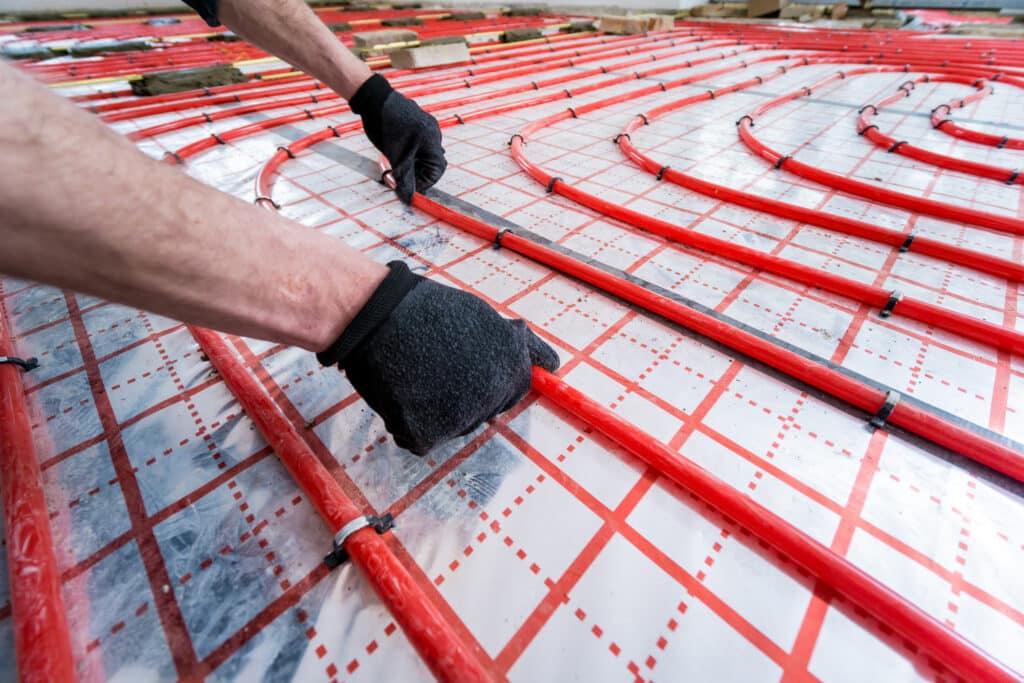
Poor loop installation leads to low efficiency and uneven performance. Loops must sit at the right depth and spacing to get steady ground temperature. Improper backfill or damaged loops can cause leaks or reduced heat transfer. Our crews install and inspect loops to meet manufacturer requirements.
Electrical connection mistakes create safety risks and service failures. Geothermal heat pumps need correct breakers, wiring, and controls. Loose connections, wrong wire size, or missing ground can trip systems or cause faults. Licensed electricians on our team handle all electrical work and test each circuit.
Improper charge or fluid fill affects system operation and longevity. Too much or too little refrigerant or antifreeze reduces efficiency and can harm the compressor. Technicians follow manufacturer procedures for charging and leak testing. We also document pressures and temperatures for your records.
Poor integration with existing duct or hydronic systems can give uneven temperatures. Ductwork that leaks or is the wrong size limits system performance. Hydronic ties must match flow rates and controls. We inspect and recommend duct or piping fixes during the install.
Site restoration and landscaping complaints are common after trenching or drilling. Disturbed yards, driveways, and gardens need proper backfill and cleanup. We plan protective measures and restore disturbed areas to minimize lasting impact. Clear scheduling and communication reduce homeowner disruption.
Permitting and warranty missteps can delay service and void protection. Not following local codes or manufacturer install steps can affect warranties. We handle permits, follow electrical and building codes, and document compliance. This protects your warranty and avoids last-minute fixes.
Costs vary with loop type, drilling depth, soil conditions, and system size. Trenching usually costs less than deep drilling but needs more yard space. Other factors include access, restoration needs, and required electrical upgrades. We explain these factors and give general price ranges during the site visit.
Burke Plumbing & Heating brings practical geothermal experience and works with licensed electricians to prevent common issues. We follow manufacturer specs, run thorough tests, and keep you informed at each step. Contact us to schedule an on-site estimate and get a clear plan for your geothermal installation.
WHY CHOOSE US?
We start every geothermal installation with a clear, step-by-step plan so you know what will happen and when. First, we inspect your property to check soil, yard space, and any existing duct or hydronic systems. Then we explain loop types, heat pump sizes, equipment locations, and the expected schedule. This upfront process helps prevent surprises and sets clear expectations.
During planning we follow manufacturer specs and local codes to protect warranties and safety. We size the heat pump from a detailed load review, not a guess. We outline trenching or drilling needs and show where crews will work. That keeps the job compliant and the system reliable.
On installation day our team digs or drills loops, connects them to the indoor heat pump, and ties in electrical and duct or hydronic lines. Licensed electricians handle all wiring and breaker work and test each connection. Technicians fill and charge the system per manufacturer instructions and run performance tests. We only leave when the system runs steady and controls work as intended.
Geothermal installation solves common problems like high energy bills, uneven temperatures, and aging furnaces or boilers. It gives steady heating and cooling with quieter operation than many systems. Homeowners replacing old equipment or seeking long-term savings often choose geothermal for those benefits.
We pay careful attention to safety, code, and warranty details at each step. Crews wear protective gear, secure excavations, and test electrical systems. We follow manufacturer installation guides exactly to keep warranties valid. Permits and inspections are handled so you do not have to worry.
Costs depend on loop type, drilling or trenching depth, system size, soil conditions, and site access. Trenching usually costs less but needs more yard space, while drilling costs more but fits smaller lots. We explain the factors that drive cost and share general price ranges during the assessment. A firm quote comes after an on-site inspection.
Burke Plumbing & Heating brings hands-on geothermal experience and teams licensed electricians with our install crews. We manage permits, follow specs, and keep you updated through the project. Contact us to schedule an on-site estimate and review the best geothermal options for your property.
FREQUENTLY ASKED QUESTIONS
How long does a geothermal installation typically take from inspection to startup?
After the site inspection and equipment ordering, planning and permitting usually take a few weeks. Installation day work ranges from several days to a couple of weeks depending on loop type and site access. Final testing and balancing happen at the end before we leave the site.
What should I do to prepare my yard and home before crews arrive?
Clear work areas of vehicles, potted plants, and outdoor furniture near the planned trenches or borehole. Mark any underground irrigation or utility lines if you have location info. We will review site protection and access during the pre-install planning visit.
How do you ensure the system meets safety rules and manufacturer requirements?
We follow manufacturer specs and local electrical and building codes at every step to protect warranties and safety. Licensed electricians handle all wiring and breaker work and test each circuit. We document tests and inspections to show compliance.
What factors drive the cost of a geothermal installation?
Costs vary with loop type, drilling or trenching depth, system size, and soil conditions. Site access, landscaping restoration, and any needed duct or electrical upgrades also affect price. We provide general ranges during the assessment and a firm quote after the site visit.
What can I expect on the day technicians start the physical installation?
Crews will dig or drill for loops, place and connect the ground piping, and run lines to the indoor heat pump. Licensed electricians will tie in power and control wiring while technicians mount the heat pump and hook up duct or hydronic lines. The final step is filling, charging, testing, and balancing the system until it runs steadily.