








Understanding when to consider water heater replacement can save money and prevent unexpected breakdowns.
Many people ignore early warning signs until a complete failure occurs. This can lead to costly emergency repairs or even water damage. Recognizing the need for water heater replacement before disaster strikes is key to maintaining a safe, comfortable home. Acting early also gives you more options and time to plan.
Choosing the right time to replace your water heater involves several factors. Age, performance, and visible wear all play a role in this decision. Additionally, understanding replacement costs and available upgrades can help you make informed choices. A proactive approach ensures your home’s hot water stays consistent and reliable.
Burke Plumbing & Heating has helped many local families navigate these important decisions. Our team offers guidance on water heater replacement, including sizing, fuel types, and efficiency improvements. We also explain local code requirements and the basics of safe disposal. With the right information, you can feel confident about your next steps.
Common Signs Your Water Heater Is Failing
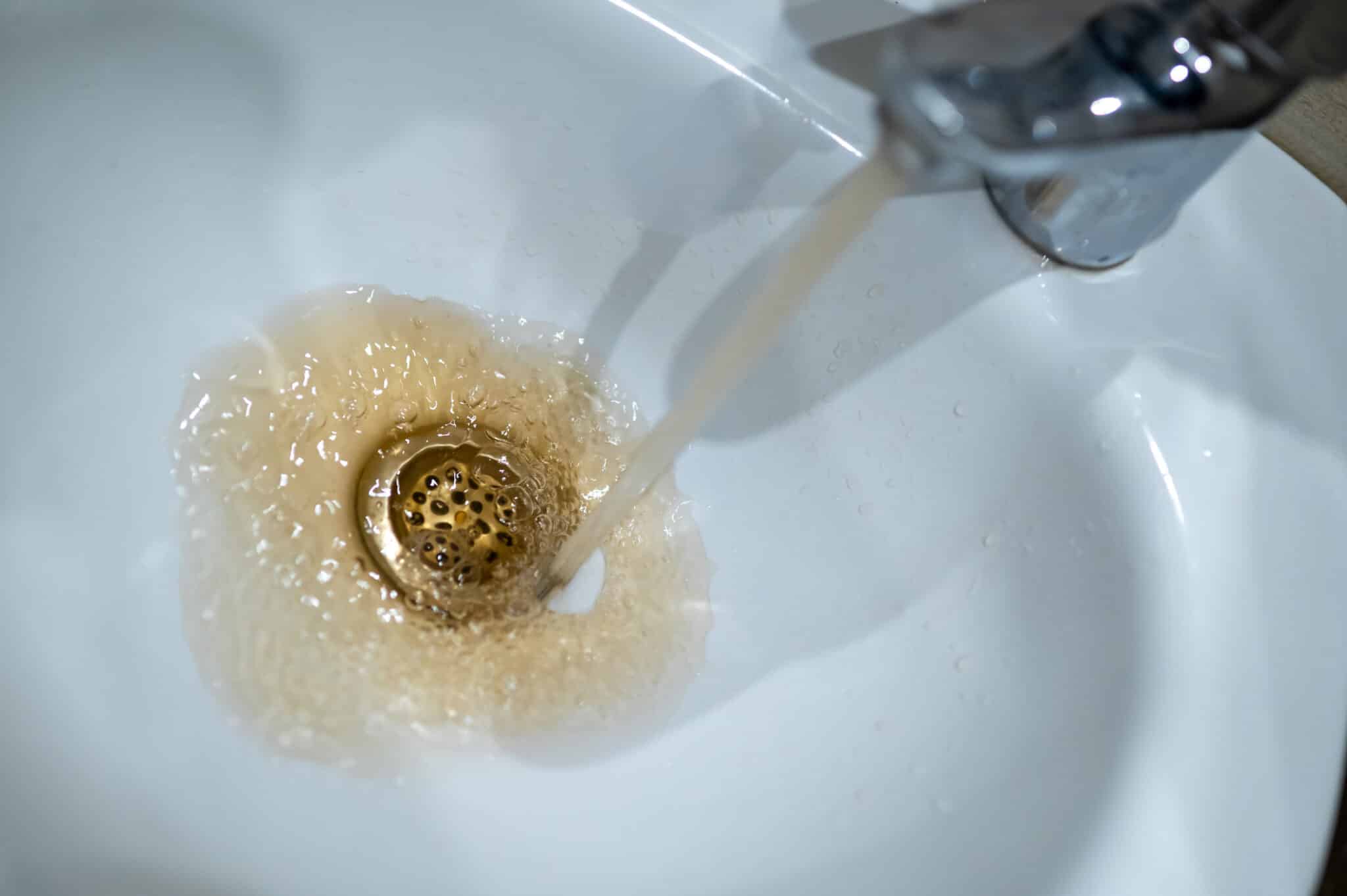
Several warning signs can indicate your water heater is nearing the end of its lifespan. One of the most common is inconsistent or lukewarm water, which suggests the heating element may be failing. Rusty water from your taps often points to corrosion inside the tank, a clear sign replacement is needed. Strange noises, such as rumbling or popping, can also signal sediment buildup and reduced efficiency.
Leaks around the base of the unit are another red flag that should not be ignored. Even small pools of water can quickly turn into larger problems, including property damage. If you notice moisture or water stains near your water heater, call a professional right away. Early detection can help avoid unexpected breakdowns and costly repairs.
Age is a major factor in water heater replacement decisions for homeowners in Taunton, MA. Most units last 8–12 years before performance drops or issues arise. If your system is nearing this age range, pay close attention to any changes. Regular maintenance can help, but old units often require more frequent repairs.
Rising energy bills are another sign your water heater may be losing efficiency. Older systems must work harder to provide hot water, using more energy in the process. If you live in Fall River, MA, and notice higher utility costs, your water heater could be the cause. Addressing these signs early helps ensure your home stays comfortable and safe.
When to Consider Water Heater Replacement
Deciding when to schedule a water heater replacement depends on several important factors. If your unit is over ten years old, it becomes more likely to develop issues or stop working altogether. Frequent repairs or ongoing leaks suggest that replacement is a smarter investment than continued fixes. Homeowners in Taunton, MA should consider these points when evaluating their system.
If your family’s hot water needs have changed, your current water heater may not be the right size anymore. An undersized unit can struggle to keep up, causing frustration and inconsistent temperatures. Upgrading during water heater replacement ensures your home always has enough hot water for daily activities. It also helps prevent unnecessary strain on the new system.
Energy efficiency is another reason to consider a timely upgrade. Newer models use less energy and provide better performance, which can lower monthly utility bills. If you live in Fall River, MA and notice rising costs, a water heater replacement could offer long-term savings. Modern units also include advanced safety features and improved insulation.
Local building codes and safety standards may require updates during replacement. Professional installation ensures compliance and helps avoid future problems or fines. Burke Plumbing & Heating is familiar with the regulations in Norton, MA and surrounding areas. Trusting experts with your water heater replacement gives you peace of mind and reliable hot water year-round.
Average Lifespan and Replacement Timelines
Most water heaters last between eight and twelve years, depending on usage and maintenance. After this period, performance often declines, and issues become more frequent. Homeowners in Fall River, MA should monitor their systems closely as they approach the ten-year mark. Planning ahead for water heater replacement helps avoid unexpected cold showers and emergency repairs.
Several factors influence how long a water heater will last in your home. Hard water, lack of regular maintenance, and heavy usage can shorten a unit’s lifespan. If you notice more frequent repairs or reduced efficiency, it may be time to consider water heater replacement. Acting before a complete failure ensures a smoother transition and less disruption.
Some signs of aging, like rust or leaks, often appear in the final years of a water heater’s life. Homeowners in Taunton, MA may notice these issues as their units reach the end of their service period. Scheduling a water heater replacement before major problems arise can save money and prevent water damage. Early replacement also allows you to explore new, energy-efficient options.
It is wise to consult a professional for an honest assessment of your current water heater. An expert can help determine if repair or replacement is the best choice for your situation. Proactive water heater replacement keeps your home comfortable and efficient throughout the year. With careful planning, you can avoid stress and unexpected expenses.
Water Heater Replacement: Cost Factors Explained
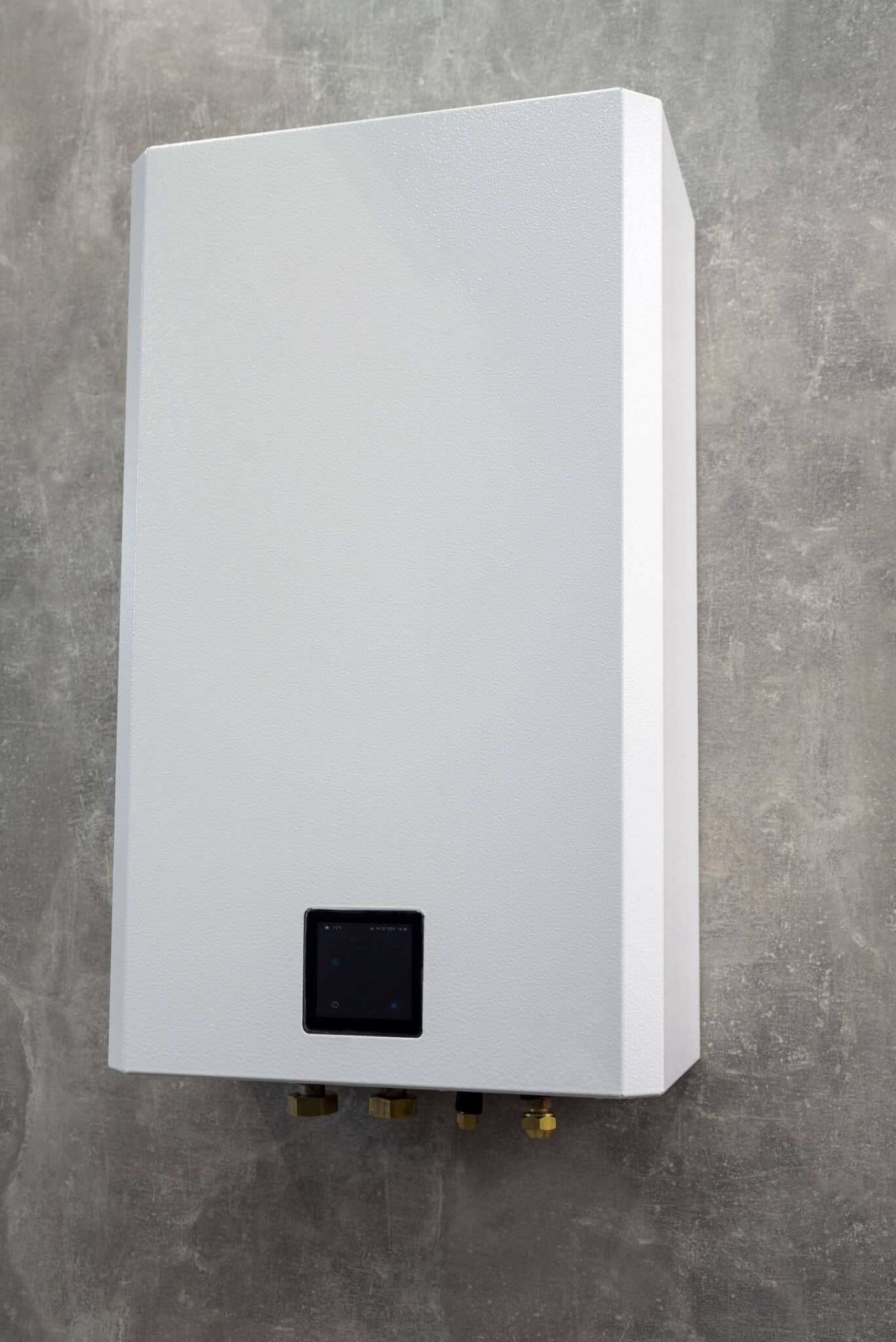
Several factors influence the overall cost of water heater replacement, and understanding them helps homeowners plan their budgets. The type of water heater, tank or tankless, plays a major role in total expenses. Fuel source, such as electric, gas, or propane, also affects both installation and long-term operating costs. Each option has unique benefits and price considerations.
Labor costs can vary depending on the complexity of the installation and local requirements. In Fall River, MA, older homes may need upgrades to plumbing or venting systems during water heater replacement. These additional tasks can increase the total price but ensure safety and code compliance. Working with experienced professionals helps avoid surprises during the process.
The size of the new water heater also impacts cost, as larger units typically require more materials and labor. Homeowners in Taunton, MA should consider their household’s hot water needs when selecting a replacement. Choosing the right size ensures efficient operation and consistent hot water. An expert can recommend the best fit for your family.
Efficiency upgrades are another important cost factor to consider during water heater replacement. High-efficiency models may have a higher upfront price but can lower energy bills over time. Some units qualify for rebates or incentives, further offsetting initial expenses. Investing in efficiency often pays off through long-term savings and improved home comfort.
Choosing the Right Size and Capacity
Selecting the right size water heater is crucial for a successful water heater replacement. An undersized unit can lead to frustrating shortages during peak usage times. Conversely, an oversized system wastes energy and increases utility costs. Finding the ideal capacity ensures comfort and efficiency for your household.
To determine the best fit, consider the number of people in your home and typical hot water usage. Larger families in Fall River, MA may require a bigger tank or a high-output tankless model. Smaller households can often meet their needs with a more compact unit. Consulting a professional helps match your lifestyle with the right water heater replacement.
Peak demand is another important factor during water heater replacement planning. Think about when your family uses the most hot water, such as mornings or evenings. In Taunton, MA, homes with multiple bathrooms or appliances may need a larger capacity. Proper sizing prevents running out of hot water and avoids unnecessary energy waste.
Modern water heaters are available in a range of sizes and technologies, including tank and tankless options. Each type offers different benefits for various household needs. A well-chosen water heater replacement provides reliable performance and supports long-term savings. Trusting an expert ensures your new system meets both current and future demands.
Fuel Types and Efficiency Options
When planning a water heater replacement, choosing the right fuel type is an important decision. Common options include natural gas, propane, electric, and sometimes oil. Each type offers different benefits for efficiency, availability, and household needs. Consulting with a professional can help you select the best fuel source for your home.
Natural gas and propane units often provide faster heating and lower operating costs than electric models. However, electric water heaters are easier to install and can be a good fit for homes without gas lines. In Fall River, MA, many homeowners choose gas or propane for their reliability during cold winters. Consider your current setup and future needs when making this choice.
Efficiency is another key factor in water heater replacement decisions. High-efficiency models use advanced technology to reduce energy waste and lower monthly bills. Some systems, like heat pump water heaters, offer significant savings over traditional units. Upgrading to a more efficient model can also reduce your home’s environmental impact.
Modern water heaters include features such as improved insulation, electronic controls, and smart monitoring. These upgrades help maintain consistent hot water while minimizing energy use. In Taunton, MA, energy-efficient water heater replacement options can qualify for local incentives or rebates. Investing in efficiency ensures long-term comfort and cost savings for your household.
Code Requirements and Permit Basics
Local building codes play a crucial role in any water heater replacement project. Homeowners must ensure their new system meets all safety standards and regulations. In Fall River, MA, permits are often required before installation can begin. Failing to comply can lead to fines or problems during inspections.
A licensed professional understands the specific permit process for your area. They handle paperwork, inspections, and ensure the water heater replacement meets all city requirements. In Taunton, MA, updated codes may require changes to venting, plumbing, or electrical connections. Proper documentation protects you and ensures your system operates safely.
Inspections are a standard part of the replacement process. After installation, an inspector will verify the work follows all applicable codes and safety guidelines. This step confirms your water heater replacement is safe and compliant with local laws. Passing inspection also helps maintain your home’s value and insurance coverage.
Homeowners should never attempt a water heater replacement without proper permits or knowledge of local codes. Mistakes can lead to safety hazards and costly repairs down the line. Working with an experienced team ensures every step is handled correctly. Peace of mind comes from knowing your installation is safe, legal, and built to last.
Disposal and Recycling of Old Water Heaters
After completing a water heater replacement, proper disposal of the old unit is essential for safety and environmental reasons. Many water heaters contain metal, insulation, and other materials that can be recycled rather than sent to a landfill. In Fall River, MA, local recycling centers often accept old water heaters, ensuring responsible handling and reduced waste. Always check with your municipality or a professional for the best disposal options.
Professional installers typically handle removal and disposal as part of the water heater replacement process. This service saves homeowners time and ensures compliance with local disposal regulations. In Taunton, MA, improper disposal can result in fines or environmental harm, so it’s important to follow approved guidelines. Trusting experts guarantees your old unit is managed in an eco-friendly manner.
Recycling old water heaters helps recover valuable materials like steel and copper, which can be reused in new products. Many facilities separate these components before processing, reducing the need for raw materials and lowering environmental impact. Some recycling centers may even offer small incentives for turning in your old unit. Responsible recycling is a simple step that benefits both your community and the planet.
If you choose to handle disposal yourself, always drain and disconnect the water heater safely before transport. Avoid leaving the unit on the curb unless your city allows bulk item pickup. Check with local waste management services to arrange proper collection or drop-off. Safe, legal disposal completes the water heater replacement process and keeps your home and neighborhood clean.
Frequently Asked Questions
What are common signs my water heater needs replacement?
Rusty water, strange noises, and frequent leaks often signal it is time for water heater replacement in your home. Inconsistent hot water or a sudden lack of heat also indicate a failing unit. Aging water heaters, especially those over ten years old, are more likely to need replacement soon. If you notice these issues, consider scheduling a professional inspection to discuss water heater replacement options.
How long does a typical water heater last before replacement?
Most water heaters last between eight and twelve years before water heater replacement becomes necessary. Factors like maintenance, water quality, and usage can impact their lifespan. Regular inspections help identify issues early and extend the unit’s service life. When your water heater nears a decade old, begin planning for water heater replacement to avoid unexpected breakdowns.
What factors affect water heater replacement cost?
Several factors influence water heater replacement cost, including the unit’s size, fuel type, and installation complexity. Upgrading to a more energy-efficient model or switching fuel sources can increase the overall expense. Permit requirements and local building codes may also affect the final price. Proper disposal of the old unit often adds a small fee to your water heater replacement project.
When should I consider water heater replacement over repair?
If your water heater needs frequent repairs or shows signs of corrosion, water heater replacement is usually the best choice. Rising energy bills and ongoing leaks suggest the unit is no longer efficient or reliable. When repair costs approach half the price of a new system, replacement becomes more cost-effective. Choosing water heater replacement ensures long-term comfort and peace of mind for your Norton, MA home.
Does water heater replacement improve energy efficiency?
Water heater replacement often leads to better energy efficiency, especially when upgrading from an older or outdated unit. Newer models use advanced technology that heats water faster and reduces energy waste. This improvement can lower your monthly utility bills and provide more consistent hot water. By investing in water heater replacement, Norton, MA homeowners enjoy both comfort and long-term savings.