






When your heating or cooling system acts up, it can feel overwhelming. HVAC troubleshooting helps homeowners in Norton, MA, take the first step toward solutions. Knowing what to check saves time and prevents unnecessary stress. A few simple checks often reveal the source of common problems.
Many HVAC issues have easy fixes that don’t require professional tools or experience. Learning basic HVAC troubleshooting empowers you to spot issues before they become costly. These steps are safe and designed for homeowners, not technicians. You’ll feel more confident managing your home’s comfort.
If you live in Taunton, MA, understanding your system’s basic functions is a smart move. Regular checks can extend your system’s life and improve efficiency. Simple awareness can also help you communicate better with service professionals. Prevention and early detection often make a big difference.
This guide will walk you through practical, step-by-step HVAC troubleshooting methods. Each tip is designed to be safe and straightforward. By following these steps, you can quickly identify common HVAC problems. Let’s get started and keep your home comfortable year-round.
Why Basic HVAC Troubleshooting Matters
Basic HVAC troubleshooting can save homeowners time and money when problems arise. Many issues, like uneven heating or cooling, have simple causes you can check. Catching these early helps prevent larger breakdowns and keeps your system running smoothly. Residents in Norton, MA, often find that regular checks make a noticeable difference.
Learning HVAC troubleshooting gives you more control over your home’s comfort. It allows you to address minor problems before they turn into emergencies. This proactive approach reduces the chances of unexpected repairs disrupting your daily life. A few minutes of attention now can prevent hours of discomfort later.
Safety is a key reason to perform basic HVAC troubleshooting yourself. By checking your system, you can spot potential hazards like clogged filters or blocked vents. These small issues can impact air quality and system performance. Addressing them early helps keep your family safe and healthy.
Understanding the basics also helps you communicate clearly with professionals if you need help. When you describe what you’ve checked, technicians can diagnose issues faster. Homeowners in Taunton, MA, appreciate how this knowledge streamlines service calls. Being informed puts you in control and ensures your HVAC system gets the care it needs.
Safety First: Precautions Before You Start
Before beginning any HVAC troubleshooting, always put safety first. Start by turning off power to your heating or cooling system at the breaker. This simple step protects you from electrical hazards while inspecting or cleaning components. Safety gloves and eye protection add another layer of precaution during your checks.
Make sure your work area is dry and well-lit before you proceed. Wet floors or poor lighting can increase the risk of slips and accidents. Keep children and pets away from the area while you work. This helps prevent distractions and keeps everyone safe during HVAC troubleshooting.
Never attempt to open sealed or gas components on your own. If you smell gas or notice burning odors, leave the area immediately and call a professional. Some issues require special tools or training to handle safely. Homeowners in Norton, MA, should always err on the side of caution with unfamiliar problems.
Before touching any part of your system, read the manufacturer’s manual for specific instructions. Manuals often include safety warnings and diagrams for reference. This extra step can prevent mistakes and protect your equipment. Residents in Taunton, MA, find that a careful approach makes HVAC troubleshooting both effective and safe.
Understanding Your HVAC System Components
To begin effective HVAC troubleshooting, it helps to know the main parts of your system. Most systems include a thermostat, air filter, blower, and outdoor unit. The thermostat controls temperature settings and signals the system to start or stop. Understanding these basics makes it easier to spot issues when something seems off.
The air filter is a simple but important component. Clogged filters can cause poor airflow and strain your system. Checking and replacing filters regularly is a key HVAC troubleshooting step. Clean filters keep the air fresh and help your system run efficiently.
The blower moves air through your home and works with both heating and cooling. If you notice weak airflow, the blower might be the cause. Listen for unusual noises or vibrations during operation. These signs can help you catch small problems early and avoid larger repairs.
Outdoor units handle heat exchange for both air conditioners and heat pumps. Clear away leaves, dirt, and debris to keep the unit working well. During HVAC troubleshooting, check that nothing blocks airflow around the unit. This simple habit supports system performance for homeowners in Norton, MA, and Taunton, MA.
Step 1: Checking the Thermostat Settings
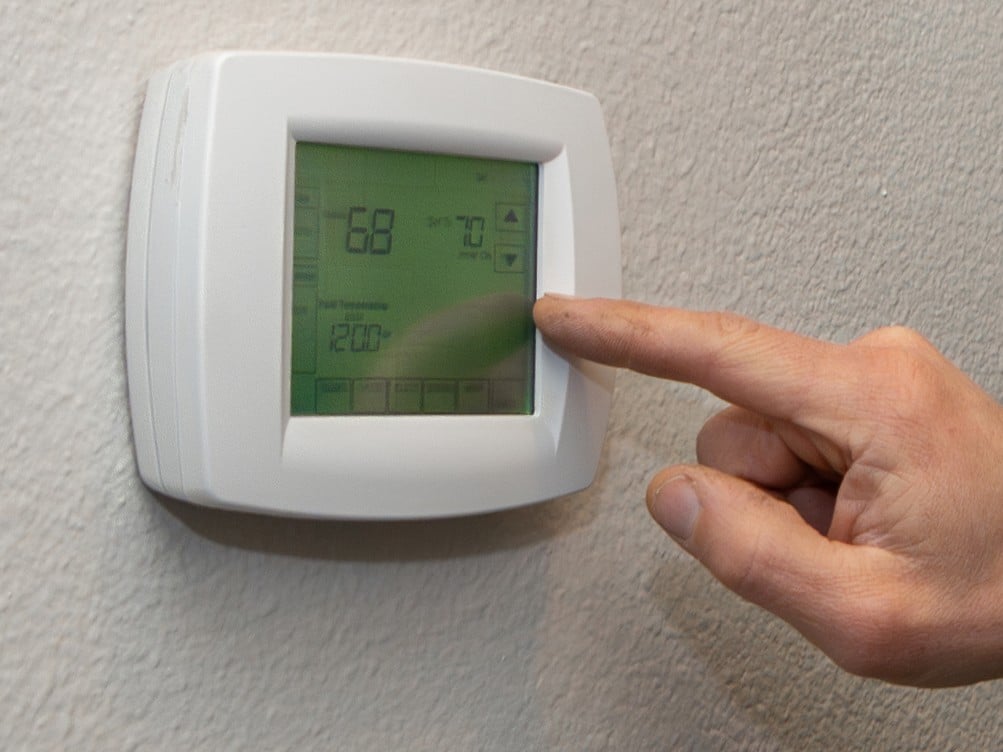
The first step in HVAC troubleshooting is to check your thermostat settings. Make sure the thermostat is set to the correct mode, heating or cooling, depending on your needs. Sometimes, a simple adjustment can resolve issues without further steps. Verify that the temperature setting is above or below the current room temperature to activate the system.
If your system is not responding, check that the thermostat has power. Some thermostats use batteries, so replace them if the display is blank or fading. For wired models, ensure the circuit breaker has not tripped. Homeowners in Norton, MA, often find that restoring power to the thermostat solves many common problems.
Next, confirm that the thermostat’s fan setting matches your preference. Select “auto” for normal operation or “on” to run the fan continuously. If the fan does not start, this may indicate a deeper issue with the system. HVAC troubleshooting at this stage can help you decide if professional help is needed.
Finally, check for error codes or unusual messages on digital thermostats. These alerts can point to specific issues that need attention. Keep a record of any error messages to share with a technician if needed. Residents in Taunton, MA, benefit from this simple step, making HVAC troubleshooting more effective and efficient.
Step 2: Inspecting Air Filters and Vents
After checking your thermostat, the next step in HVAC troubleshooting is to inspect your air filters and vents. Dirty or clogged filters restrict airflow and force your system to work harder than necessary. Begin by locating the air filter, usually found near the return air duct or blower compartment. Remove the filter and hold it up to a light source to check for dust buildup.
If the filter looks dirty or gray, replace it with a new one that matches the recommended size and type. Regular filter changes are a simple way to improve air quality and system efficiency. Homeowners in Norton, MA, often notice better airflow and fewer problems after changing filters regularly. This basic HVAC troubleshooting step helps prevent bigger issues down the line.
Next, check all supply and return vents throughout your home for blockages or obstructions. Furniture, rugs, or curtains can block vents and reduce system performance. Make sure each vent is open and free from dust or debris. Cleaning vents with a vacuum or cloth supports even airflow and keeps your HVAC system running smoothly.
If you still notice poor airflow or uneven temperatures, inspect the vents for signs of mold or moisture. These issues can signal a larger problem within your ductwork or system. Residents in Taunton, MA, should address these concerns quickly during HVAC troubleshooting. Prompt attention keeps your home comfortable and your system in top condition.
Step 3: HVAC Troubleshooting for Power Issues
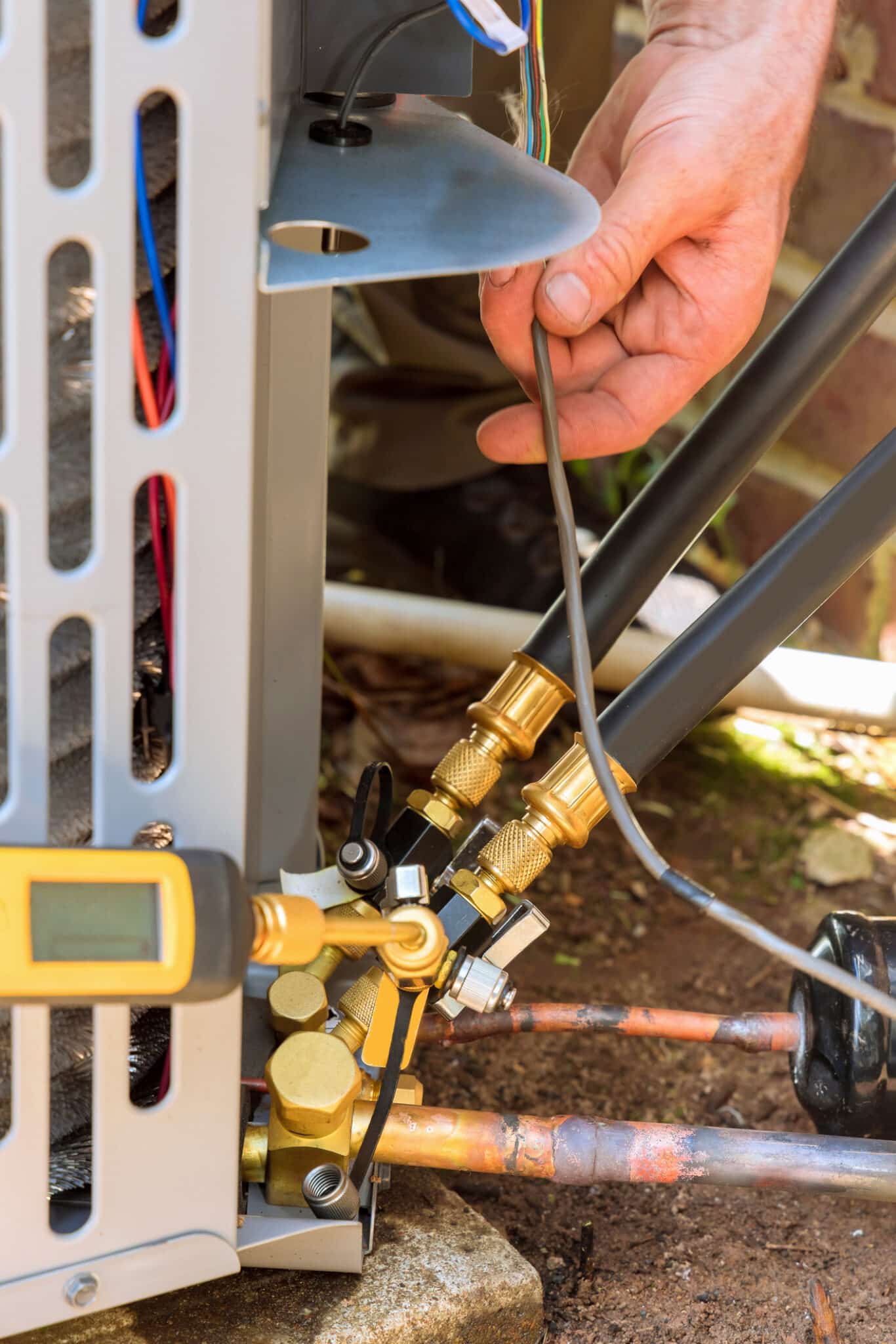
If your HVAC system still won’t turn on, it’s time to check for power issues. Begin by making sure the main circuit breaker for your heating or cooling unit is in the “on” position. Sometimes, a tripped breaker is the simple reason behind a non-responsive system. Reset the breaker if needed, then see if your system starts working again.
Next, inspect any switches near your indoor or outdoor unit. Many systems have a dedicated power switch that can get turned off by accident. Confirm that these switches are set to “on” before moving to other HVAC troubleshooting steps. This quick check can often restore power and save you a service call.
If your system still does not respond, examine any visible wiring for signs of damage or loose connections. Damaged wires or connections can prevent your HVAC unit from powering up safely. Do not attempt repairs yourself, note what you see and contact a professional for help. Homeowners in Norton, MA, should always prioritize safety when dealing with electrical issues.
Finally, listen for unusual sounds or silence from your system after restoring power. A humming noise may indicate the unit is receiving power but not running properly. If you hear nothing at all, there may be a deeper electrical problem. Residents in Taunton, MA, benefit from this careful HVAC troubleshooting approach, helping to pinpoint issues before calling for expert service.
Step 4: HVAC Troubleshooting for Airflow Problems
Airflow issues are a common reason for uneven temperatures or weak performance in HVAC systems. Begin HVAC troubleshooting by checking all vents and registers in your home to ensure they are fully open and unobstructed. Move furniture, curtains, or other items away from vents to allow air to circulate freely. Blocked vents can make your system work harder and reduce comfort.
Next, inspect your air ducts for visible leaks, gaps, or disconnected sections. Leaky ducts can let conditioned air escape before it reaches your living spaces. Use a flashlight to check accessible ductwork, especially in basements or attics. If you find any major gaps or damage, note their location for a professional to repair.
Another HVAC troubleshooting step is to listen for unusual sounds, such as whistling or rattling, coming from your ducts or vents. These noises may signal airflow restrictions or loose duct connections. Addressing these issues early helps prevent bigger problems and keeps your system running efficiently. Homeowners in Norton, MA, often notice improved comfort after resolving airflow concerns.
Lastly, check your blower fan for dust buildup or signs of wear. A dirty or malfunctioning blower can reduce airflow throughout your home. If you feel little air coming from vents, the fan may need cleaning or service. Residents in Taunton, MA, benefit from regular HVAC troubleshooting to maintain steady airflow and a comfortable home environment.
When to Call a Professional for HVAC Troubleshooting
Sometimes, basic HVAC troubleshooting steps are not enough to solve the problem. If your system still fails to heat or cool after these checks, it’s time to call a professional. Strange noises, persistent odors, or frequent cycling can signal deeper issues. Attempting complex repairs without proper training can risk damage or safety hazards.
Unusual smells like burning or gas odors require immediate attention from a licensed technician. These signs may point to electrical faults or gas leaks that need expert handling. If resetting breakers or replacing filters does not restore function, professional help ensures the problem is fixed safely. Residents in Norton, MA, should never ignore persistent warning signs.
Consistent water leaks around your HVAC unit also warrant a service call. Leaks may indicate blocked drains, frozen coils, or refrigerant issues that need specialized tools to repair. If you notice moisture or rust near your system, avoid using it until a technician inspects the cause. Professional HVAC troubleshooting can prevent water damage and restore your system’s reliability.
If you feel unsure about any step or notice unfamiliar components, don’t hesitate to seek help. Technicians have the experience and equipment to diagnose complex problems quickly. Homeowners in Taunton, MA, benefit from timely service that keeps systems running efficiently. Trusting an expert for advanced HVAC troubleshooting protects your home and peace of mind.
Frequently Asked Questions
What are common signs my HVAC system needs troubleshooting?
Unusual noises, weak airflow, or inconsistent temperatures often signal the need for HVAC troubleshooting in your home. Rising energy bills without increased usage may also point to system issues. If you notice musty odors or frequent cycling, prompt attention can prevent bigger problems. Regular HVAC troubleshooting helps keep your system running efficiently and extends its lifespan.
How can I perform basic HVAC troubleshooting at home?
Start by checking your thermostat settings and replacing the batteries if needed, as this can resolve simple HVAC troubleshooting issues. Next, inspect air filters for dirt or clogs, since clean filters help maintain proper airflow and efficiency. Examine circuit breakers and power switches to ensure the system receives electricity, addressing many common HVAC troubleshooting concerns. Finally, clear debris from around outdoor units to support airflow and prevent blockages, helping your system run smoothly.
Why is my HVAC system not cooling or heating properly?
Improper cooling or heating often results from clogged air filters, low refrigerant, or thermostat issues that need HVAC troubleshooting. Blocked vents or dirty coils can also reduce system efficiency and affect indoor comfort throughout your Norton, MA home. Regular HVAC troubleshooting helps identify these problems early, preventing more expensive repairs down the line. If these simple checks do not fix the issue, a professional technician can provide a thorough inspection and solution.
When should I call a professional for HVAC issues?
If basic HVAC troubleshooting steps do not resolve the issue, it is time to contact a professional technician for help. Persistent problems like unusual noises, frequent cycling, or uneven temperatures require expert attention to prevent further damage. Attempting complex HVAC troubleshooting without proper training can risk safety and system performance. Trust a licensed professional in Norton, MA to ensure your HVAC system receives the best care possible.
What tools do I need for simple HVAC troubleshooting?
For simple HVAC troubleshooting, keep a flashlight, screwdriver, and fresh air filters handy for quick checks and replacements. A digital thermometer helps you monitor temperature differences and spot potential issues with your system’s performance. Gloves protect your hands while inspecting vents or outdoor units around your Norton, MA home. With these basic tools, you can safely complete most initial HVAC troubleshooting steps before calling a professional.